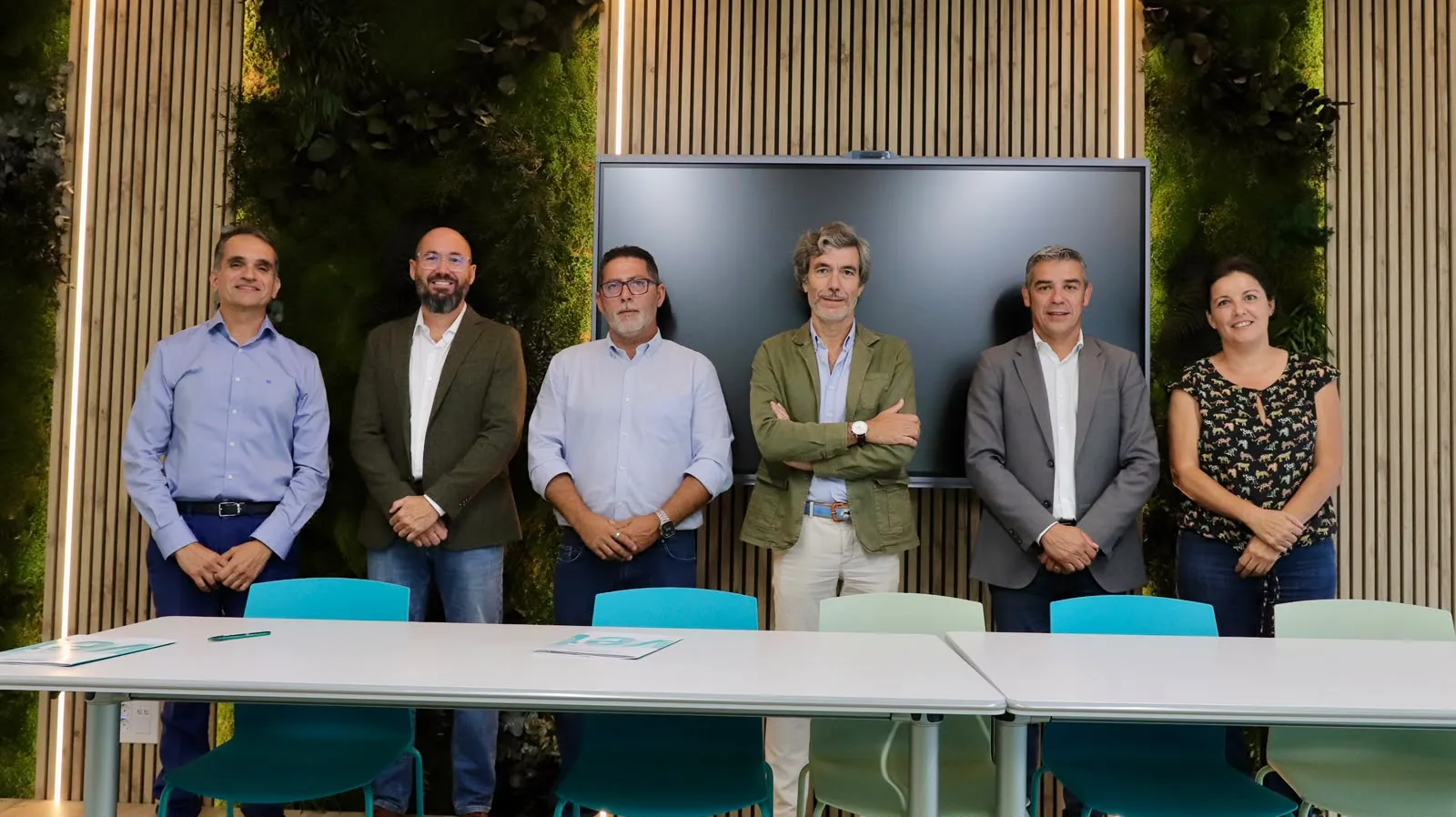
The Minister of Agriculture, Livestock, Fisheries, and Food Sovereignty of the Government of the Canary Islands, Narvay Quintero, met with the board of directors of the Official College of Veterinary Profession of Las Palmas, led by its president, Pablo Javier Varona Cabrera. This meeting served to strengthen the collaboration between the Canarian Executive and the professional corporation.
Narvay Quintero highlighted the importance of maintaining a "close and fluid collaboration" with the College, recognizing its "trajectory, knowledge, and experience" as fundamental for progress in key areas such as animal health and welfare, public health, and food safety in the islands.
During the meeting, the Director General of Livestock, Andrés Díaz Matoso; the College's Manager, Francisco Rodríguez Castro; and the board member for Fuerteventura, María Ángeles Marichal, were also present.
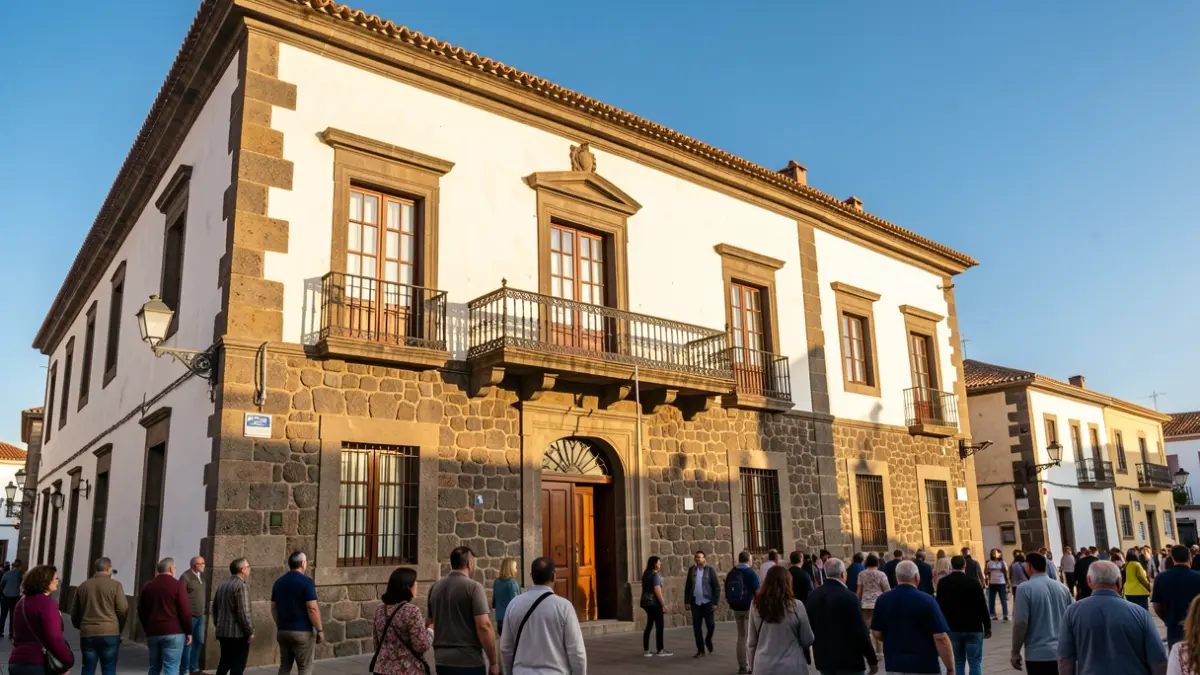
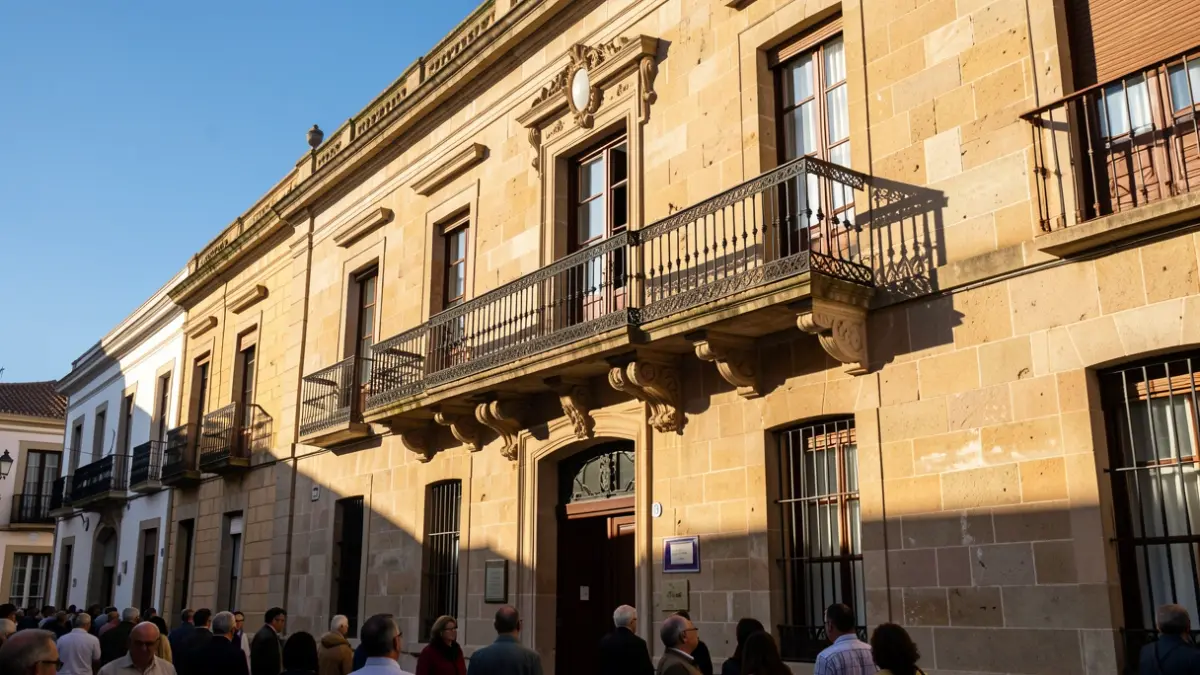
The Illustrious Official College of Veterinary Profession of Las Palmas, founded in 1945, is responsible for regulating professional practice and enhancing the technical and scientific expertise of its 1,167 members. It actively collaborates in public health, the environment, animal welfare, and consumer protection. Its new headquarters were inaugurated in March on Carvajal street in Las Palmas de Gran Canaria.
The current board of directors, since December 22, 2025, consists of Pablo Javier Varona Cabrera (president and of the Regional Council of Official Colleges of Veterinarians of the Canary Islands), Sergio Martín Martel (secretary), and as members: Clara Isabel Padilla Santana, Yeray Alejandro Macías León, Natacha Suárez Rodríguez, Sara Pérez Alberto, María Ángeles Marichal Noda, and Samuel Rodríguez Medina.
The service contract, with a budget of €38,146.57 distributed over 2026, 2027, and 2028, will enable the Directorate General of Livestock and the College to manage the registration and data updates for breeding and income equines, registered equines, and camelids in the RIIA through the ZOOCAN database.
This digital tool, managed by the Official Colleges of Veterinary Profession, centralizes and updates information on the census, identification, and location of these species in the Canary Islands, facilitating the work of registered professionals.
The College will handle the processing of animal and owner identification, allowing registered veterinarians to perform microchip implants, changes of ownership and data, health and zootechnical updates, and notification of deaths.
According to Quintero, this agreement will enhance animal traceability and provide precise information for planning animal health policies. "The correct identification of animals and having up-to-date information on their number and location are essential elements for developing adequate animal health measures," he explained. The inclusion of camelids in this database will strengthen their health control, facilitating preventive measures and a rapid response to disease outbreaks.
ZOOCAN will also facilitate interoperability with the Ministry's systems, allowing for periodic data uploads to the RIIA. For registered equines, the system will incorporate data from equine identification document issuing bodies, further reinforcing traceability and health control of animals in the Canary Islands.