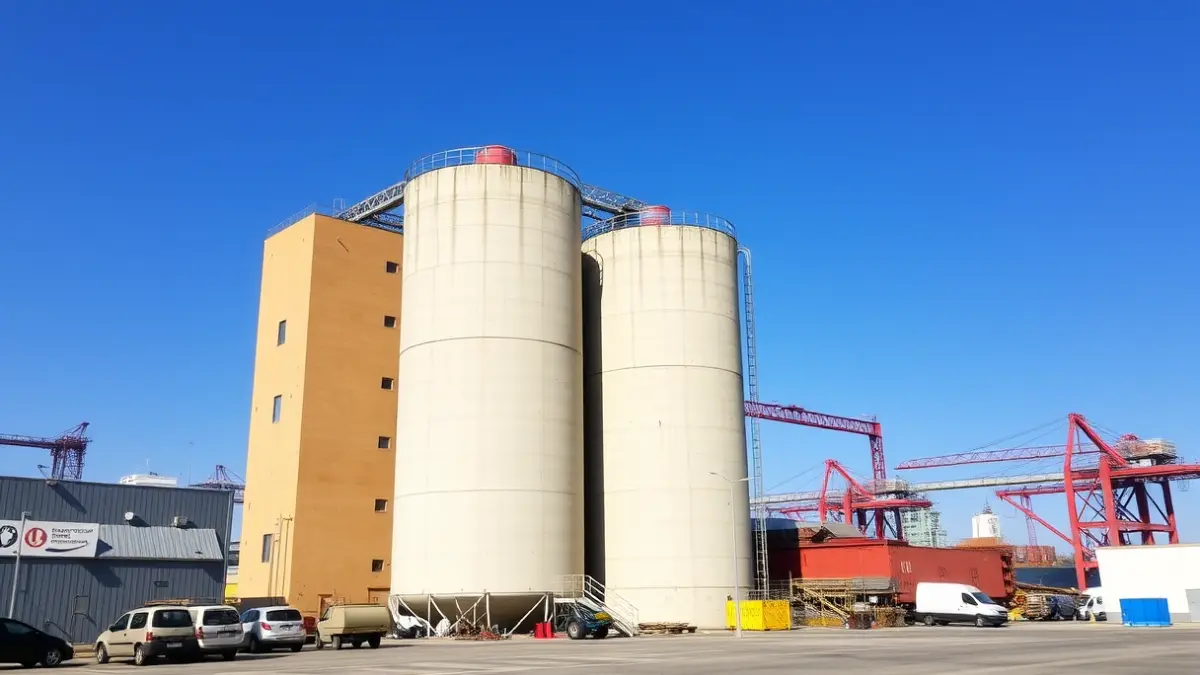
This decision was made during an extraordinary meeting of the Board of Directors, where it was also agreed to commission a heritage valuation study of the property. Additionally, a one-month period has been granted to administrations interested in its preservation to conduct a similar assessment.
“"There is surprise at the media debate generated, especially since several administrations that now show interest in preserving it, at the time voted in favor of the demolition file."
The head of the Ports of Santa Cruz de Tenerife reminded that the Board of Directors includes representatives from provincial councils, city councils, the Government of the Canary Islands, and other state entities. He also noted that the property has been disused for 35 years, lacks heritage protection, and is located in an exclusively industrial port area, surrounded by a chemical company, fuel depots, and a cement crusher.
The demolition was proposed due to the need for space in the East Dock, an area “constrained” by the reorganization of port traffic to avoid disturbing residents with nighttime discharges. The Port Authority believes that the current “sweet spot” for container traffic and ship repair requires more space.
On September 29, 2025, the Board of Directors unanimously agreed to tender the demolition. However, following media debate and a letter from the Ministry of Culture announcing its intention to initiate proceedings to declare the silo an Asset of Cultural Interest, the tender has been halted “for reasons of legal prudence.”
“"There is no official or private request to give the building a use. The administrations that now defend its preservation, and are part of the port body, should have been consistent and supported its proposal at the time."
It has been warned that the building shows significant internal deterioration, according to a report from the Labor Risk Inspection. Furthermore, the competence of the Ministry of Culture in this decision has been questioned, as historical heritage falls under the jurisdiction of autonomous communities. The future of the building, if declared an Asset of Cultural Interest, would be subject to the state law on Historical Heritage, although its use would remain industrial, making its conversion into a museum or tourist center difficult due to the proximity of a chemical factory.