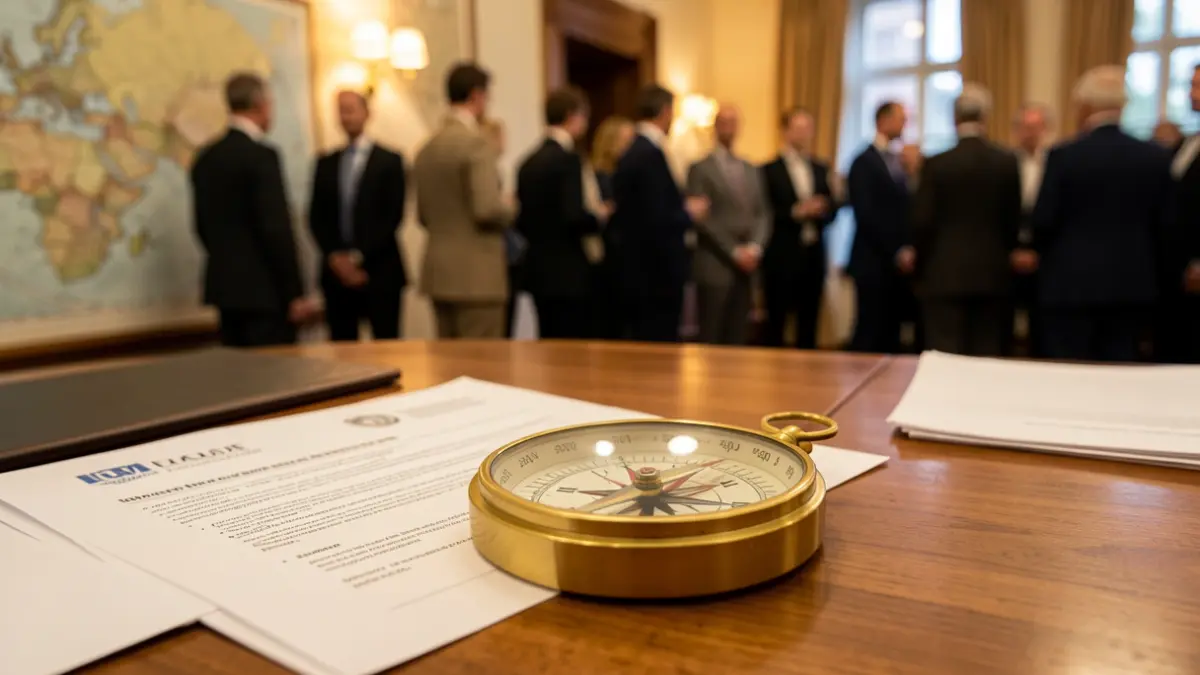
This first phase has allowed for the collection of perspectives from residents, workers, students, and various groups who carry out their daily activities in the historic city. Through open sessions and tours of the old town, the council has gathered contributions from neighbors, associations, cultural entities, professionals, economic operators, and public institutions.
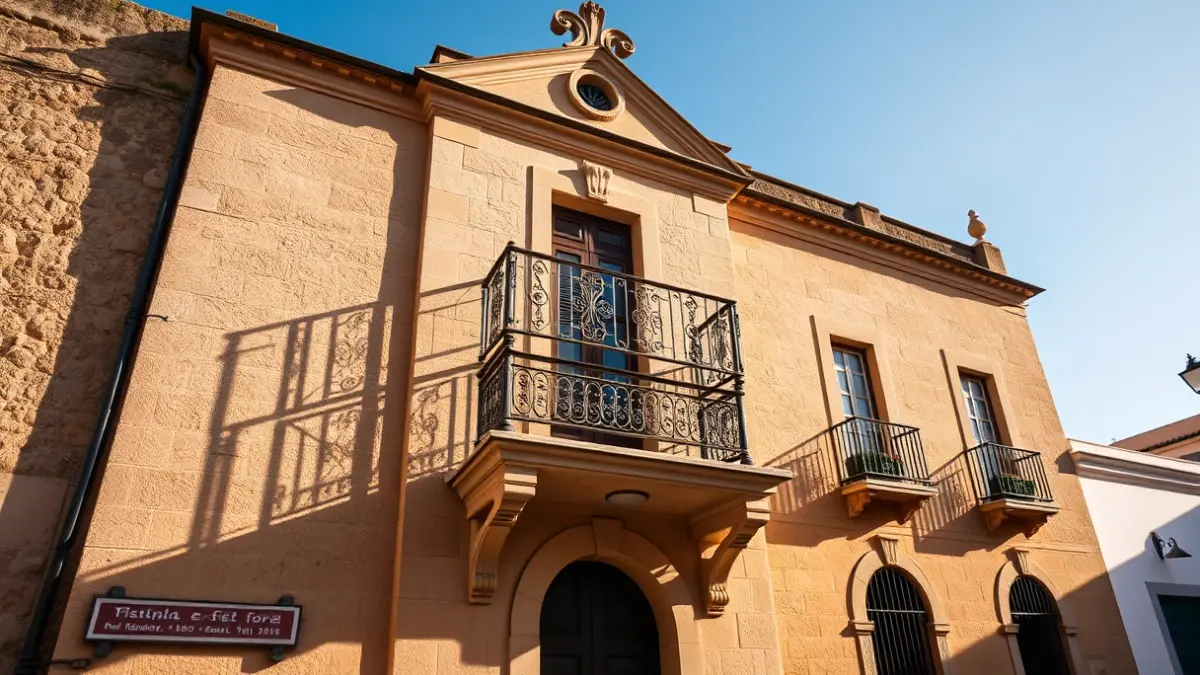
The result is an initial diagnosis addressing the main challenges of La Laguna as a living city and, at the same time, as the only urban complex in the Canary Islands recognized on the UNESCO World Heritage list. The international organization describes San Cristóbal de La Laguna as a city with two nuclei: the Upper City, with an unplanned structure, and the Lower City, considered the first ideal “city-territory” designed according to philosophical principles.
Key themes identified in this initial phase include mobility, the coexistence of pedestrians and motorized traffic, the evolution of local commerce, the use of public space, tourist pressure, and the need to maintain the city's identity.
“"This first phase has been essential to freely and pluralistically listen to how the city is experienced and what it needs to remain a living, active place with its own identity."
The Management Plan will complement the Special Protection Plan (PEP) and will serve as a roadmap to coordinate heritage conservation with daily city life. The document, awarded in March, will be structured into four specific plans: a strategic and operational plan, a mobility and free space design plan, a lighting plan, and a participation and communication plan.
The participatory process will continue with new stages, and the City Council will publicly present the results of this first phase before moving on to Phase 2, which will focus on proposals and pilot interventions. This plan is a requirement of UNESCO for World Heritage Cities, seeking comprehensive management that understands heritage as a living urban ecosystem and not just a collection of buildings.