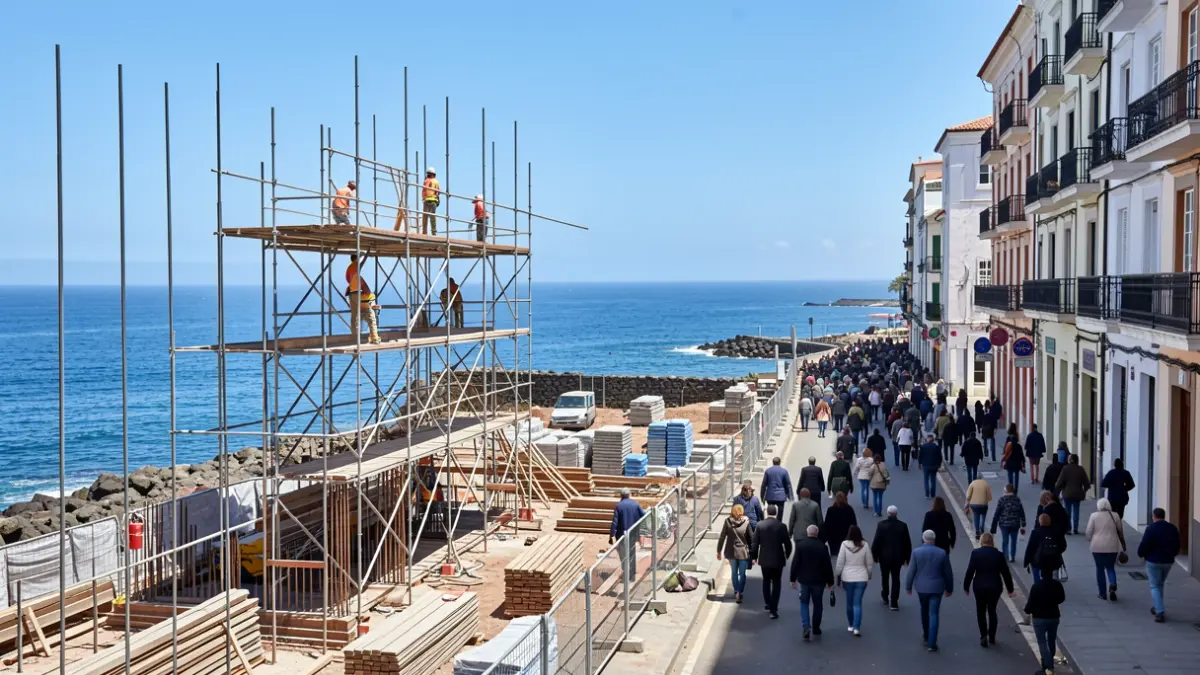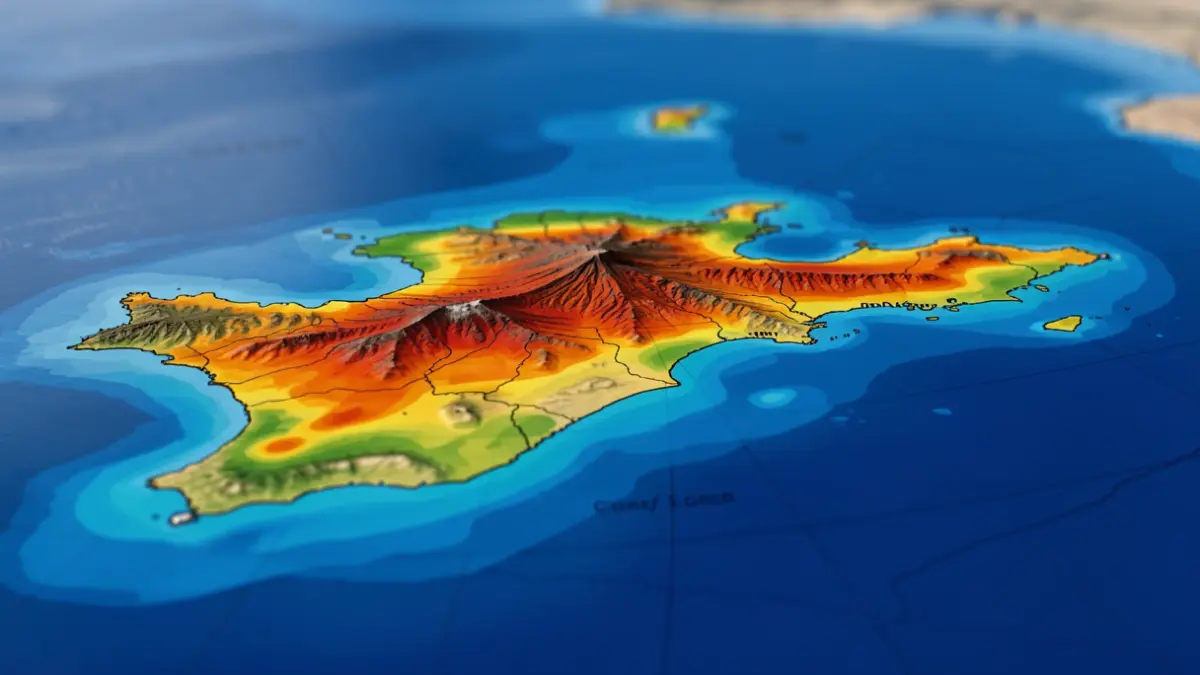
The political group, through its spokesperson, will ask the president of the Canary Islands Government to evaluate the impact of the Fdcan after its re-edition and its capacity to address the current challenges of the islands. It will be highlighted that this instrument has mobilized approximately 2.6 billion euros in public investment, generating an estimated impact of 4.5 billion and creating around 47,000 jobs, underscoring its relevance in economic development and infrastructure execution.
Emphasis will be placed on the Fdcan's contribution in island areas such as La Gomera, where nearly 200 projects have been carried out with an investment exceeding 85 million euros, consolidating it as a fundamental tool for territorial cohesion. However, it will be argued that the current context demands an evolution of the fund, directing its resources towards emerging priorities such as access to housing, strengthening socio-health infrastructures, and improving territorial planning.
“"The challenge is no longer merely to maintain an instrument that has proven its usefulness, but to optimize its impact by adapting it to a more demanding and complex reality."
Secondly, the spokesperson will question the Minister of Universities, Science, Innovation and Culture to learn about the progress in implementing energy communities, focusing on the role of innovation and knowledge transfer. This debate will be contextualized within the structural vulnerability of the Canary Islands' energy system, marked by external dependence and high costs, advocating for self-consumption and renewable energies as an indispensable strategic line.
The steps taken so far will be valued, with more than thirty projects promoted and a aid line that has exceeded two million euros, expanded due to high demand. Nevertheless, it will be warned that the main challenge lies in ensuring these projects materialize and generate real effects for citizens, emphasizing that progress must be measured by its ability to translate into effective self-consumption, cost reduction, and social participation.
The regional department's significant responsibility in this process will be highlighted, as it is key to knowledge generation, connection between stakeholders, and the development of technical capacities to consolidate this model. As an example, initiatives underway in La Gomera will be mentioned, where energy community projects linked to island sustainability strategies are being promoted, demonstrating the viability of this approach in non-capital territories. The need to extend these experiences to the entire Archipelago will be stressed, reducing territorial gaps and ensuring that all islands can benefit from the energy transition.
“"Energy communities are not only a technological tool, but also an instrument of cohesion and equal opportunities among territories."
Both issues, the evolution of the Fdcan and the effective deployment of energy communities, are considered part of a unified strategy to strengthen economic resilience, advance sustainability, and ensure balanced development across all islands.