The scorching sun of Arguineguín in November 2020 is evoked as an echo of the present. That day, a small boat arrived at Pozo Izquierdo (Gran Canaria) with 21 people. After being transferred to the dock, the survivors, many barefoot and with soaked clothes, were lined up before accessing the reception tents.
Shortly after, Lanzarote received Mbarka and her son Omar, a child with cerebral palsy seeking medical attention in Europe. That same night, residents of Órzola plunged into the sea in the dark to rescue the occupants of another vessel approaching the island.
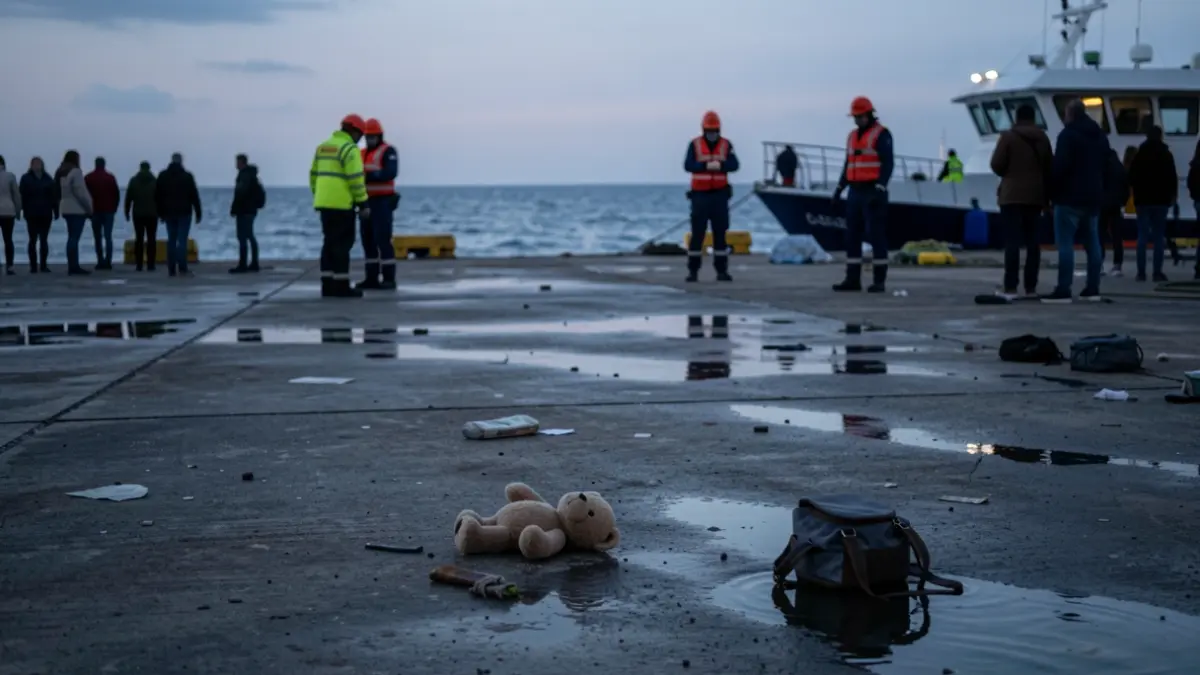
Five years later, on El Hierro, the scene repeated in La Restinga. Dozens of people threw themselves into the water when a cayuco capsized near the pier. The image of a teddy bear and floating backpacks became a symbol of the tragedy, particularly cruel to migrant children.
The melody 'La Nube de hielo' by Benito Cabrera, performed during the visit of Pope Leo XIV, resonated in Arguineguín as a call to memory. The music, preceding a minute of silence, brought back the screams and cries associated with death in the Atlantic, as recalled by Tito Villarmea, captain of the Guardamar Urania, who has saved thousands of lives but also witnessed the ocean's lethality.
Six years ago, in Arguineguín, the lack of resources and the detention of thousands of people under police custody for weeks marked a somber memory. Society observed, divided between empathy and the 'hatred' some expressed towards migrants, whom they attempted to criminalize.
The papal visit has served as a mirror for Canarian society. In Tenerife, aid to those who spent freezing nights outside Las Raíces was remembered. On El Hierro, thoughts turned to the nameless bodies buried in their cemeteries. Órzola relived the lives saved and those lost. Mbarka assessed the risks overcome for her son's health, while Aissatou's mother mourned the loss of her four-year-old daughter taken by the borders.
However, for others, the mirror only reflected hatred. They recalled the use of hoaxes to incite xenophobia, the persecution of young people, the linking of immigration with crime, accusations of spreading coronavirus across the islands, requests to prevent Salvamento Marítimo from docking, the rejection of the dead in cemeteries, and complaints about migrant minors sharing classrooms with their children.
Pope Leo XIV reminded from the Canary Islands that humanity has no passport and that Europe cannot become accustomed to the Atlantic being a cemetery. While higher walls are erected, in the islands of memory, they will continue to look into the eyes of those who cross the sea, even if they arrive barefoot.