This urgent measure aims to prevent the paralysis of toxic material removal works in the archipelago. The decision comes after a large Andalusian landfill, the main destination for Canarian asbestos, closed its doors following the transposition of a European directive requiring each territory to manage its own waste.
The situation threatened to halt the activity of the four companies responsible for asbestos collection in the islands, which would have negatively impacted the construction sector and decarbonization projects, such as the installation of photovoltaic panels. An alternative, albeit limited, route has opened with a treatment plant in the province of Toledo, which accepts significantly smaller volumes.
“"The problem is that the massive shipments it accepted and the proximity offered by the southernmost regions are unrivaled."
The Directorate General for Environmental Quality has urged companies to seek other landfills outside Andalusia and has expressed willingness to study potential transport aid to mitigate additional costs. It is estimated that there are around nine plants capable of treating this waste on the peninsula.
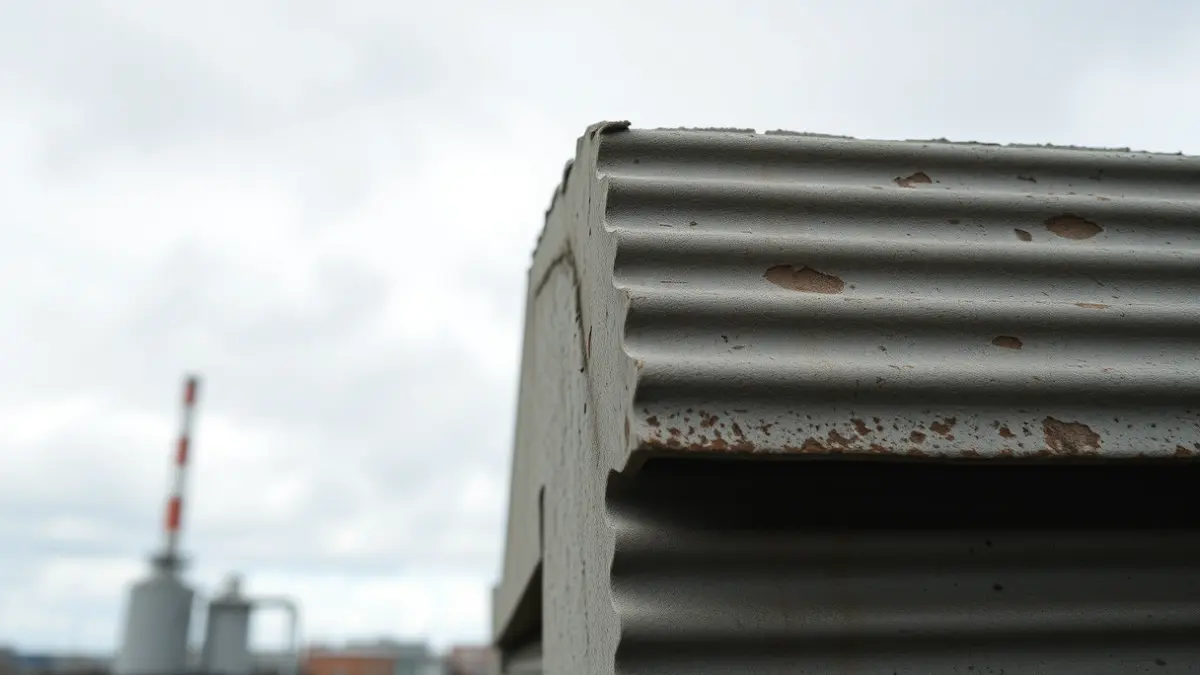
Asbestos, dangerous when broken and releasing fibers that can cause cancer, is harmless as long as it remains intact or encapsulated. The definitive long-term solution involves creating a comprehensive inventory of asbestos in the islands, a task for local councils, and identifying locations for a local treatment plant. Technologies such as vitrification are currently being explored, although they are not yet mature for commercialization.