The recent intervention by the Civil Guard in Santa Cruz de Tenerife has highlighted the growing presence of cannabis rosin in the illegal market. This discovery occurred during Operation Hermit, which dismantled a facility dedicated to intensive cultivation and processing of cannabis derivatives.
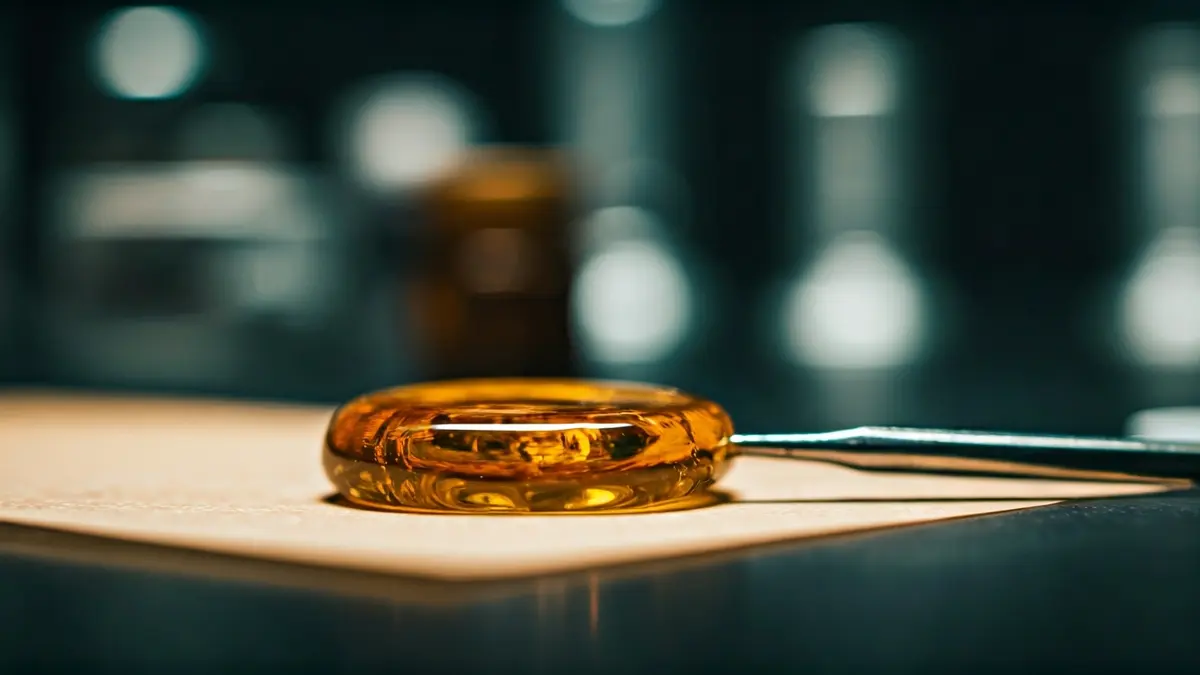
Cannabis rosin is a concentrate obtained by applying heat and pressure to marijuana buds or hashish. Unlike other derivatives, it does not use chemical solvents, which has created a false perception of it being a safer product. However, this apparent purity is one of its greatest dangers, as the result is a resin with an extremely high concentration of Tetrahydrocannabinol (THC), the main psychoactive component.
While conventional marijuana usually contains much lower levels, rosin can reach concentrations close to 80% or even 90%, multiplying its effects on the body.
During the operation in Tenerife, agents found specialized equipment for producing this concentrate, such as presses that apply controlled heat and pressure. This method, which avoids the use of dangerous chemicals like butane, has facilitated its expansion in the illegal market, especially among young people seeking seemingly less harmful alternatives. However, authorities warn that this perception is misleading, as the increased potency of rosin carries much more intense and potentially dangerous effects.
Rosin consumption, typically through vaporization or dabbing, causes a rapid and intense reaction in the body. Effects include intense euphoria, altered sensory perception, disorientation, and cognitive difficulties such as problems with concentration and motor coordination. The main concern is its impact on mental health, as its high THC concentration can trigger psychotic episodes, such as paranoia, delusions, or hallucinations, especially in predisposed individuals.
In addition to psychotic risks, rosin can also cause cardiovascular complications due to the abrupt increase in heart rate and blood pressure. Another worrying factor is the rapid development of tolerance, which leads to a progressive increase in doses and raises the risk of dependence.
The operation in Santa Cruz de Tenerife has revealed that the island is not only a consumption point but also a center for the production and transformation of high-potency drugs. The presence of derivatives such as rosin and cannabis syrups indicates increasing sophistication in drug trafficking networks, which seek to attract an audience demanding more intense and rapid effects. This local production facilitates its distribution in the island market, consolidating a circuit that worries health and police authorities.