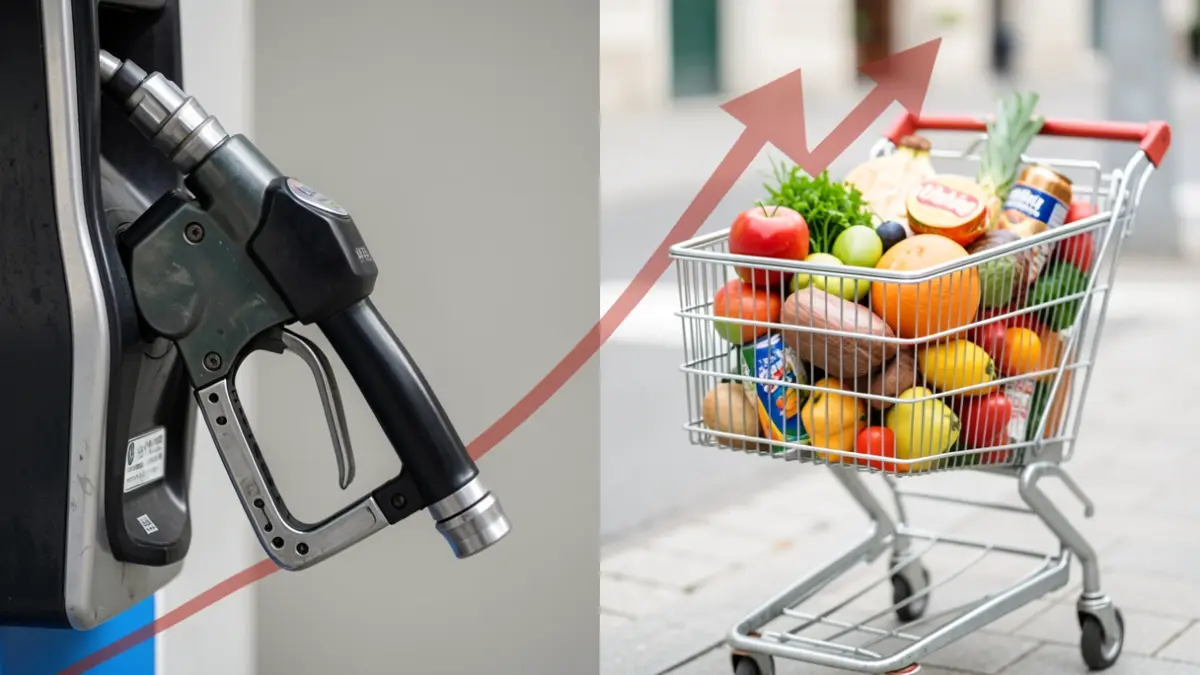
While fuel prices nationwide saw a 2.1% drop in May, the decrease in the Canary Islands was only 0.5%. This divergence has caused transport costs in the Islands to rise by 0.5%, compared to a 0.2% decrease recorded in the rest of the country. Consequently, the year-on-year inflation in the Canary Islands stands at 3.2%, matching the Spanish average.
The difference in transport price trends is partly explained by fiscal measures. While the central government reduced the VAT on fuel from 21% to 10%, this tax does not exist in the Canary Islands, limiting the regional government's ability to lower these costs.
So far this year, the fuel and heating oil subgroup has increased by 10.3% in Spain, but in the Canary Islands, the rise has been much more pronounced, reaching 26.2%. If this trend continues, the overall cost of living in the autonomous community could soon surpass that of the mainland.
The price surge that began in 2021, exacerbated by geopolitical factors such as the conflict in Ukraine, has significantly impacted purchasing power. Over the last five years, basic products like eggs have increased in price by almost 70% (69.8%), and olive oil by 63.8%.
Other food items that have seen significant increases include sugar (52%), beef (48.9%), and legumes and vegetables (45.2%). Overall, the CPI for food in the Islands has risen by 34.3% in the last five years, meaning that filling a shopping cart requires one-third more money.
The restaurant and accommodation services sector has also experienced price increases, with a 5.4% rise in recent months. Although their cost structures have been affected by rising energy prices, they have passed these increases on to the final consumer more readily, supported by strong tourist demand.