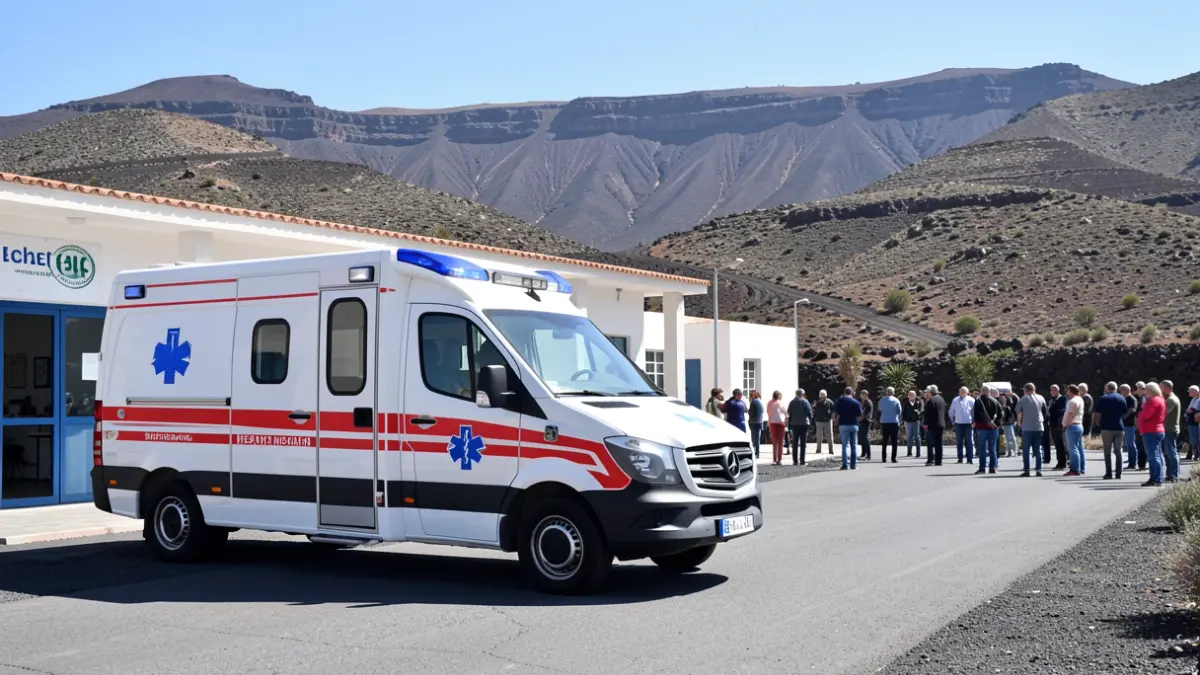
The University Hospital of the Canary Islands (HUC) experienced a concerning mortality rate in its Emergency Department during 2025, with approximately one death recorded every 13 hours. In total, 660 people passed away in this area throughout the year, representing a 20% increase compared to previous periods. This surge coincided with one of the most critical times of collapse and saturation for the urgent care service.
Data obtained through the Transparency Portal of the Government of the Canary Islands reveals that the mortality rate in the HUC's Emergency Department stood at 8.5 per 1,000 emergencies attended. This figure is significantly higher than the national average, where previous studies indicate that only 0.1% of urgent care cases result in patient death within the department. The HUC's 0.85% rate far exceeds this average.
One of the potential reasons for this increase in mortality could be linked to the heavy workload borne by healthcare professionals due to a progressive shortage of staff, particularly doctors, which affected the service between 2020 and 2025. Scientific literature has previously established a connection between the risk of death in emergency departments and the pressure and workload of the service.
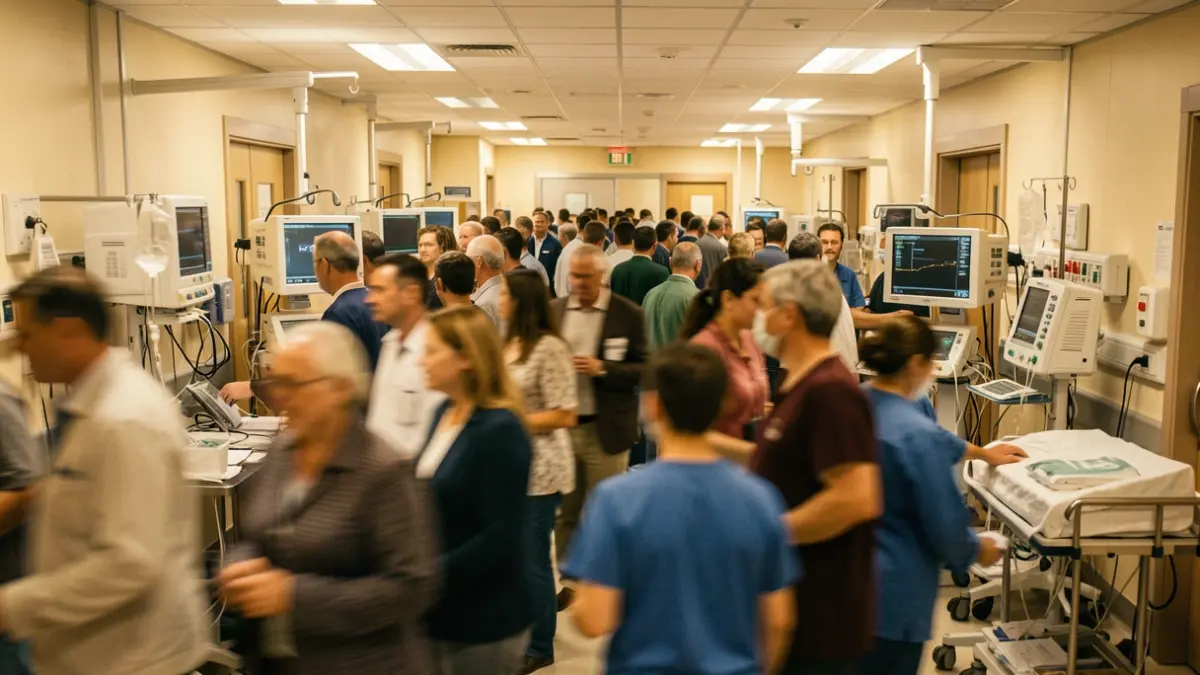
A report from the Diputación del Común (Ombudsman's Office) concerning 2025 detailed the critical situation, highlighting the presence of patients in hallways, lack of monitoring, delays in informing families, and saturation of key areas such as triage and observation. The report also questioned the personnel figures provided by the management, indicating a lower actual staffing level.
Interviews conducted by the Diputada del Común with service workers revealed a notable scarcity of doctors, exacerbated by sick leave and resignations. According to their testimonies, this situation, ongoing since 2020, has led to a loss of experience within the staff, with the most senior physicians having only about four years of experience, compared to the eight years that were common before the pandemic.
Internal records showed a highly uneven distribution of staff across shifts, with up to nine doctors in the morning compared to only four or five during evening or night shifts.
When consulted by this newspaper, the hospital has stated that the situation has improved thanks to a shock plan involving 12 lines of action. This plan, implemented to reorganize circuits and workloads, began showing positive results in November 2025.
Currently, the medical staff has been restored to 55 physicians, a significant increase from the mere 8 who were operational during the pandemic. This staff expansion has helped reduce the average waiting time to see a doctor to one and a half hours, down from 2 hours and 7 minutes in 2025. Although some stretchers still appear in hallways, their volume is considerably lower.
Despite the improvements noted in November, the Diputación del Común's report, based on three visits in 2025, reiterated the continuous saturation of the service, patients in hallways, prolonged delays, and difficulties for families to receive updated information, as well as limitations on the right to file complaints.
Interestingly, 2025 also saw a significant drop in the number of complaints filed with the User Attention Service, with 338 grievances compared to 477 registered in 2024, a decrease of nearly 30%.