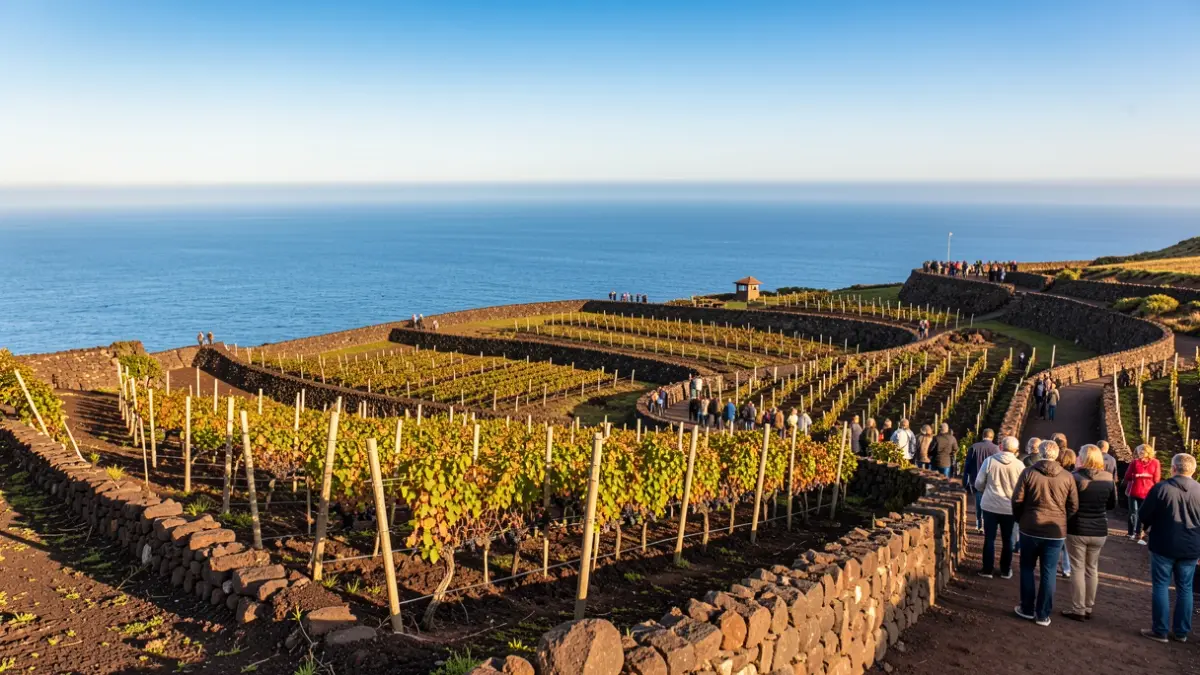
The wine heritage of La Palma extends beyond mere wine production to encompass landscape, tradition, knowledge, culture, and identity. This is highlighted in the Master's Thesis “Toward a Collective Valorisation of Wine-Related Heritage: A Case Study of Wine Tourism on La Palma, Canary Islands,” conducted by Madeline Elizabeth Hayes Ames as part of the international Erasmus Mundus WINTOUR program.
The research, developed during an internship at the Consejo Regulador de la DOP Vinos de La Palma under the supervision of Eva María Hernández Alonso and Dr. Nashidil Rouiai, analyzes how wine tourism can contribute to the preservation of this heritage. The heritage is viewed broadly, including vineyards, landscapes, traditional practices, intergenerational knowledge, and the cultural identity linked to the territory.
A key contribution of the study is its analysis of the social and psychological dimensions of wine heritage. The research points to the need to deepen the emotional connection between the population and their territory, suggesting that a perceived lack of local pride compared to foreign products might be linked to historical and social factors of island living.
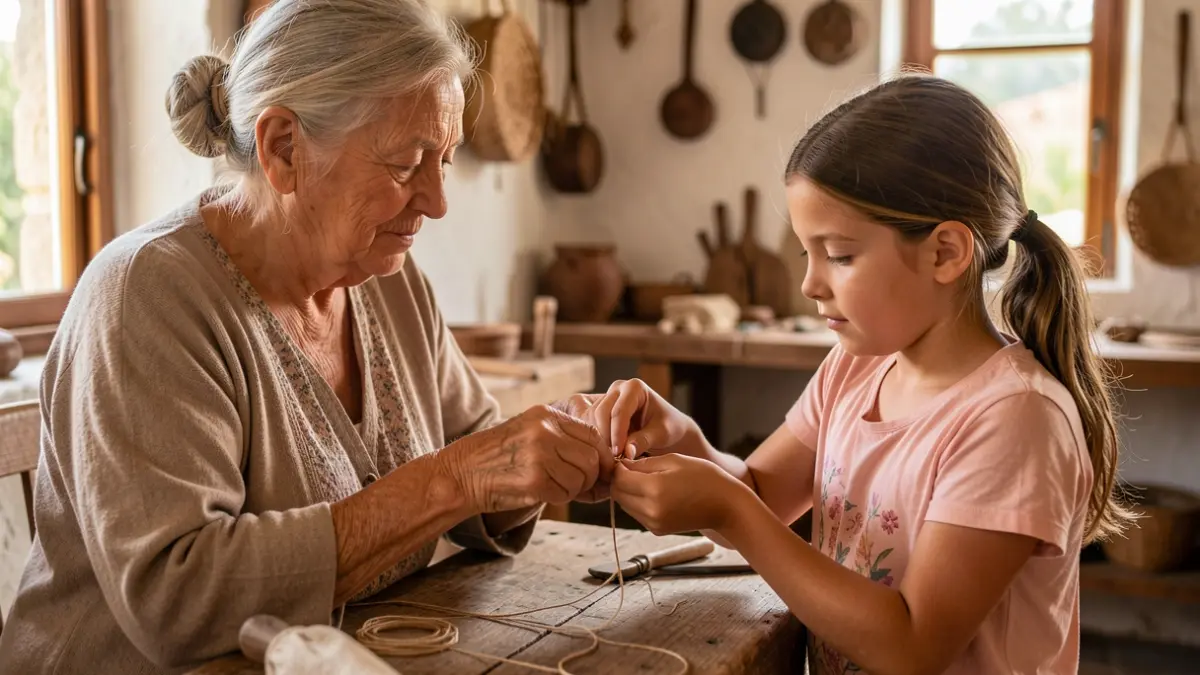
The thesis posits that valuing wine heritage involves not only promoting a product but also strengthening identity, a sense of belonging, and the population's appreciation for their territory. It emphasizes the importance of cooperation and collective action within the sector.
In conclusion, adequate valorization of wine heritage can foster sustainable wine tourism, reinforce territorial identity, and ensure the preservation of La Palma's wine culture for future generations. The study opens a valuable avenue for reflection on the sector's future, linking the appreciation of La Palma's wine with its territory, culture, and the people who keep its winemaking tradition alive.