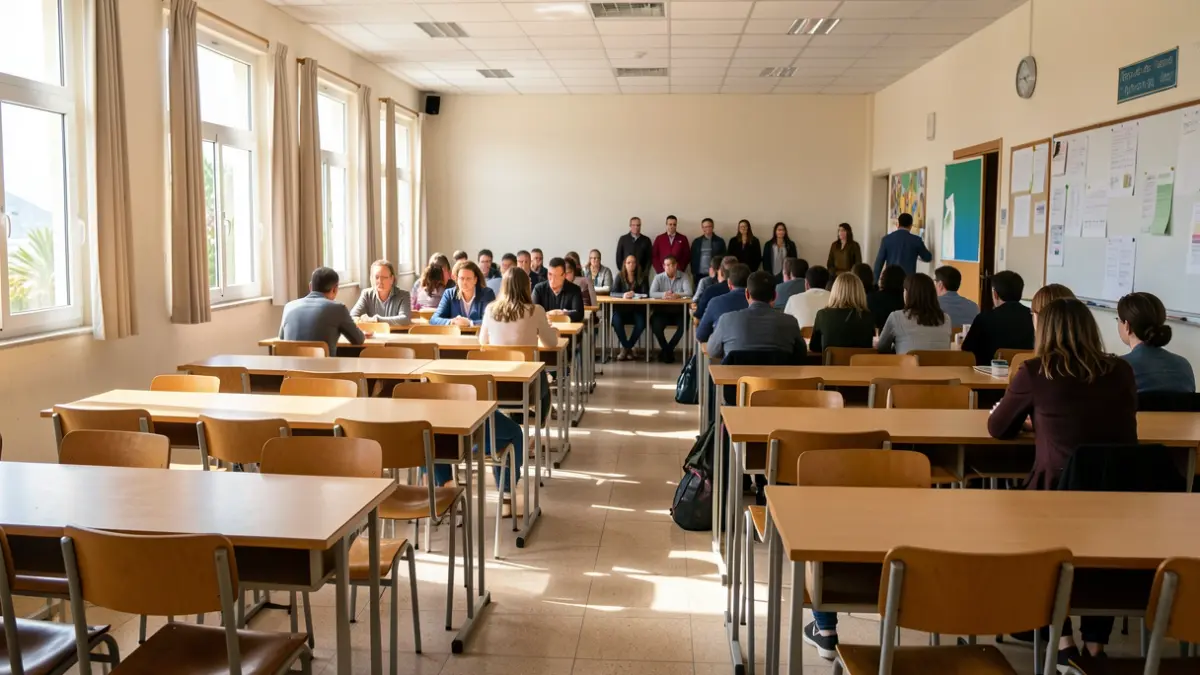
The second day of the Southeast Sustainable Regions Seminar, held in Ingenio, highlighted the urgency of addressing the textile waste problem. In this context, an expert from the University of Las Palmas de Gran Canaria (ULPGC) presented the progress of the Textil project, an initiative funded by the Interreg MAC 2021-2027 program, which seeks solutions for the management of these wastes in the Canary Islands and Macaronesia.
The project, led by the ULPGC in collaboration with other entities, addresses the difficulty of recycling in island regions due to the lack of industry, land scarcity, and absence of economies of scale. Its goal is to foster a circular economy in areas with a weak textile industry but a high environmental impact, such as Madeira, Azores, and Cape Verde.
Selective collection of textile waste in the Canary Islands barely reaches 7% according to the latest available data from 2021.
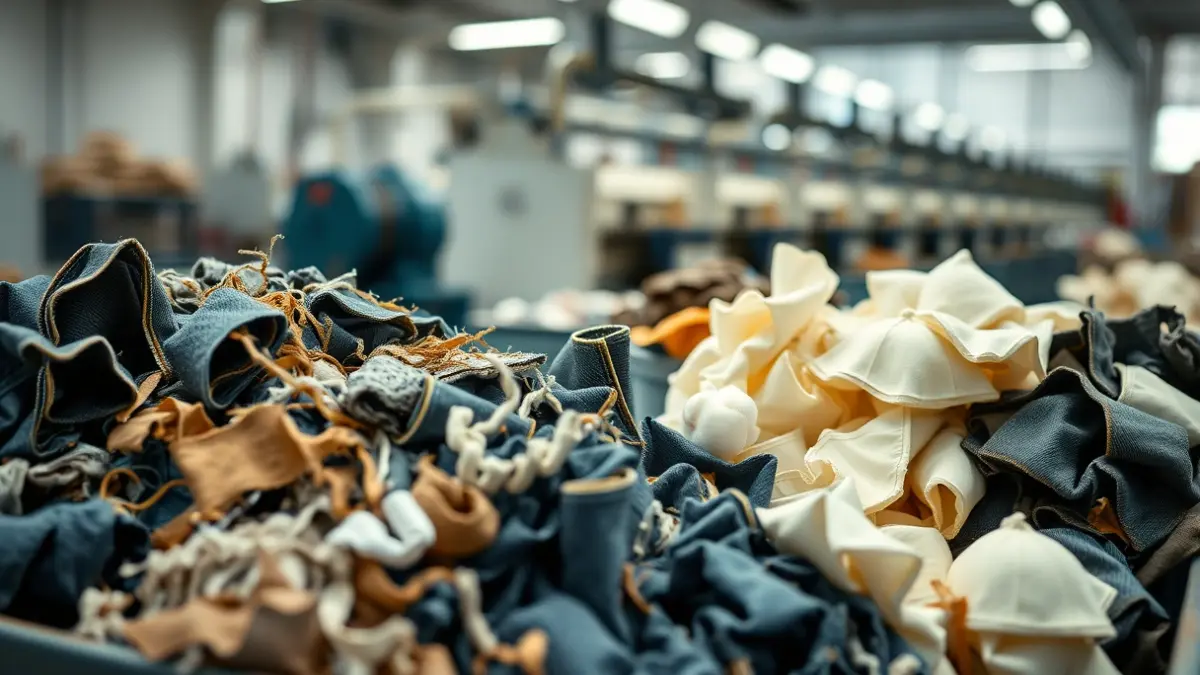
One of the project's most notable work streams is the creation of pilot plants in the experimental circular economy area of the Technological Park in Gáldar, Gran Canaria. These facilities will be dedicated to the classification and treatment of various types of textiles, using advanced technologies to separate materials like cotton or polyester and explore new recycling avenues adapted to the island context.
Proposed solutions include mechanical recycling to convert textile waste into construction materials, such as insulation panels. Innovative alternatives are also being investigated, such as the use of natural binders or the utilization of fabrics for specific applications, including marine uses, without the need for complete shredding.
In addition to material innovation, the project emphasizes the importance of citizen awareness. Prevention and correct source separation are crucial for improving waste management. The textile industry is responsible for 10% of global carbon emissions and consumes 93 billion cubic meters of water annually, underscoring the need for more responsible consumption.