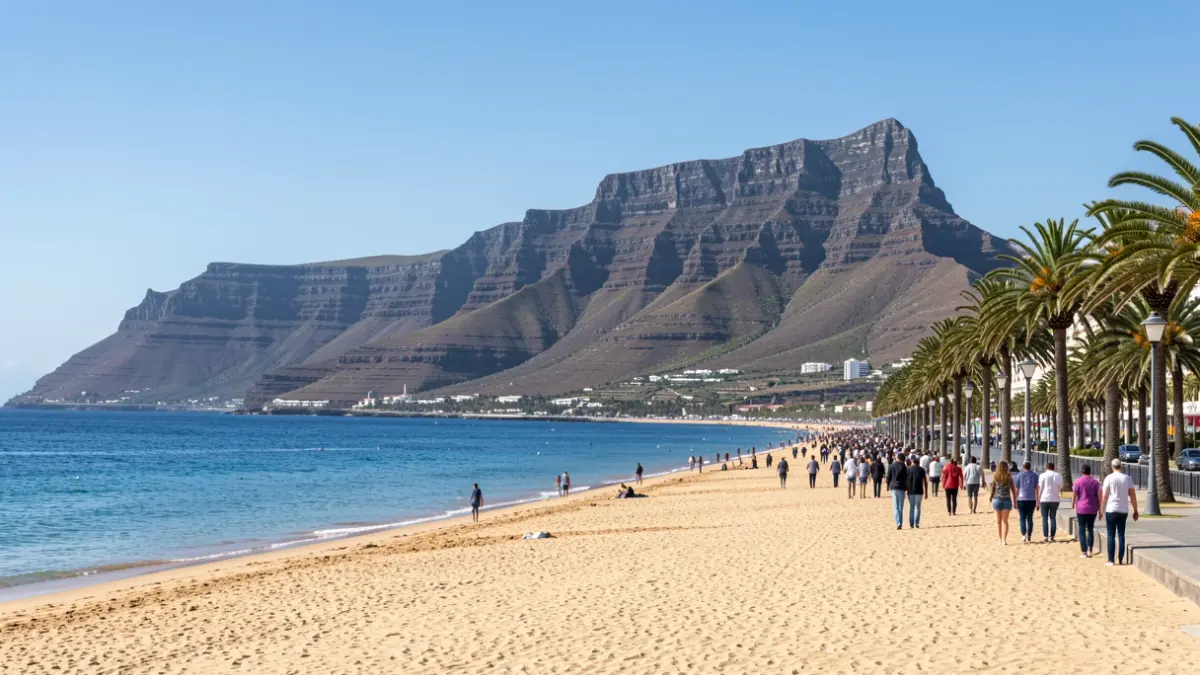
The summer period officially kicks off this Sunday, coinciding with the longest day of the year. The next three months, until mid-September, will be characterized by an increase in temperatures and, surprisingly, by a greater amount of rain than is usual for this time.
According to the climate models of the State Meteorological Agency (Aemet), there is a high probability that the summer will be warm and humid. David Suárez, Aemet's delegate in the Canary Islands, points out that these conditions will contrast with the spring, which has been slightly cold and very wet.
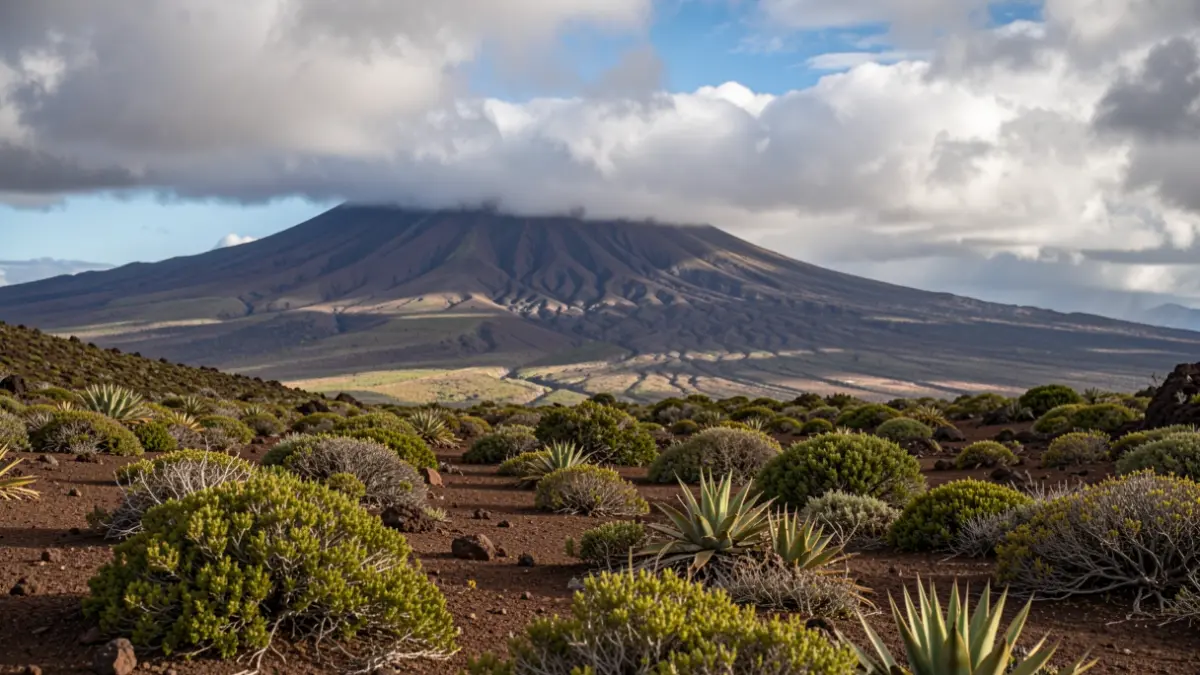
Suárez highlights the peculiarity that models predict a wet season, although he recalls that a summer can be considered so with moderate rainfall, given that they are usually very dry periods. The peaks of Tenerife and La Palma are emerging as the areas with the highest probability of receiving this rain, followed to a lesser extent by El Hierro, La Gomera, and the summit of Gran Canaria. Lanzarote and Fuerteventura would remain outside this trend.
The explanation for this possible increase in precipitation could be related to greater activity of the easterly waves, according to scientific analyses. Average temperatures will range between 20 and 21 degrees Celsius, although they may vary due to factors such as the 'panza de burro' (a type of cloud formation) or episodes of calima (Saharan dust), which in summer are usually more intense due to the ability of Saharan air masses to settle over the trade winds.
Recently, the Canary Islands have already experienced summer conditions thanks to an anticyclone in the Azores that has protected the archipelago from the heatwave affecting the Peninsula. The solstice marks the point at which the Sun reaches its highest altitude, offering around 14 hours of daylight daily until the end of July, when sunset will gradually begin earlier.