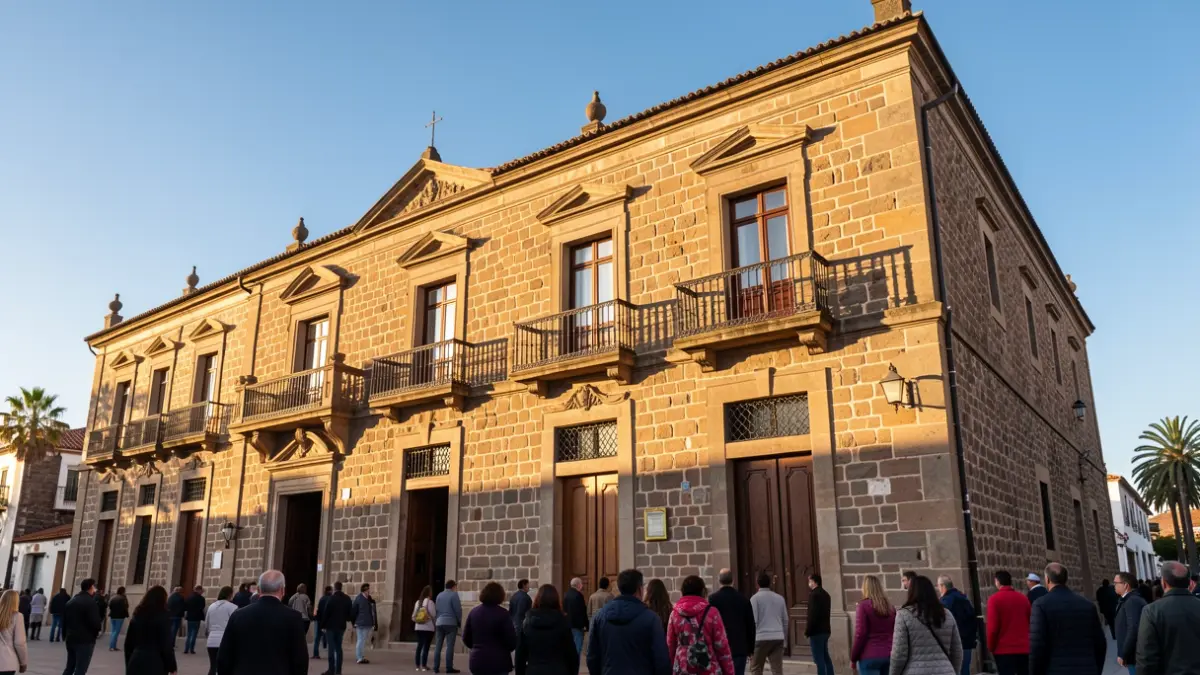
Ministers Jordi Hereu (Industry and Tourism) and Ángel Víctor Torres (Territorial Policy and Democratic Memory) will officially present the concession of this prestigious title in Teror next Monday. The event will take place at 12:00 PM in Alameda Pío XII, near the Basilica del Pino, the patron saint of the Diocese of Canarias and a central figure of devotion for the people of Gran Canaria.
The proposal submitted by the Teror City Council in August 2025 highlighted the festival's significance, drawing over 200,000 attendees annually from various backgrounds. It emphasized its heritage value, popular roots, tourist reach, symbolic richness, and media projection, establishing it as an expression of island identity.
The festival, with documented origins in the 18th century and roots tracing back to the 1481 miracle of the pine tree tradition, has endured as a vibrant manifestation of ethnography and coexistence. The application was supported by letters from the Island Council (Cabildo), the Government of the Canary Islands, island municipalities, and social, cultural, and tourism entities, as well as the Diocese of Canarias.
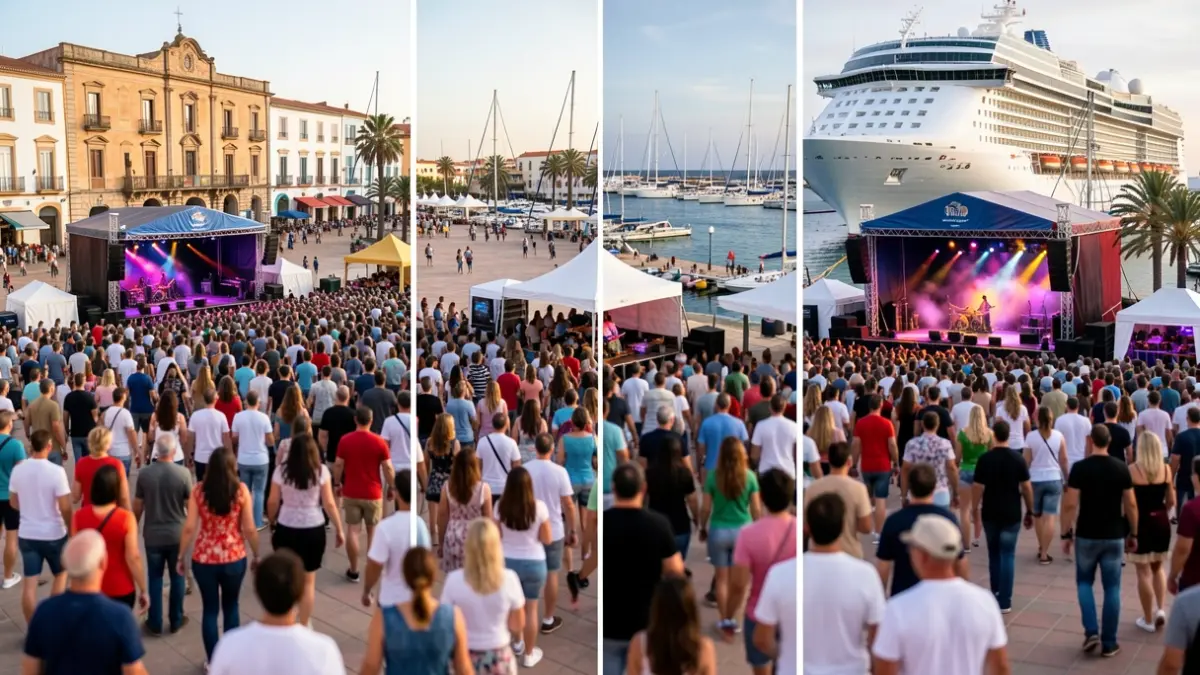
To support the application, the Tourism Department documented the 52nd 'Bajada de la Virgen del Pino' (May-June 2025), which included visits to Las Palmas de Gran Canaria, Telde, and Santa Lucía de Tirajana, to demonstrate the importance of the festivities.
With this declaration, the 'Fiestas del Pino' joins seven other Canarian festivals holding the National Tourist Interest title. The first such distinction was awarded in 1980, and the most recent in 2021 was for the Almond Blossom festival in Tejeda. Other recognized festivals include Corpus Christi in Villa de Mazo (1985), Nuestra Señora del Rosario in Agüimes (2002), the Crosses and Fires of May in Los Realejos (2015), and the Juradas de San Miguel Arcángel in Tuineje (2019).
It is noteworthy that the 'Fiesta del Pino' was previously designated a Festival of Tourist Interest of Spain in 1965. Following the establishment of National and International Tourist Interest categories in 1979, the City Council revisited the process in 2015, achieving the Regional Tourist Interest declaration in 2017, a prerequisite for the current recognition.