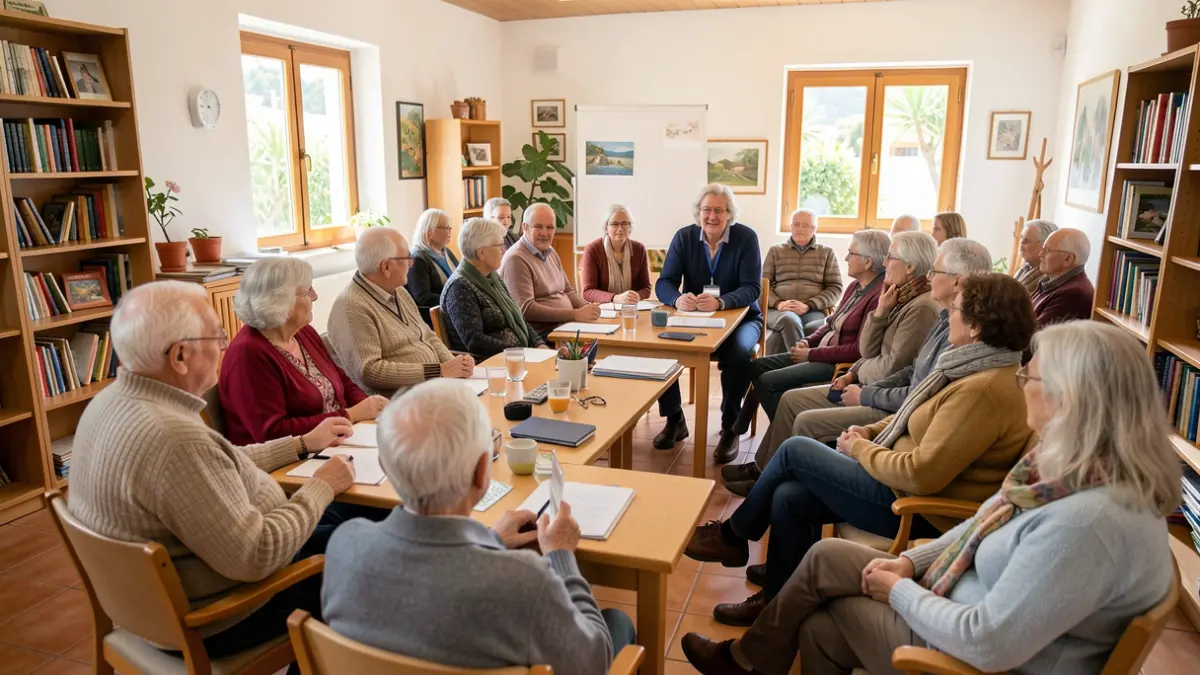
In an informational meeting held prior to Pope Leo XIV's visit in June, the prelates underscored the importance of solidarity. They lamented that migrants are often dehumanized, treated as mere numbers rather than individuals with complex and difficult life stories.
“"Many people should be put in a cayuco for five days, morning and afternoon, without food, to see how they arrive and then support the reception of migrants."
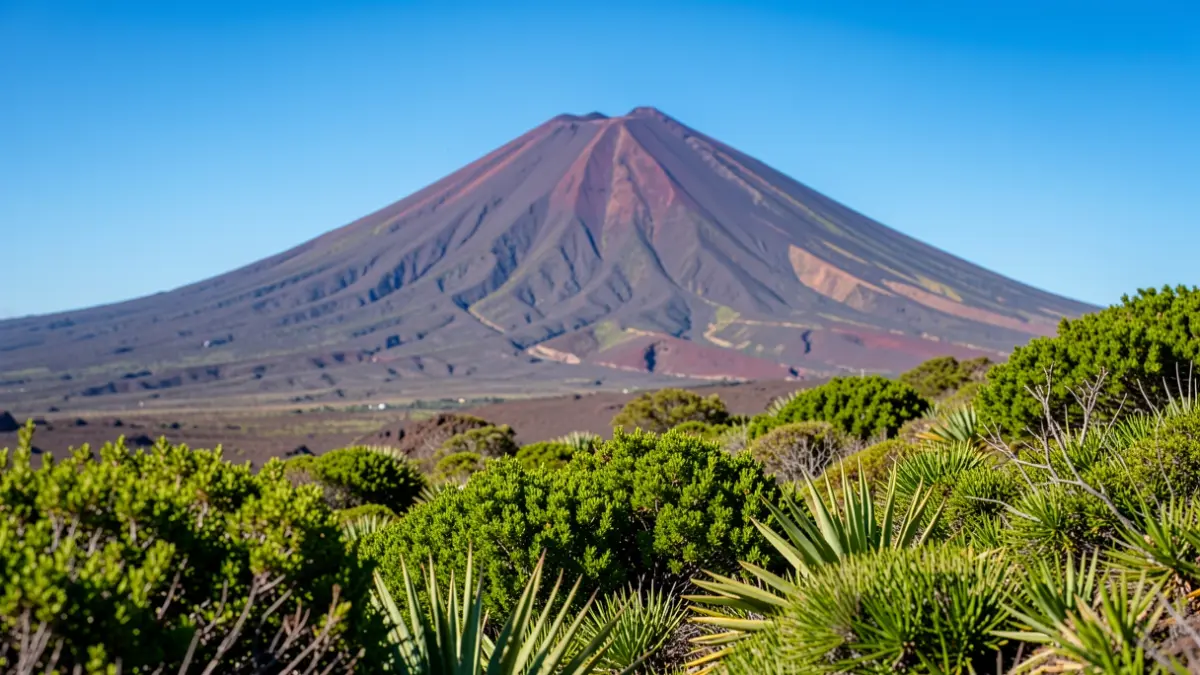
One of the bishops highlighted that the Canary Islands, especially El Hierro, have become Europe's southern border and a crucial arrival point for African migration. He noted that the migratory reality sometimes overwhelms response capabilities, as seen in El Hierro, an island with a small population that received over 25,000 people last year through the port of La Restinga.
“"We feel helpless in the face of this deadly Atlantic route and believe that the Holy Father's visit will not only provide support and motivation to continue working in this important area as a church and society, but also to raise international awareness of this sad drama, so that all national, European, and international institutions become aware of the drama of migration."
Although Arguineguín in Gran Canaria and the port of La Restinga in El Hierro are the main arrival points, it was noted that many others reach different parts of the archipelago, and sadly, some do not survive the journey. The solidarity of the population across all islands and the awareness of the Government of Canarias regarding this reality, including the situation of migrant minors, were emphasized.
The bishops expressed their hope that Pope Leo XIV's visit will shed light on this global issue, which also involves countries of origin. They insisted on the need to combat mafias and seek ways for migrants to arrive safely and legally to work. They clarified that the pontiff's visit will be pastoral, focusing on the Canarian Church's concern for the migrant population.
Regarding the extraordinary regularization approved by the Government, the bishops agreed with its content but suggested that the method of implementation could be debated. They clarified that this regularization is not linked to the papal visit but is the result of a long-standing popular legislative initiative. The head of Cáritas Canarias added that this regularization aims to provide dignity and administrative status to people who are already contributing to society.
While no specific details of the Pope's agenda in the Canary Islands have been confirmed, it is anticipated that testimonies from migrants will be crucial. The possibility of Pope Leo XIV visiting El Hierro, a wish of Pope Francis, is considered difficult due to time and logistical constraints. The prelates thanked the support of many individuals and the intention of the Canarian Government to provide a one-million-euro subsidy, with an additional half-million from the island councils, for this significant event.