The objective is to develop a comprehensive plan that improves the daily management of the colonies and plans future actions based on a study of the current situation. This plan will focus on organizing feeding points, addressing incidents, resolving neighborhood conflicts, and protecting public health and the environment.
A diagnosis will be carried out to determine the location, number, and condition of the cats, as well as sterilized animals and colonies with uncontrolled growth. This information will be used to define priorities, schedule phased interventions, and establish annual budget allocations.
Councilor Jacobo Lemes emphasized the need to understand the situation of the colonies to act with criteria, set priorities, and allocate necessary resources, aiming to progressively reduce the number of abandoned cats and prevent their suffering through ethical, planned, and sustained management.
Another key point was the need to strengthen animal welfare training. The Department plans to involve expert Ruimán Duarte to conduct training sessions for municipal technical staff, law enforcement officers, and shelter workers, updating knowledge and adapting procedures to current regulations.
It is considered essential for volunteers to know their rights and obligations to improve coordination between the Administration and volunteers, facilitating more effective collaboration. Lemes added that training is key for everyone to know how to act and what their responsibilities are, fostering a fluid relationship for working in the same direction.
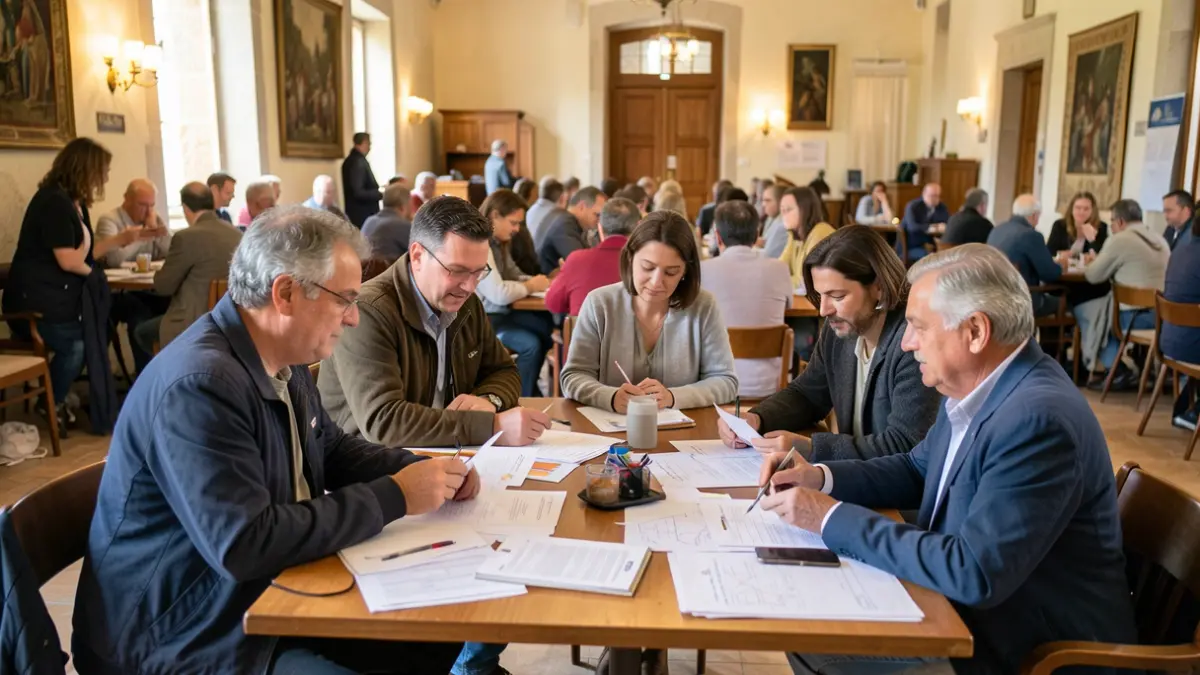
The meeting also addressed specific situations raised by attendees, such as feeding, access to water, the presence of cats on private land, properties in poor condition, and adoption possibilities.