On April 18, during a surveillance operation on Fuerteventura's east coast, Civil Guard agents spotted an SUV on a difficult-to-access dirt track. The vehicle's suspicious presence prompted officers to stop it and identify its occupants.
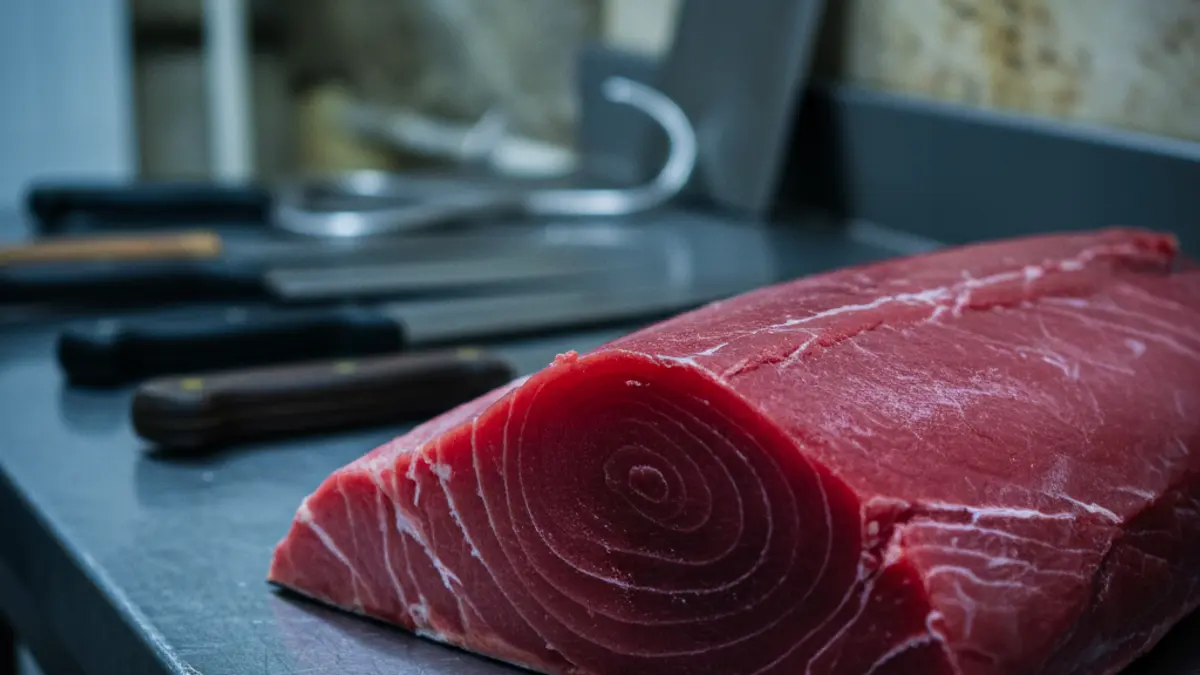
Upon inspecting the SUV, officers discovered large fragments of a recently butchered red tuna specimen, along with professional cutting tools and other deep-sea fishing equipment. The vehicle's occupants admitted to catching the tuna hours earlier but could not produce the necessary authorization for recreational fishing of this species, which is subject to strict international controls.
Civil Guard investigations suggest the catch was intended for commercial purposes, exacerbating the situation. Current regulations in the Canary Islands prohibit the sale of fish obtained through recreational fishing. Attempting to introduce these 126 kilos into the commercial circuit not only constitutes unfair competition but also poses a health risk due to the lack of official traceability.
The Canary Islands Fishing Law is particularly strict regarding such conduct, categorizing penalties into three levels of severity that can lead to devastating economic consequences for offenders.
Following the intervention, the tuna meat was transported to official facilities for precise weighing, totaling 126.15 kilograms. Nine administrative infractions have been reported, with penalties for serious offenses ranging from 301 to 60,000 euros, and for very serious offenses, between 60,001 and 300,000 euros. Authorities emphasize that illegal fishing not only results in the loss of goods and tools but also high fines and a negative impact on the sustainability of the archipelago's marine resources.