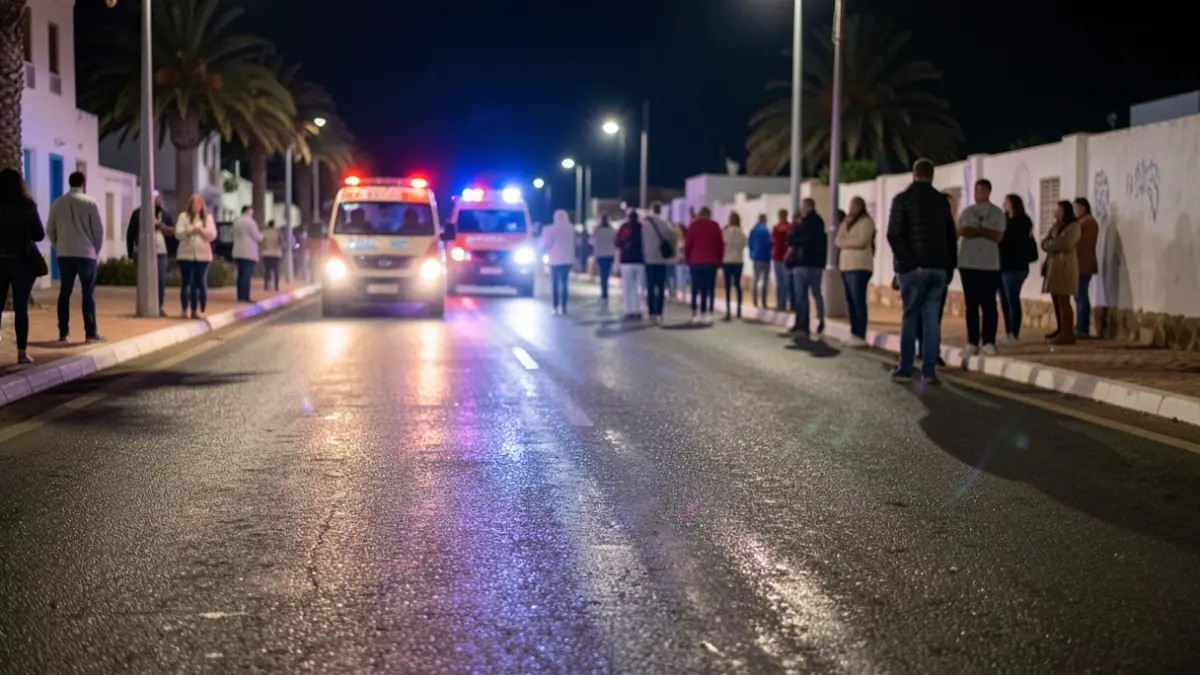
Investigations began following several reports from citizens claiming to have been victims of serious crimes. After activating standard protocols, officers from the Las Palmas Command conducted thorough work, including witness statements, security camera analysis, and mobile device tracking.
These inquiries revealed significant contradictions between the complainants' accounts and the actual events. According to the Civil Guard, the primary goal of these false reports was to obtain financial compensation from insurance companies, whether to recover lost items, claim indemnities for non-existent robberies, repair vehicle damage, or avoid civil liabilities after traffic accidents.
Among the most prominent cases is that of a man who reported a violent robbery, claiming two armed individuals had stolen his high-end mobile phone. However, the investigation showed that the device had been lost in a leisure establishment, and the complainant simulated the robbery to benefit from his insurance policy.
Another incident involved the report of a vehicle theft in Morro Jable. Security footage revealed that the car had been involved in an accident, causing damage to urban furniture, and that the complainant himself abandoned it after the impact, thus ruling out the alleged theft.
The Civil Guard also detected several cases in the municipality of Pájara, where tourists with international insurance attempted fraud. In one instance, a tourist claimed to have suffered two money thefts in his hotel, but investigations confirmed there was no forced entry or loss of the room access card, and safe records did not match the reported times.
The Civil Guard reminds the public that simulating a crime can lead to fines of six to twelve months, in addition to potential convictions for false testimony, which carry prison sentences of six months to two years and additional financial penalties.