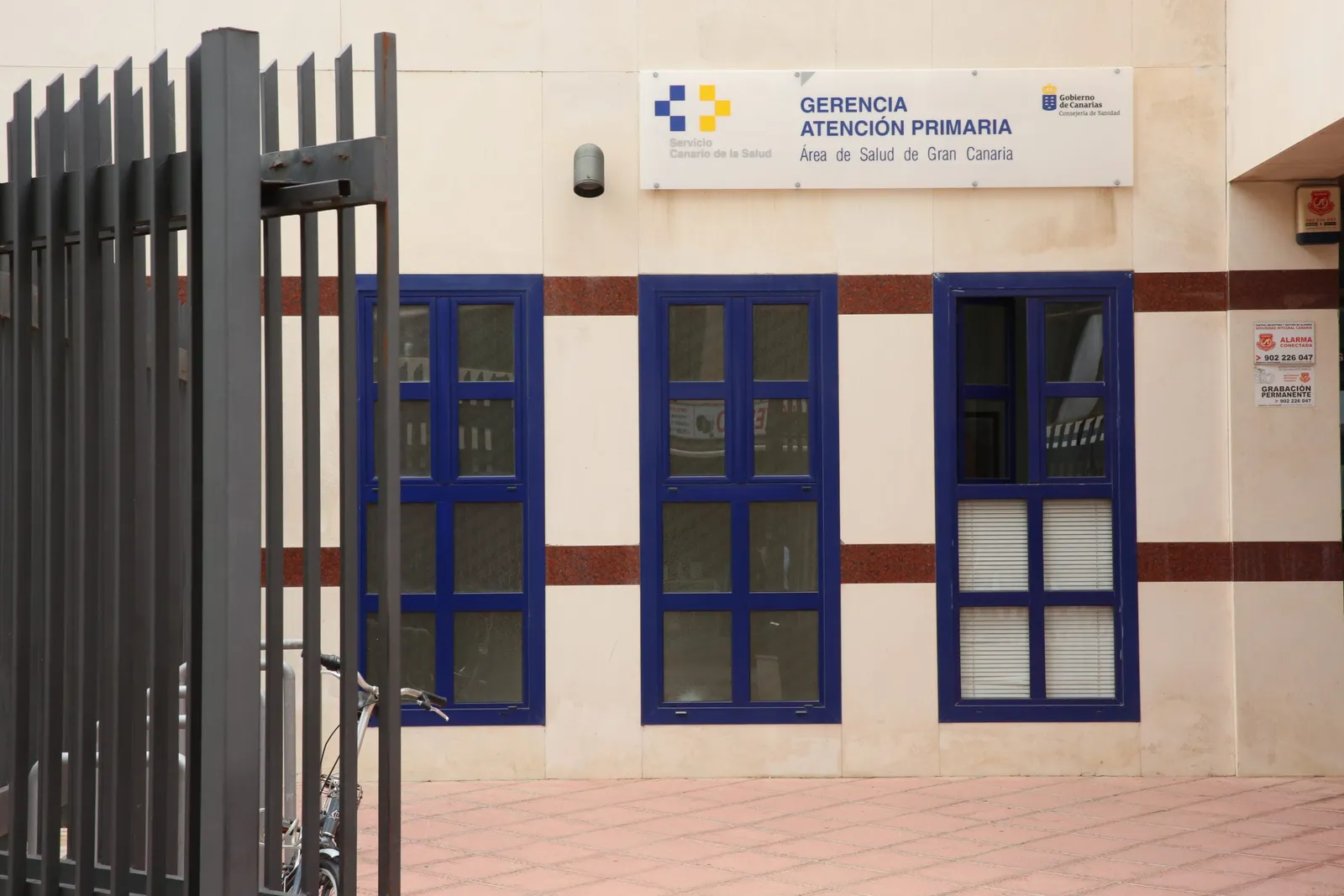
The Gran Canaria Health Area, through its Primary Care Management and in coordination with the Palliative Care units of the public university hospitals, has implemented an end-of-life care model. This service aims to guarantee comprehensive, coordinated, safe, and quality care for individuals at the end of their lives and their families, reinforcing the role of Basic Health Zones (ZBS) and the professionals who regularly attend to patients.
The primary objective is to facilitate patients remaining in their usual environment whenever clinically possible and in line with their preferences. It seeks to enhance coordination between Primary Care and hospital units through common criteria and pathways, as well as standardize professional competencies in key areas such as symptom control, palliative sedation, subcutaneous administration, elastomeric pumps, and advance care planning.
Primary Care teams will have the necessary materials and medication at their health centers to respond quickly at home. Furthermore, support will be offered to families and caregivers, providing practical information, guidance, and assistance during moments of vulnerability. This home-based palliative care model promises continuity of care, closer attention, and a greater response capacity, based on the values of humanization, equity, and organizational sustainability.
The strategy represents a significant advancement for Gran Canaria's Primary Care professionals in supporting end-of-life patients and their families. It combines proximity, continuity, professional training, resource availability, hospital coordination, and family support.
Currently, the deployment covers seventeen ZBS and includes specific training, common protocols, palliative care kits, elastomeric pumps, subcutaneous catheters, and a guide to complex procedures accessible via QR codes. Since its launch, it has attended to over 130 patients, with progressive expansion to the entire island planned. Following implementation in ZBS such as Agaete, Teror, and Maspalomas, the next phase involves extending the model to the rest of the island, standardizing training, protocols, and coordination pathways.
This coverage is supplemented by the 24-hour daytime and nighttime Special Emergency Service in Las Palmas de Gran Canaria, Telde, and Arucas, which provides home care for urgent situations outside regular team hours.
Specific measures include the development of protocols and action criteria to reduce care fragmentation, centralized training sessions on home palliative care, and the design of specialized kits for basic care and elastomeric pumps. Teams have been equipped with subcutaneous catheters and elastomeric pumps for continuous medication administration, ensuring immediate availability of materials.
A practical guide has been developed, compiling procedures, infographics, and video procedures, and incorporating advance care planning and active patient and family participation. Information materials for families have also been created, explaining palliative care, care organization, common symptoms, and comfort measures.
This initiative is part of the Palliative Care Strategy of the Autonomous Community of the Canary Islands, which is dynamically updated and aligns with international palliative care models. The Canary Islands Health Service's (SCS) Person-Centered Healthcare Strategy also influences this, promoting care that adds value and benefits both citizens and healthcare personnel.
Furthermore, the 5C Plan for complex chronic care in the Canary Islands aims to provide comprehensive, personalized, and multidisciplinary care to vulnerable patients, improving their quality of life and the sustainability of the healthcare system. This plan promotes a proactive and coordinated model focused on dignity, accessibility, health and social protection coordination, and support for caregivers.