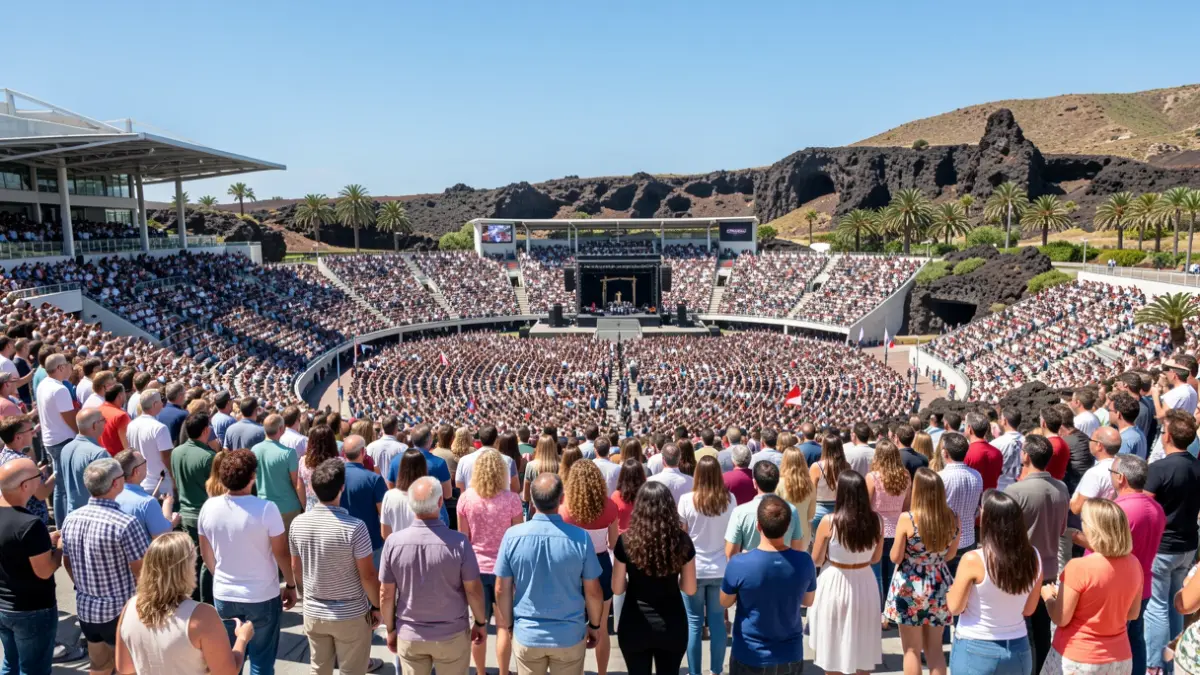
As the island prepares to welcome Pope Leo XIV for an event expected to draw around 50,000 people to the Estadio de Gran Canaria, the motivation behind attendance is questioned: is it faith or the fear of missing out on a historic event? This anticipation contrasts sharply with the reality of many Canary Islands parishes, which face an aging congregation and a decline in regular religious practice.
In the historic churches of Las Palmas de Gran Canaria, such as the hermitage of San Telmo, consistent Sunday attendance is observed, though predominantly by older individuals. Regular attendees, like José María Domínguez, note that faith transmission between generations is diminishing and increasingly depends on the family environment. CIS data indicates that over 30% of Canarians never attend religious services, while only about 10% attend mass regularly.
Other parishes, like those in Santo Domingo and San Agustín, also show a scarce youth presence. Paco, an assistant sacristan at Santo Domingo, remains optimistic about the papal visit's impact, believing it could attract young people and spark spiritual curiosity. Similarly, Clotilde and Carmen Lili, regular devotees, hope the unique event will shift perspectives on religion for some, though they acknowledge that most churchgoers are over 50.
The Catedral de Santa Ana presents a mixed scene, blending believers with tourists and curious visitors. Aurora Ferreira Rodríguez, a regular parishioner, laments the youth's detachment from religious practice but celebrates the pontiff's visit, opting to follow it from home to avoid crowds.
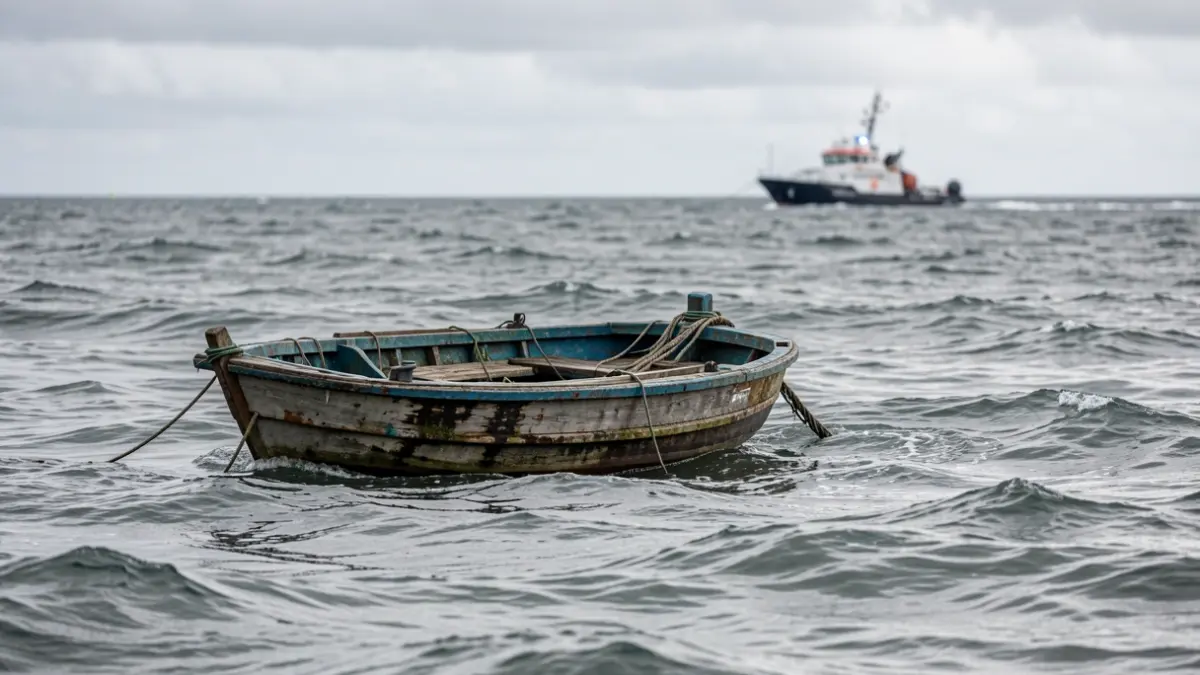
Priest Agustín Sánchez describes this situation as a contradiction: churches with low attendance versus a massive event. He explains that many consider themselves non-practicing Catholics, maintaining a sense of belonging to the Church. For him, the mobilization for Pope Leo XIV is both a Catholic and a social-historical phenomenon. He also highlights that the visit revisits Pope Francis's desire to visit the Canary Islands to address the migration crisis, with parts of the agenda linked to locations like Arguineguín, promoting welcome.
Surveys confirm this trend of more occasional religiosity. Parishes have prepared for the visit with gatherings and catechesis, and individuals who do not usually attend mass have volunteered, still feeling like believers. The main question, according to Agustín Sánchez, is how many stadium attendees will return to churches, as the papal visit may revitalize a sense of belonging that many retain despite not practicing.