The new funding adds to the 235,000 euros already invested in the initial phase, which deployed 19 devices along Gran Canaria's coastline. The island's strategy now focuses on extending this system, designed to provide an 'immediate response' and bring flotation devices closer to those in danger while professional rescue services arrive.
To date, three devices have participated in operations on the beaches of El Pirata, Arinaga, and La Laja. At El Pirata, three people were assisted, the same number as in Arinaga, while two people received assistance at La Laja. In these incidents, beachgoers used the equipment to provide initial aid until emergency services arrived, highlighting the crucial role of 'decisive minutes'.
The recent approval in the Cabildo's Plenary Session allocates 75,000 euros to San Bartolomé de Tirajana, 50,000 euros to Mogán, 50,000 euros to Telde, and 25,000 euros to Valleseco. This investment, totaling 435,000 euros with the first phase, aims to expand the system's territorial presence.
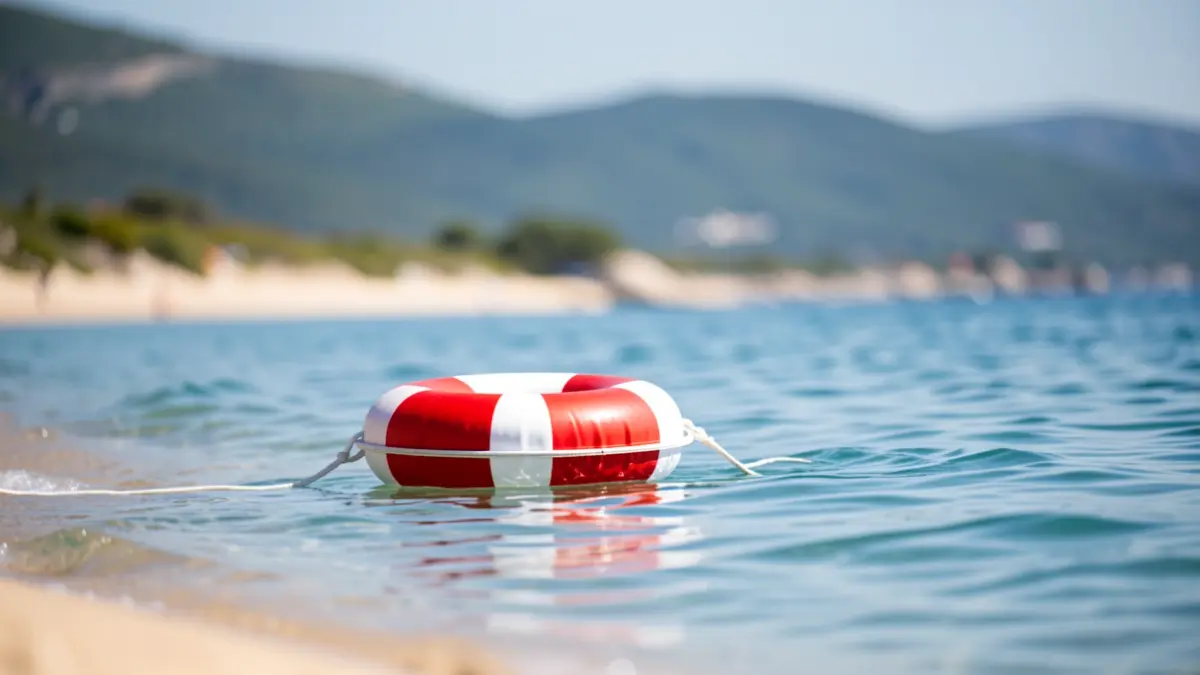
The OneUP totems provide a self-inflating flotation device that any citizen can use without needing to enter the water. The system acts as a 'complement to professional rescue services,' reducing the time to first assistance and facilitating early intervention.
The expansion of the model to new locations in Gran Canaria is linked to a coastal prevention policy. The initial interventions, with three operations and eight people assisted, validate its function as support prior to the intervention of rescue services.