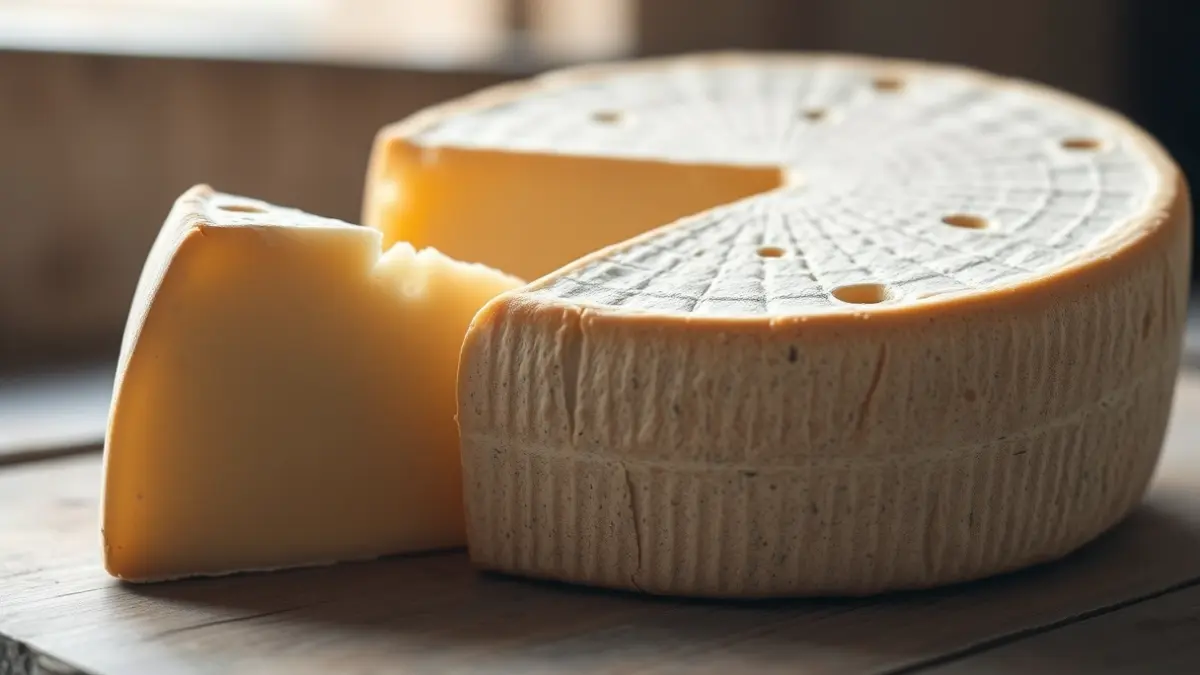
The primary sector in Gran Canaria faces significant challenges, especially in livestock farming, which demands constant dedication. A producer from Fontanales, Moya, who manages a farm with approximately 210 animals, including sheep and young stock, and produces between 8 and 10 cheeses daily, emphasizes the sacrificing nature of this profession.
This professional, also a farmer, has noticed a shift in sector preferences. While livestock farming requires daily attention for milking and feeding animals, agriculture offers greater flexibility. This year, for example, he could not plant potatoes due to heavy rains, which also increase pests and the need for treatments. Instead, he has opted to plant corn for livestock, using over 1,000 kilograms of seeds annually.
“"People are leaning more towards agriculture now because you go, you work, and you leave. You can take time off and whatever, but livestock farming is day-to-day. It's very demanding, of course."
Cheese production, particularly that with the Flor de Guía, Media Flor, and Guía designations of origin, enjoys good demand, with all production being sold. However, generational succession is a concern. Despite the existence of shepherd schools, few young people remain in the profession, mainly due to low wages and the commitment involved in animal care.
The producer, who has dedicated his entire life to this work, highlights that active retirement is a necessity for many in the sector. He also points out bureaucratic difficulties and the lack of support for activities such as clearing land to prevent fires, a task he performs independently and which proved effective during a fire that surrounded his property.