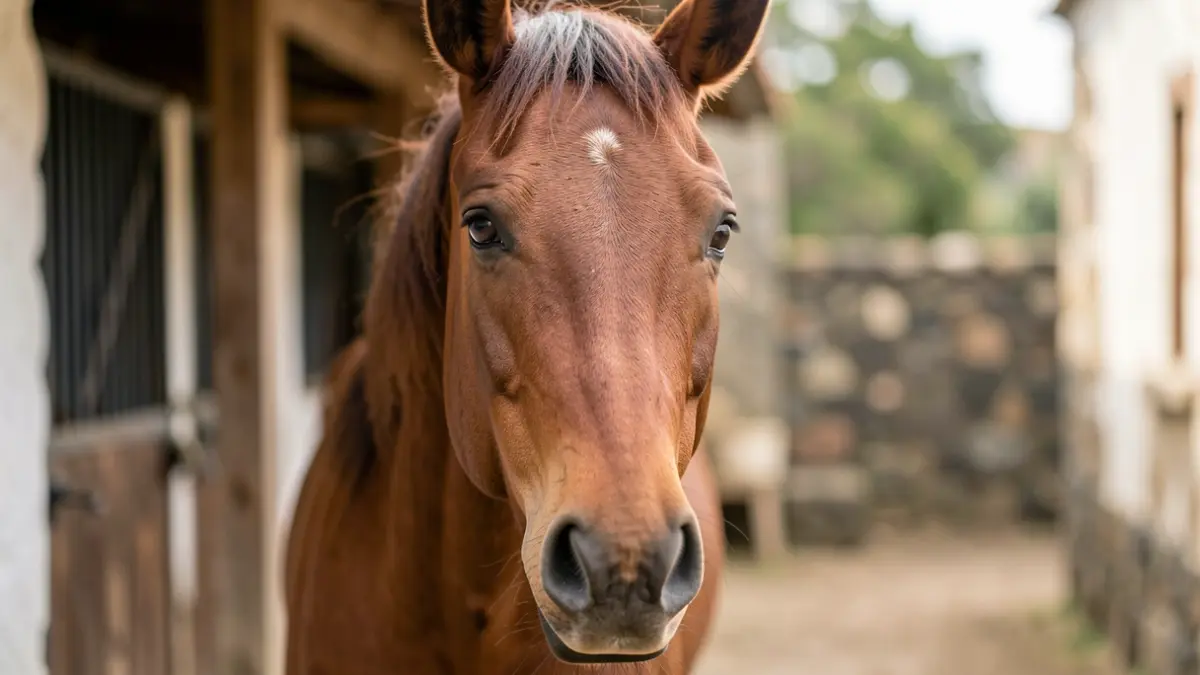
The three infected equines remain in quarantine at the equestrian facility in San Bartolomé de Tirajana. Although tests on 36 other animals have been negative, surveillance will continue for approximately two weeks to rule out new infections and minimize transmission risks through mosquito bites.
The disease, spread by infected mosquitoes, primarily affects birds as a reservoir, though horses and humans can be accidental or final hosts. The West Nile virus was first identified in Uganda in 1937.
In Andalusia, concern is rising with 52 reported human cases, 16 of which involve severe neuroinvasive disease. One death has been recorded, and 19 people have been hospitalized, with four currently remaining admitted.
The cases in Canarias were detected last week after a clinical veterinarian reported neurological symptoms. The farm's isolated location has helped contain the outbreak. If no new positive cases emerge, the outbreak will be considered closed, and an investigation into the virus's transmission vector in the islands will commence.