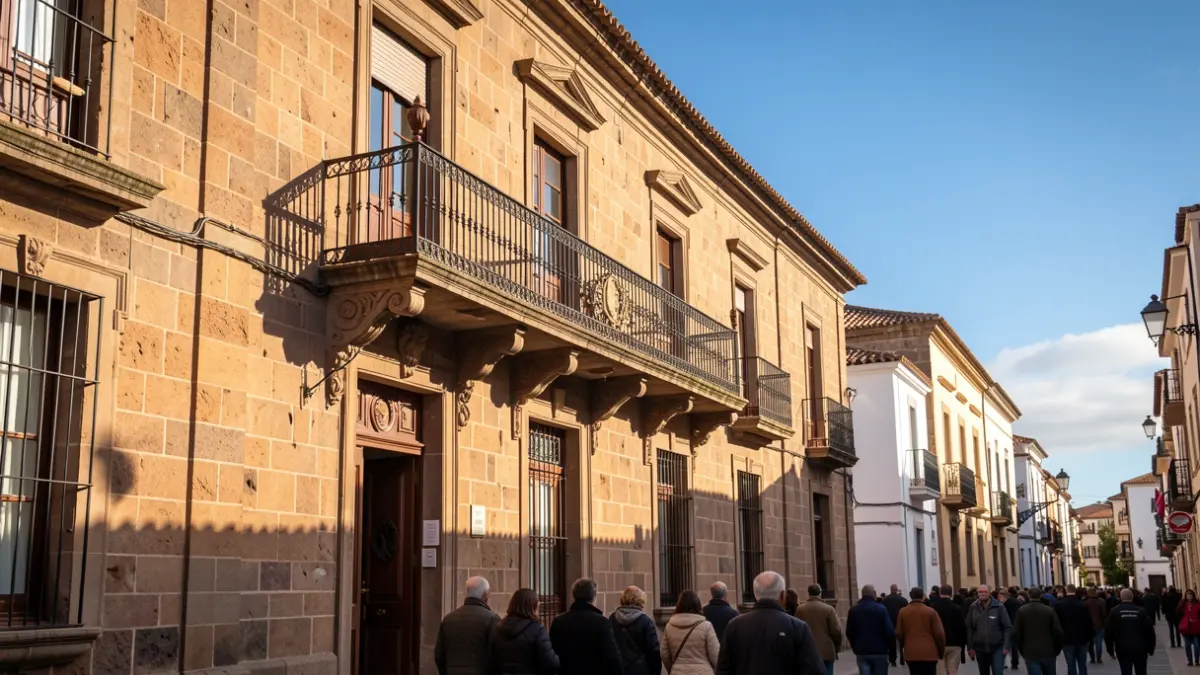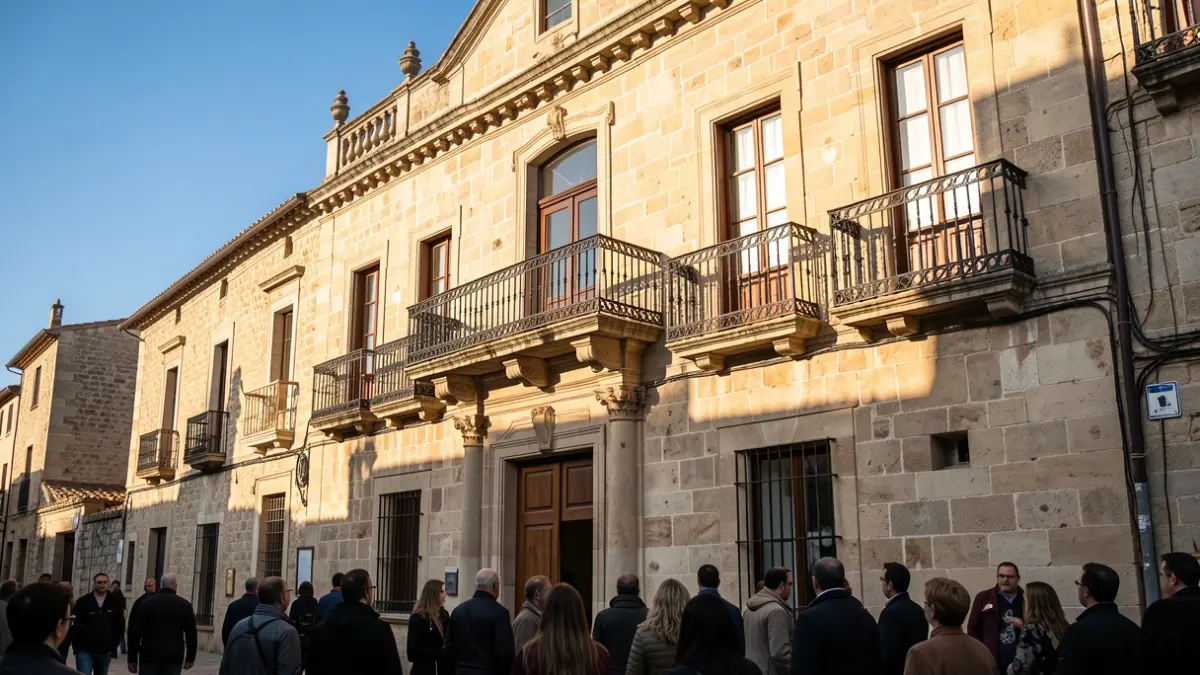
The intervention aims to address the current deficiencies of this island infrastructure, focusing on improving exterior and interior woodwork, flooring, cladding, moisture issues, space redistribution, and toilet accessibility.
The president of the island corporation, Casimiro Curbelo, emphasized the importance of this approval as a "decisive step" for the conservation and modernization of a key space for the cultural and heritage identity of La Gomera. He highlighted that the Casa de la Miel de Palma is a fundamental resource for promoting palm culture, the guarapeo craft, and a flagship product of the island.
Curbelo recalled that the center has established itself as a benchmark within the island's network of museum and interpretation resources, also acting as a driver for social, cultural, and economic revitalization. "Investing in this infrastructure is investing in the preservation of our traditions, in the improvement of public services, and in the capacity of the island's northern municipalities to generate activity linked to heritage, the primary sector, and sustainable tourism," he stated.
During 2025, the Casa de la Miel de Palma, managed by AIDER La Gomera, welcomed 5,660 visitors, demonstrating its growing appeal and consolidation. Visitor profiles include national and German tourists, as well as active participation from groups, educational centers, and the local population in various organized activities.
For her part, the insular councilor for the Primary Sector, Noelia Morales, explained that the works will allow the facility to adapt to current needs, improving its interior design, accessibility, and space versatility. She noted that the project responds to a "real demand" to continue hosting guided tours, workshops, training activities, and proposals related to palm culture and palm honey.
The intervention plan includes dismantling, demolition, the creation of new interior divisions, and the renovation of plumbing, sanitation, electrical, and lighting systems, as well as updating cladding, flooring, and woodwork. Adapted signage and equipment will be incorporated, including accessible toilets and faucets for people with reduced mobility.
Additionally, interior spaces will be reconfigured to enlarge the office, create a staff restroom and an office area. The adaptation of bathrooms and the removal of elements fragmenting the main exhibition hall will result in larger, more versatile, and multipurpose spaces suitable for educational, artisanal, and cultural promotion activities.
The renovation will be completed with the construction of a new porch or exterior corridor. This structure will protect users and woodwork from rain and adverse weather conditions, thereby improving the overall conservation of the building and its usability.