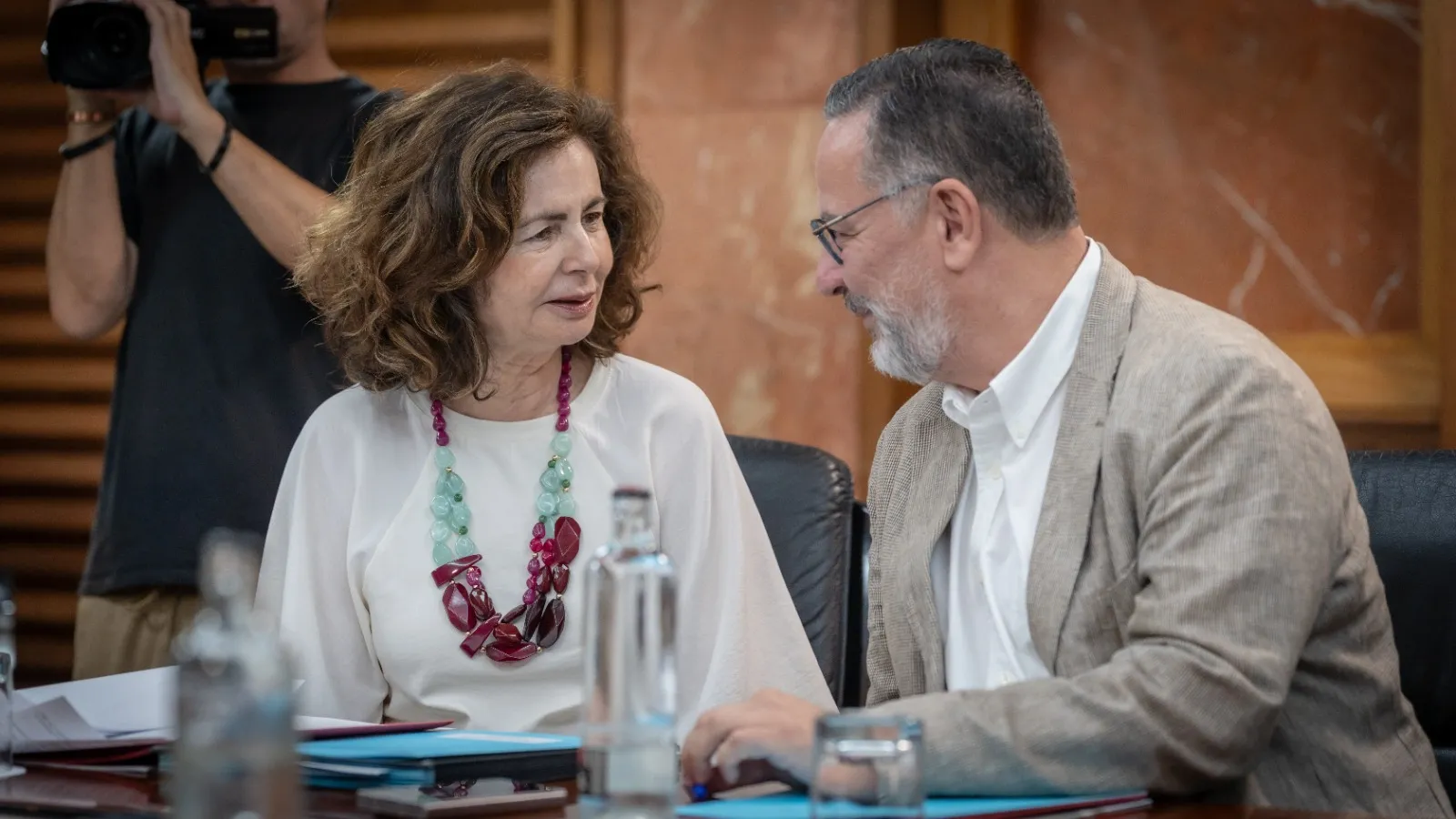
This discovery is the result of an agreement between the Spanish Ministry of Culture and the French Office for the Protection of Refugees and Stateless Persons (OFPRA), which enabled the digitization of approximately 180,000 refugee records. The president of the Association for the Recovery of Historical Memory of the island, Mercedes Pérez Schwartz, highlighted the significance of this work.
A preliminary study, conducted by historian and technical advisor Rubens Ascanio, offers an initial insight into the role of Canarians in the republican exile in France between 1939 and 1944. Although the Canarian presence was minor compared to other territories, the research confirms a significant, albeit still incomplete, footprint.
The analyzed data indicates that the identified individuals represent only 0.16% of the total digitized records. This underscores the limited ability to escape from the islands due to their geographical condition and rapid Francoist control, as well as the lack of complete records. Researchers note that many known names of Canarians who were in France are still missing, highlighting the ongoing need for documentary recovery.
The profile of these exiles is predominantly male (over 96%) and working-class, with a strong presence of day laborers, sailors, and unskilled workers. Professionals such as doctors, lawyers, and journalists were also identified, along with relevant figures linked to republican politics and the labor movement. Many demonstrated significant political involvement, affiliated with trade unions like the CNT and UGT, and parties such as the PSOE or PCE.
Some of these Canarian exiles participated in the French Resistance during the Nazi occupation, while others were deported to concentration camps like Mauthausen and Gusen, where high mortality rates were recorded. Among the 27 identified from La Palma are Aniceto Duque Pérez, who died in Mauthausen on March 24, 1942, and Domingo Henríquez Pérez, who died in Gusen on November 7, 1941, as well as Orencio Mata Rodríguez, who died in Gusen on July 27, 1941, and Victoriano Reyes Pérez, who died in Gusen on December 2, 1941.
The association emphasizes that this initiative is a fundamental step forward for historical memory, especially for remote territories like the Canary Islands. They call on citizens to collaborate in identifying individuals and completing the information available on the OFPRA website. Furthermore, they urge Canarian authorities to promote further progress in this area and strengthen similar projects in the archipelago, facilitating access for descendants of exiles to an essential part of their history.