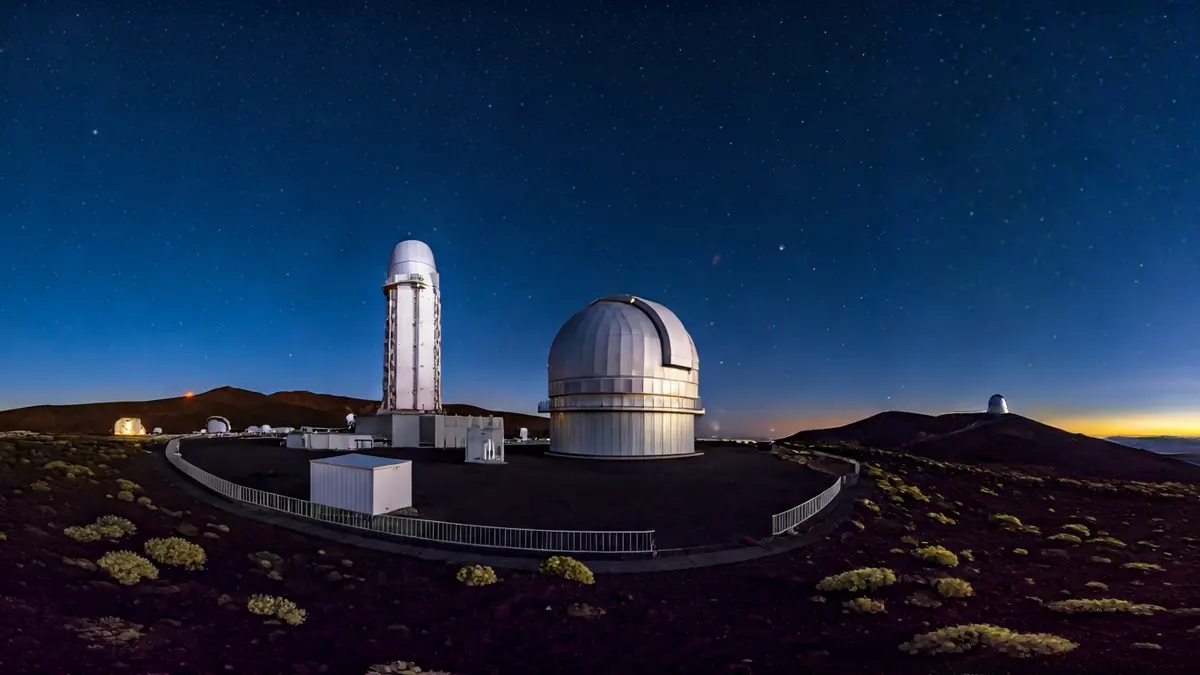
This project not only involves a top-tier scientific infrastructure but also promises to be a transformative engine with a direct impact on the economy, job creation, and the international positioning of the islands. The TMT, one of the major global astronomy ventures of the 21st century, has an estimated investment exceeding 1.4 billion euros and involves an international consortium including the United States, Canada, Japan, India, and China.
Its installation in La Palma would consolidate the archipelago's leadership in astrophysics and foster an innovation ecosystem. The benefits are clear and measurable: during the construction phase, hundreds of direct and indirect jobs are estimated to be created, in addition to highly skilled positions. The ripple effect would extend to sectors such as engineering, telecommunications, university education, scientific tourism, and astrotourism, multiplying the impact on the island's economy. The TMT could become a fundamental pillar for the economic diversification of La Palma.
The strategic dimension of this project has been reinforced internationally. The President of the Spanish Government, Pedro Sánchez, has addressed the TMT issue in his discussions with the President of China, highlighting the growing relevance of the bilateral relationship in science and technology. China's involvement, as part of the international consortium, could be decisive in the final decision regarding the project's location.
The Roque de los Muchachos Observatory offers unique conditions, such as internationally recognized sky quality, consolidated infrastructure, and a long history in astrophysical research. Added to this are institutional stability and the commitment of public administrations, key factors for building confidence in a project of this magnitude. Betting on the TMT in La Palma means betting on a more robust, sustainable, and competitive economic model, an initiative that transcends the local or regional scope.