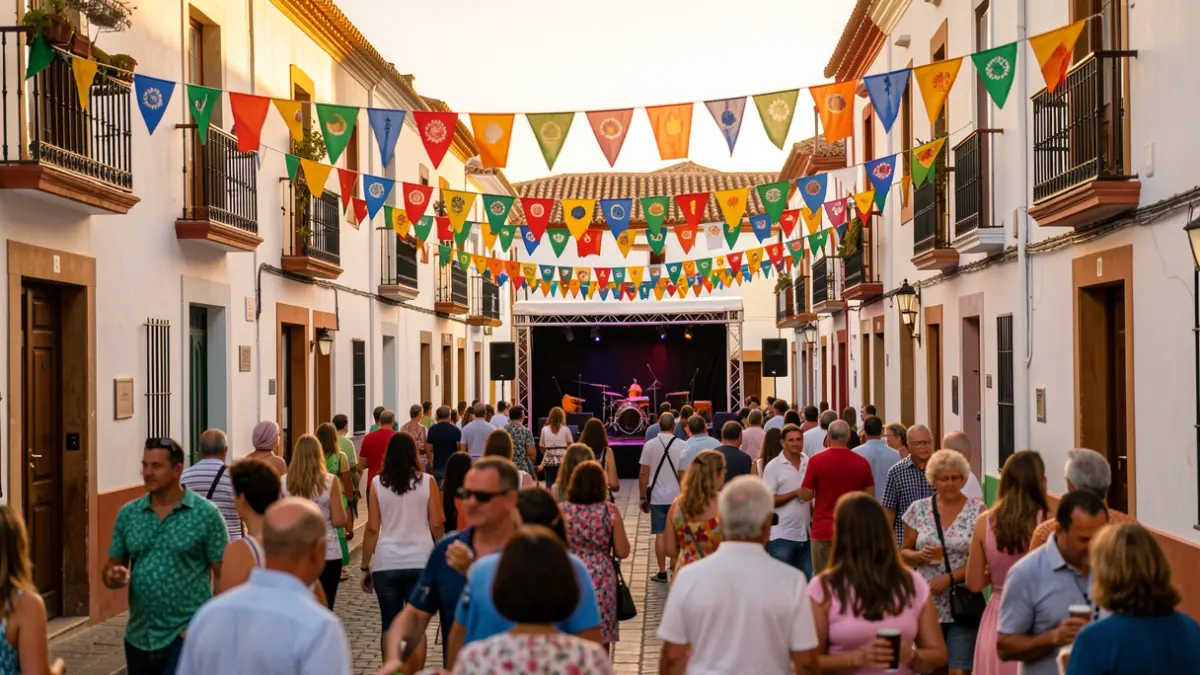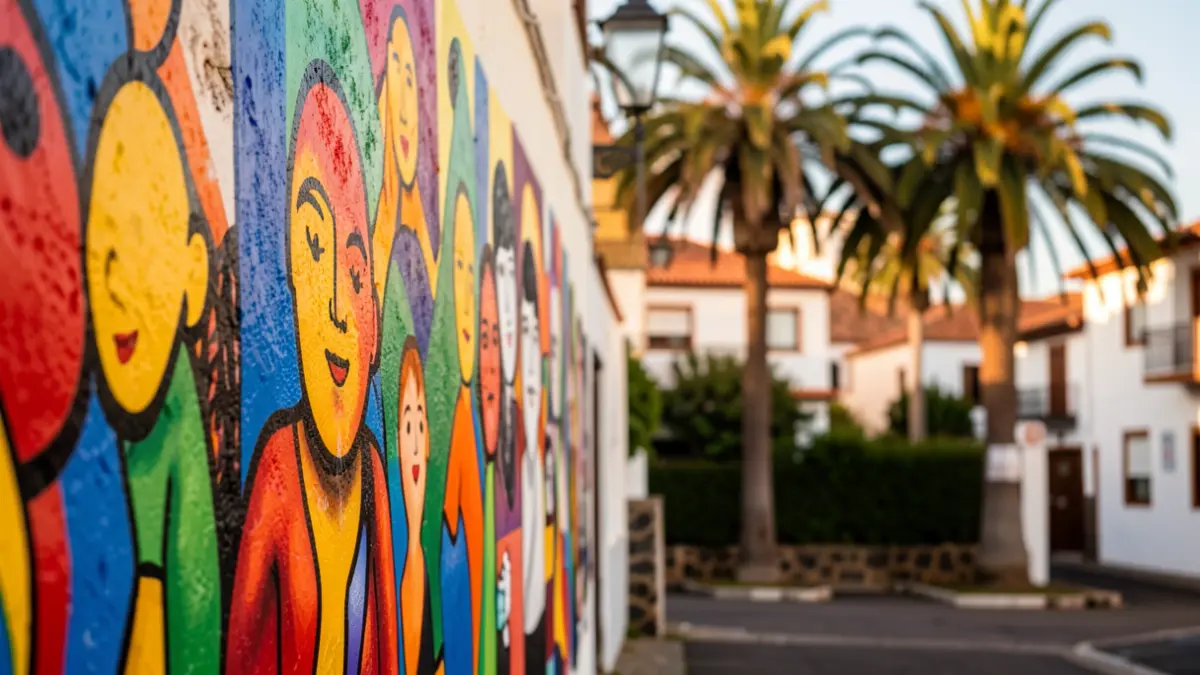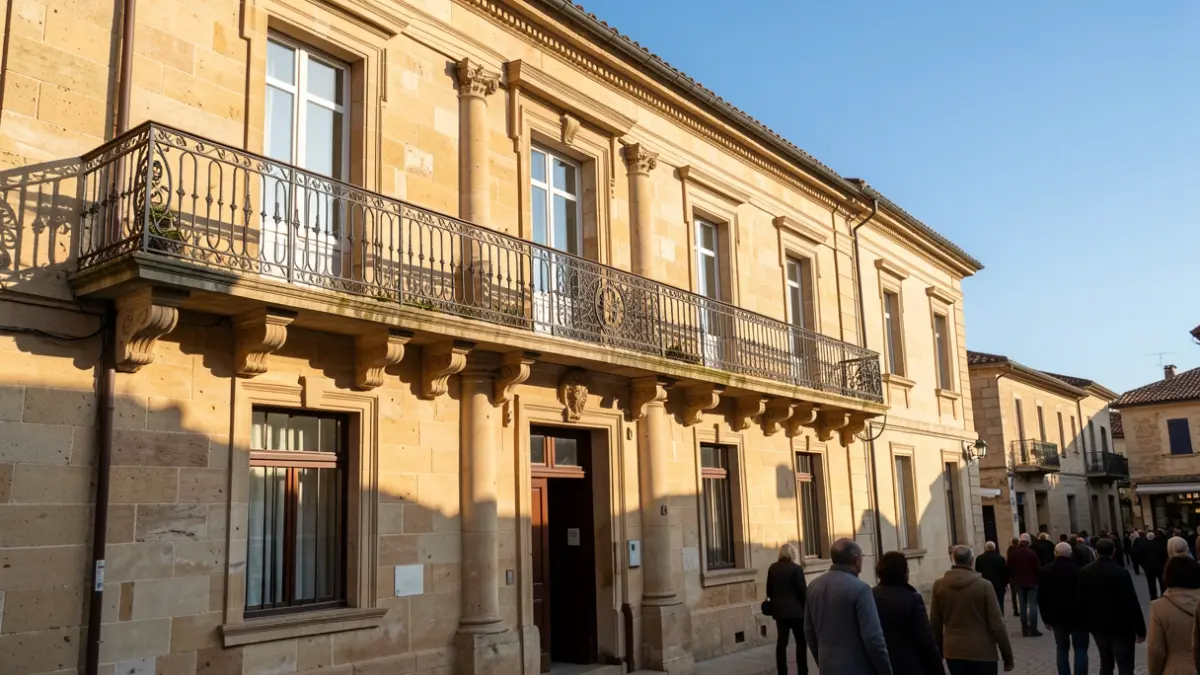
The University of Las Palmas de Gran Canaria (ULPGC) and the Architectural Association of London have collaborated on a comprehensive study of Agaete's architectural characteristics. For over a week, students and faculty traveled to the Gran Canarian municipality to analyze the relationship between local customs, folklore, and rituals, such as La Rama and the Las Nieves festivals, and the town's constructions. The primary focus was on historical water acquisition mechanisms.
The initiative, named 'Island Rain Architecture,' was spearheaded by architecture doctors María Páez and Brendon Carlin. The project stems from an interest in studying the archipelago's architectural singularities. María Páez, whose ancestors emigrated from La Palma, explained that Canarian architecture often revolves around water collection, particularly given the scarce direct rainfall and the presence of 'horizontal rain'.
The research, whose first edition took place in La Palma in 2024, focused on Agaete to understand the forms, locations, and development of its water infrastructure. Researchers observed that the Agaete area, from Tamadaba to the Puerto de Las Nieves, acts as a microcosm of island architecture, integrating Canarian houses, cisterns, and dams. The town's unique ecology, with an emphasis on its pine forests, was also highlighted.
María Páez noted that urban elements and infrastructure are intrinsically linked to the culture and way of life of each place. The findings will be compiled into an 'atlas' featuring architectural typologies through drawings, texts, and audiovisual material. A short film will soon be released to support future research on the influence of La Rama and culture on Agaete's urbanism.
This edition involved ten students from the ULPGC, China, France, Germany, and the United Kingdom, participating in a program that ran from July 27 to August 5. The students experienced La Rama on August 4, dancing with branches to the music of local bands like Agaete, Guayedra, and Clandestina, after studying its history.
The lecturer emphasized Canary Islands' potential as a 'microcontinent' for learning and exporting knowledge on popular architecture and water management. The islands' diversity influences water acquisition strategies, and Agaete, spanning from the summit to the sea, exhibits significant architectural richness. The project aims to research and learn from Canarian architecture with local experts, both academic and non-academic.
The study in Agaete also included conversations with local residents, particularly the elderly, to gather knowledge about their historical way of life. Architects Eva Llorca, Ricardo Javier Santana, and Jin Javier Taira from the ULPGC collaborated on the research, along with Human Geography expert Alejandro González, and anthropologists José Antonio Batista and Gabriel Hernández.