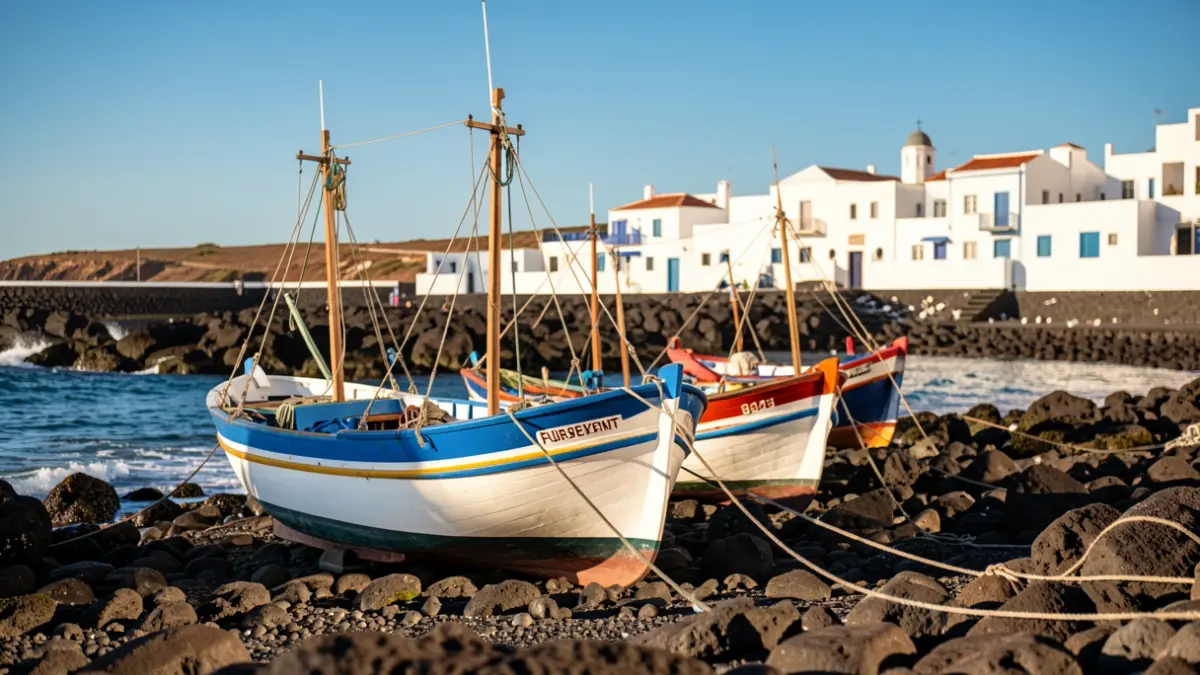
In the picturesque setting of Ajuy, within the municipality of Pájara, an emotional colloquium titled 'The Mariantes: Living Memories of the Sea' took place. Veterans such as León Avero Umpiérrez and Horacio Avero Umpiérrez shared their experiences and the wisdom passed down through generations, answering the fundamental question: what does it mean to be a mariante?
For nearly two hours, these guardians of maritime heritage detailed essential practices: caring for the cliffs, techniques for drying crabs, interpreting the weather through the sound of beach pebbles, and the unwavering unwritten law of hospitality in the 'estancias', ensuring no one slept exposed to the elements.
For over two decades, a group of veteran mariantes, led by León, Horacio, Juan José Betancort, Andrés, and Marcial, have revitalized this tradition every August 18th. They have been joined by new generations, sons and grandsons, ensuring the continuity of this ethnographic practice.
The day began early in Ajuy, preparing donkeys and loading fishing rods and gofio into the 'jena', a handmade palm leaf backpack. Their route took them from Ajuy to the 'estancia' of Agua que se acaba, on the coast of Betancuria, or even to El Jurado, ascending El Cantil and following the coastal path.
The return the following day, laden with fish and seafood, turned Ajuy into a celebration. However, the mariante's work could extend for weeks, dedicated to fishing, gathering shellfish, sun-drying fish, collecting sea salt, and catching limpets and sea snails.
During the colloquium, the figure of Pedro Cabrera, another lifelong mariante, was remembered. His knowledge of the terrain was so profound that 'he could tell you every stone you could step on without falling,' as recounted by León Avero.
Originally, the seasonal migration of mariantes to the northern coast of Fuerteventura occurred during the long tides of September. This period offered more hours of sun for drying fish and seafood, crucial before the first inland harvests and for securing sustenance.
The scarcity of bread contrasted with the abundance of fish and seafood, which was preserved for the rest of the year. Limpets and sea snails were stored in vinegar, while crabs, after being roasted and dried, became crispy 'flakes', a delicacy to add to rice dishes and paellas.
Tollo (dogfish) and viejas (parrotfish), due to their low fat content, were the preferred fish for drying and bartering. The presence of 'green cliffs', covered in sebas (seaweed), was interpreted by elders as a sign of rain.
Rock formations and the sound of the sea in areas like Las Salinas served as a natural 'weather report', indicating changes in weather and sea conditions.
Sustainability was a fundamental pillar. Mariantes and professional fishermen maintained a deep respect for the coast, avoiding pollution of the tidal pools and caring for the salt, even refraining from washing hands dirty with bait or fish in the pool water.
Sea salt collection was preferably done at dawn, before the heat caused the salt to stick to the bottom of the pools.
The 'estancias', communal huts, were vital for rest and shelter. No one occupied an 'estancia' completely, always leaving space for other mariantes, reinforcing the solidarity and communal nature of this tradition.