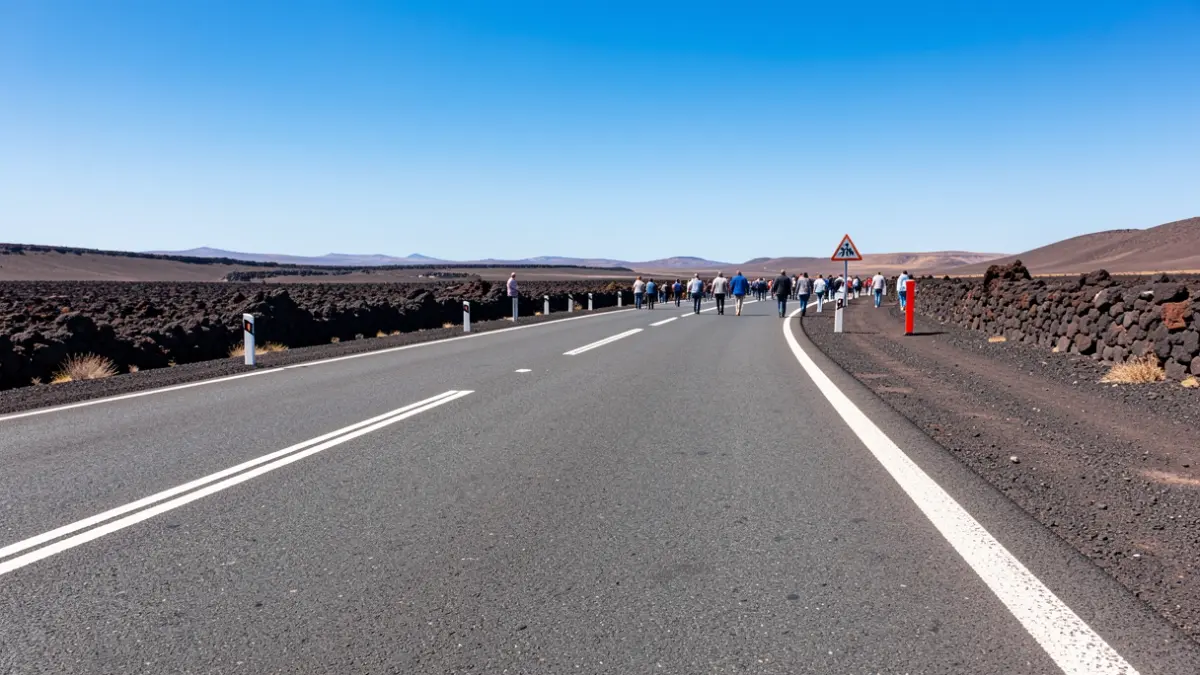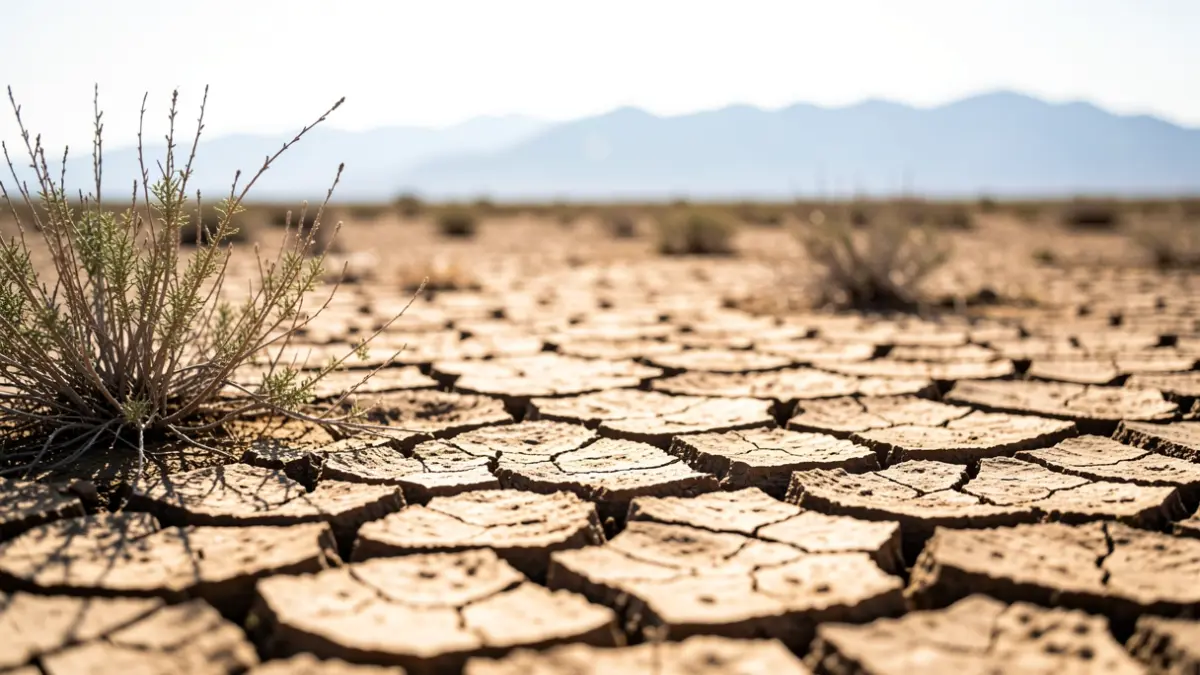
The Operational Unit for Security and Emergencies of the City Council of Santa Lucía de Tirajana is monitoring the Alert situation for maximum temperatures and risk of forest fires declared by the General Directorate of Security and Emergencies of the Government of the Canary Islands. According to the State Meteorological Agency (AEMET), the highest temperatures could exceed 40 degrees Celsius this Monday in the Tejeda basin and the midlands of the Southeast. Faced with this scenario, the picnic area has been closed, and a Civil Protection firefighting vehicle has been deployed in the upper area.
The mayor of Santa Lucía de Tirajana, Francisco García López, issued a decree this Monday stating that the high-temperature episode, effective from 11:00 AM on August 3, 2026, will last for several days. The greatest impact is expected in Gran Canaria, particularly affecting the Tejeda basin and the southeast and west midlands, with the possibility of locally exceeding 40 ºC. A warm and dry environment is anticipated, with possible weak dust haze, although no significant surface dust concentrations are initially predicted.
The decree details that the Operational Unit for Security and Emergencies will continuously monitor the situation, with the possibility of adjusting the activation level or territorial scope based on updates to meteorological forecasts and advisories issued by the DGSE.
The City Council has disseminated recommendations through its website and social media, urging residents to avoid prolonged sun exposure, stay hydrated (especially children and the elderly), and reduce outdoor physical activity during the hottest hours of the day. It is advised to walk in the shade, use umbrellas on the beach, and seek cool or air-conditioned places. The importance of never leaving children or the elderly in closed vehicles is reiterated.
Further recommendations include consuming light meals and drinks rich in water and mineral salts, such as fruits and vegetables, to replenish salts lost through sweat. Alcoholic beverages and very hot, high-calorie meals should be avoided. Finally, citizens are encouraged to help others by visiting elderly or sick individuals living alone once a day.