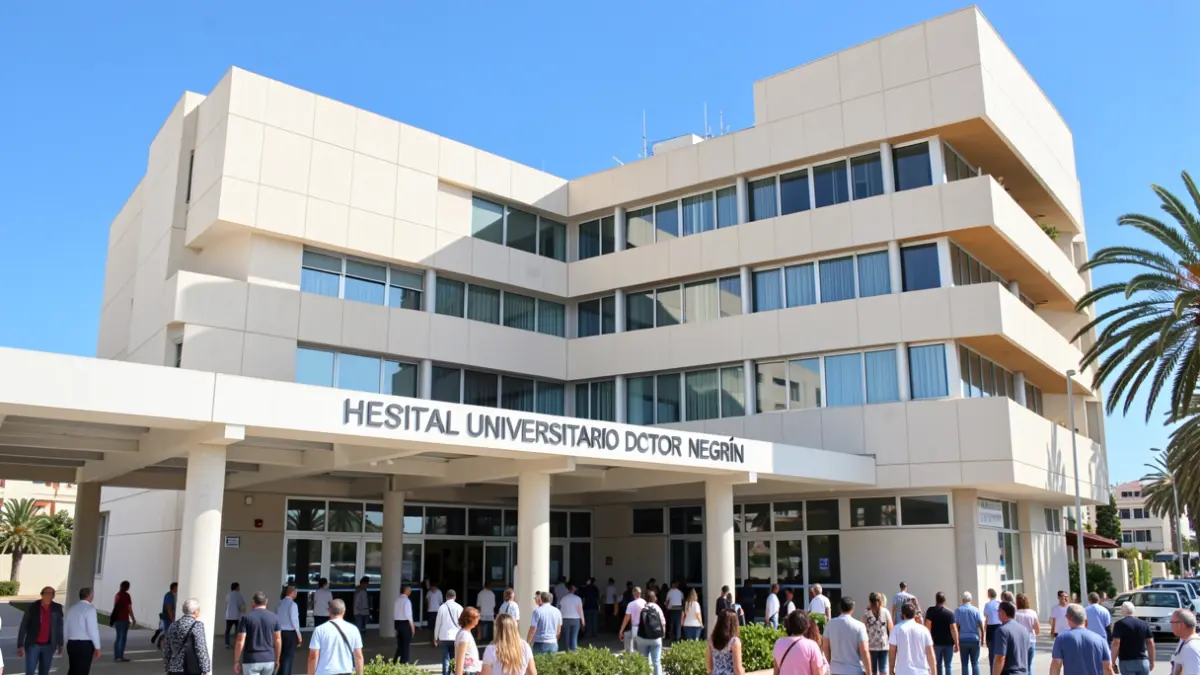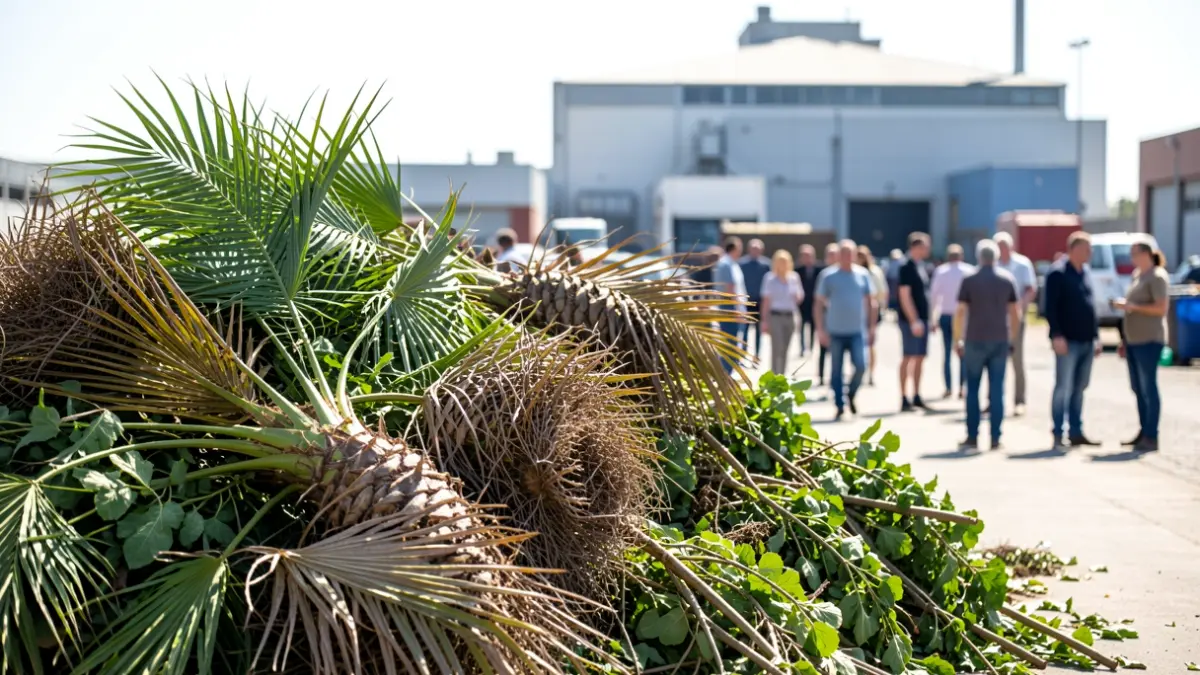
Over 40 private companies report being affected by the measure preventing them from depositing palm pruning waste at the Gran Canaria Sur Ecopark. Transport operators from the south of the island are now obliged to take this waste to the northern facility in the Salto del Negro area. This change, they criticize, has resulted in increased fuel consumption and a reduction in the number of daily trips they can complete.
The Environment Department of the Cabildo de Gran Canaria explains that the primary reason for this measure is to prevent the accumulation of this vegetal residue at the South Ecopark, thereby reducing the risk of fires due to the high temperatures experienced this summer in Juan Grande.
This restriction applies only to private companies, while Municipalities can continue to use the facilities in Juan Grande. Business owners and workers criticize this decision, considering it a "favorable treatment" for the town councils, with private companies being the sole sufferers. Vicente Martel, owner of a waste transport business affected by this measure, states there is a "collapse because the facility's machinery is incapable of handling the amount of waste arriving from the southern area." Martel understands that actions must be taken to prevent potential fires but criticizes that "private entrepreneurs always pay the consequences."
The insular director of Environment, Elisa Monzón, explains that the decision prioritizes public service and aims to minimize impact on the private sector by restricting only palm pruning deposits while allowing other types of waste. Monzón affirms that the Department has "calculated the tons of accumulated material" and resolved to implement this measure to "maximize the reduction of fire risk as it is combustible material."
Company owners criticize the increased fuel costs incurred by having to travel from the south of the island to the North Gran Canaria Ecopark, which they must "pay out of their own pocket." Martel highlights that the number of trips his workers can make has significantly decreased, from an average of four journeys to just two. Furthermore, the transporter points out that he learned on July 30th about the inability to deposit palm pruning at the Juan Grande facility starting July 31st. Martel urges the Cabildo to provide at least 15 days' notice for companies to organize themselves.
Adding to this situation, the closure of the northern bypass due to waterproofing work on the Guiniguada viaduct has caused numerous traffic jams, particularly in Las Palmas de Gran Canaria. A transport company worker, who preferred to remain anonymous, states that the inability to deposit palm pruning at the southern facility has led to a collapse at the North Gran Canaria Ecopark due to the increased vehicle flow. He notes that "waiting times to drop off waste have extended up to two hours."
The insular director of Environment explains that this decision is common in operational plans, as having two ecoparks usually involves diverting waste when one becomes saturated. She also mentions a recent machinery breakdown at the southern facility that caused an unusual accumulation of pruning waste, compounded by an increase in this type of vegetal residue during the summer, leading to the implementation of this measure.