This area, known as the tourist heart of the archipelago, stands out for its combination of environmental, climatic, and lifestyle factors that place it at the forefront of national well-being. Covering over 333 square kilometers, it is the largest municipality on the island and a successful model that extends beyond its sun and beach attractions.
The Zava report highlights several fundamental pillars that justify this distinction. Air quality is exceptionally high, thanks to the constant influence of trade winds that purify the atmosphere of polluting particles. Furthermore, the privileged climate, with mild temperatures year-round and optimal solar radiation for vitamin D synthesis, acts as a natural preventive against respiratory and bone diseases.
Living in the Canary Islands, and specifically in this southern point, translates into greater exposure to natural light, which regulates circadian rhythms and significantly improves the mental health of its residents.
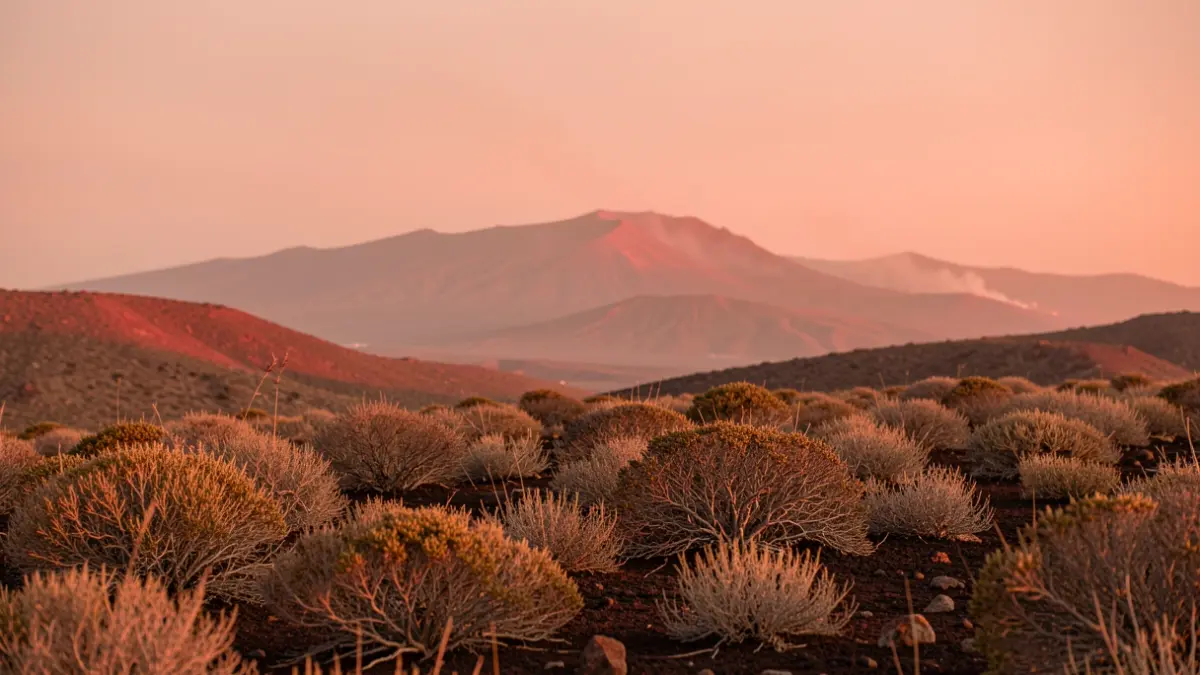
The municipality presents a fascinating duality. Along the coast, areas like Maspalomas, Playa del Inglés, and Meloneras offer top-tier tourist infrastructure that promotes active aging and outdoor sports. Inland, the Pilancones Natural Park and the Caldera de Tirajana provide a pristine environment ideal for hiking and digital disconnection, aspects positively valued by the study for combating chronic stress.
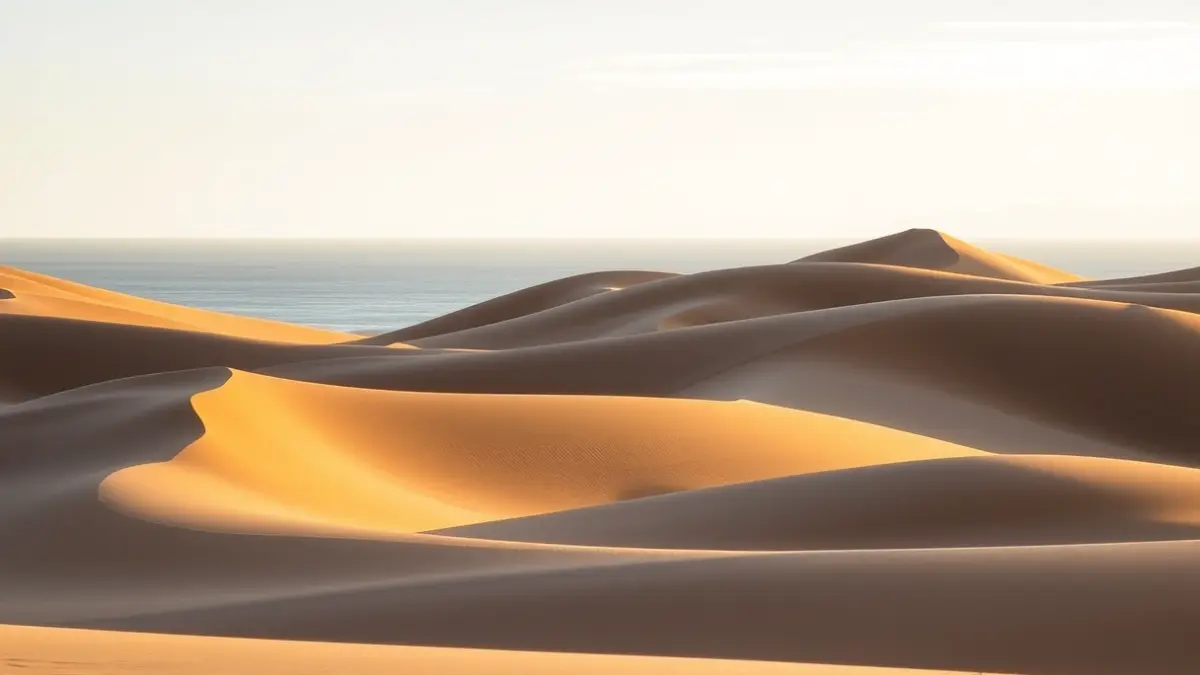
Since the second half of the 20th century, San Bartolomé de Tirajana has evolved from an agricultural territory into an economic engine for Gran Canaria. This transformation has allowed investment in public services and the conservation of the Maspalomas Dunes Special Natural Reserve, a vital ecosystem that regulates the local climate and offers a unique healthy recreational space in Europe.
Despite tourist development, the administrative capital in Tunte and towns like Fataga preserve traditional Canarian architecture and rural customs, contributing to social cohesion and well-being. The local diet, based on regional produce, enhances the nutritional health of its inhabitants. In essence, San Bartolomé de Tirajana is a successful model that prioritizes the quality of life for both residents and visitors.