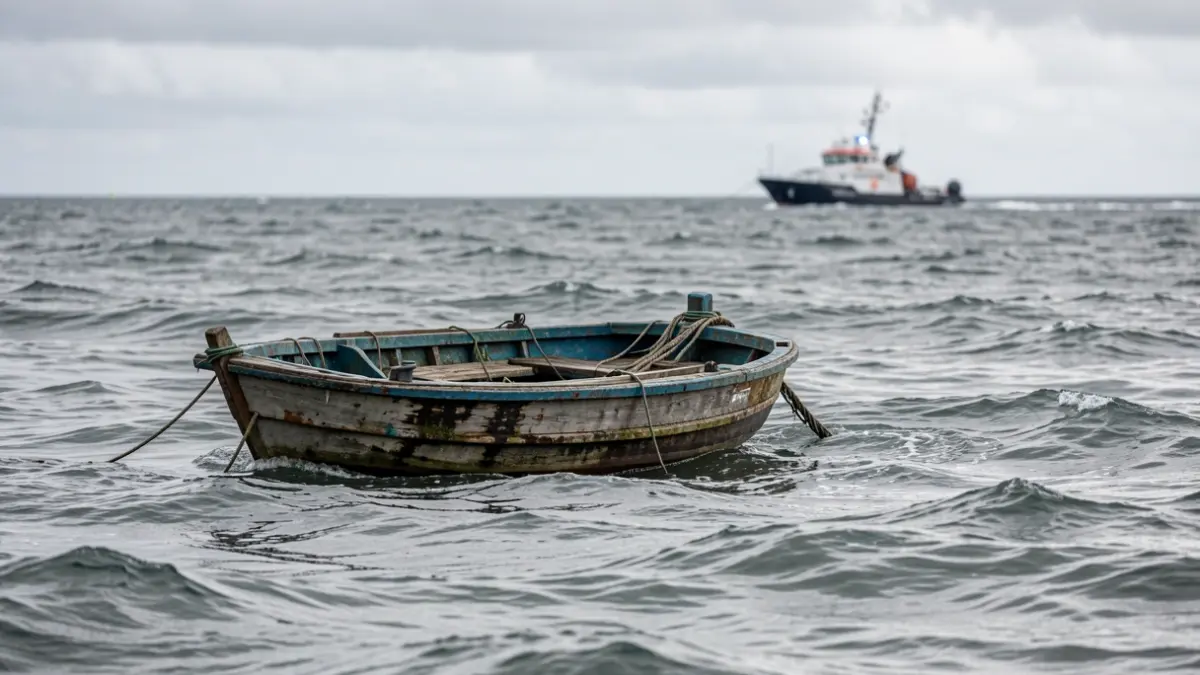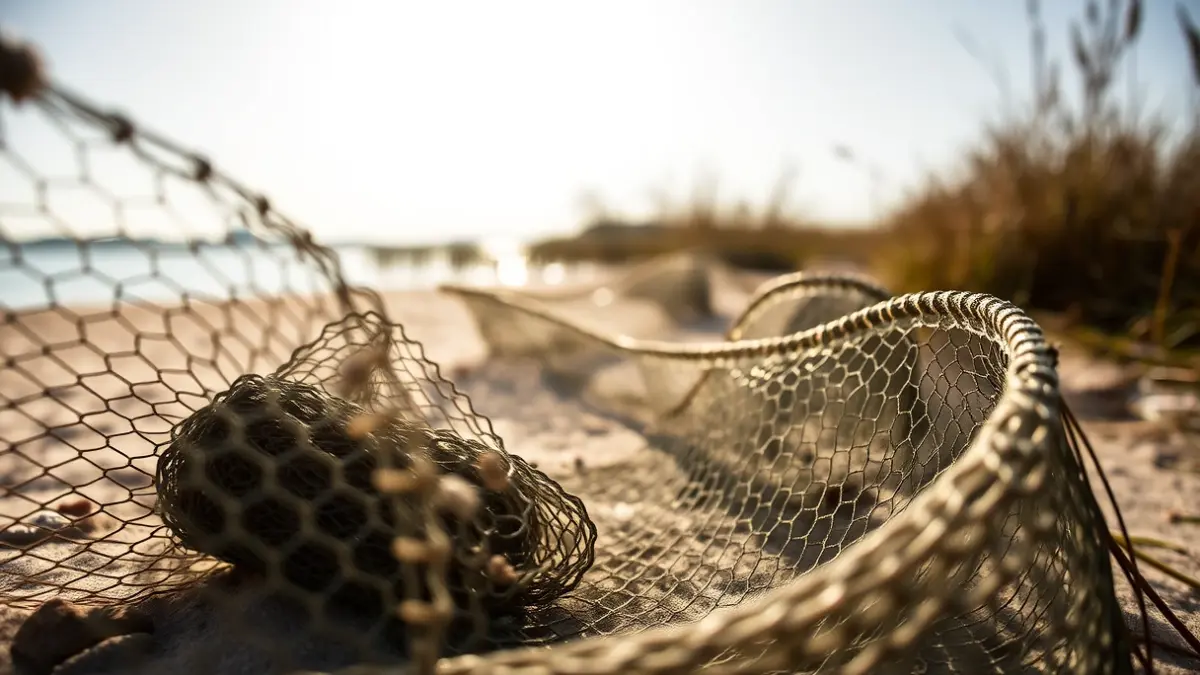
The arrival of this species, recognized by authorities as difficult to eradicate, has prompted collaboration between the Cabildo and Canarian universities to develop action strategies. Among the measures adopted, traditional fishing methods, such as traps (nasas), are being used to capture specimens.
The intense rainfall from the recent storm caused ravines to overflow, including the Maspalomas ravine, which supplied fresh water to the Pond from Fataga. This phenomenon, not seen since 2018, has allowed the ecosystem to regenerate but has also facilitated the proliferation of tilapia.
Following the flood, a multiplication of fish from the tilapia family has been observed, suggesting they may have come from inland dams. This finding is crucial for understanding their original source and drawing new conclusions about their spread.
A joint project between the University of Las Palmas de Gran Canaria, the public company Gesplan, and the Cabildo has been studying the biodiversity of the Pond. The objective is to analyze the fauna settled in the lagoon and the impact of invasive species such as Mozambique tilapia, which since 2024 has dominated the ecosystem after displacing other species, and the blue crab.
Island authorities suggest that the origin of this marine plague may be in the island's interior, where it could have been previously introduced into one of the basin's dams, then carried to the tourist coast by the floods.
Currently, traps are being used as part of the university study for tilapia collection, and the implementation of other fishing techniques like the seine net is being evaluated. The collected data are essential for making scientific decisions to control the spread of this invasive species and restore the area's balance.
The study, which began in October with the first sampling, will last for one year with monthly collections. This monitoring will allow researchers to understand the evolution of fauna, analyze the increase or decrease of invasive species, and observe variations in their size and development during the reproductive cycle. Both tilapia and blue crab are predators that compete with local fauna for food and space.
The Maspalomas Pond is part of the Maspalomas Dunes Special Natural Reserve, a protected area of 403.9 hectares, valued for its ecological, landscape, and ornithological uniqueness.
In addition to the invasive species problem, the Maspalomas Pond ravine has accumulated a large amount of reeds, plastics, and other waste carried by the flood, posing a risk of marine pollution and foul odors. Authorities are waiting for the ground to dry and for necessary permits to be obtained so that the City Council can bring in machinery and continue with cleanup efforts.