August 20, 2008, is forever etched in collective memory, particularly in the Canary Islands. On that day, Spanair flight JK5022, traveling from Madrid to Gran Canaria, suffered a tragic accident shortly after takeoff from Barajas Airport. Onboard were 172 people; 154 lost their lives, and 18 survived, many with permanent injuries.
Every summer, families and loved ones gather to honor the victims and keep their memory alive. Commemorative events are held in both Madrid, the site of the crash, and Gran Canaria, the intended final destination. The accident became one of Spain's major air disasters, leaving a profound impact on 154 families.
The Association of Victims of Flight JK5022, formed shortly after the tragedy, continues its demands for truth, justice, reparation, and memory. Despite Spanair's bankruptcy in 2012 and the closure of the judicial case, the organization uses the anniversary to call for lessons learned that enhance air safety and victim support.
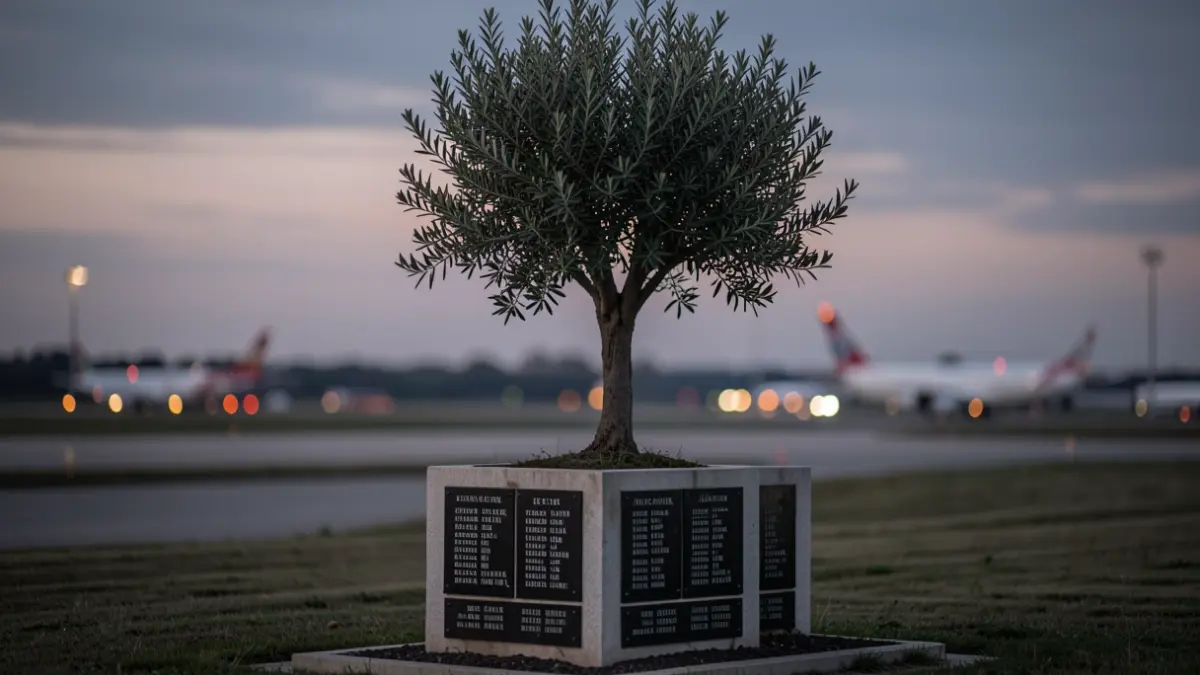
In Madrid, tributes include plaques bearing the names of the deceased and an olive tree at Adolfo Suárez-Madrid Barajas Airport, as well as a monument in Juan Carlos I Park. Meanwhile, Gran Canaria remembers the victims at the 'Luces en el vacío' monument and the Plaza de la Memoria 20.08.2008, which features a glass wall with passengers' names.
Since 2025, August 20 has been designated the National Day of Victims of Air Accidents and their Families, a date established by the Spanish Government in response to a long-standing request from the association. The first official commemoration took place last year, marking the 17th anniversary.
Subsequent investigations into the accident, which initially focused on the pilots, revealed a chain of systematic failures. The 2021 Investigation Commission pointed to Spanair's financial situation, the automatic renewal of the aircraft's Airworthiness Certificate, a technical failure in relay R2-5, and crew pressure. These factors contributed to the takeoff initiation without correctly configured flaps and slats, and the failure of the warning alarm TOWS.
The commission identified technical and political responsibilities at various control levels. The Association of Victims insists that these lessons must serve to prevent future tragedies and strengthen air safety and victims' rights.