For three years, Adú, a 12-year-old Cameroonian boy who arrived in Canarias by cayuco (small boat), trained six hours a week with a football team in Tenerife but mostly watched matches from the stands. The Interinsular Football Federation of Tenerife had prevented his registration due to a FIFA regulation intended to stop the signing of child prodigies from third countries, a rule that did not fit the reality of thousands of minors under the care of the administration or in foster families, with legal residency and attending school.
Following a combative last year and a half, involving letters from Adú (a pseudonym to protect his identity) to FIFA, multiple media appearances, and the intervention of the Canary Islands government and the Ombudsman, the situation has changed. An order issued last April by the Government of the Canary Islands states that FIFA regulations cannot override Spanish legislation, thus unblocking the situation for him and hundreds of children in similar circumstances across the islands, about ten of them in various categories at his own club.
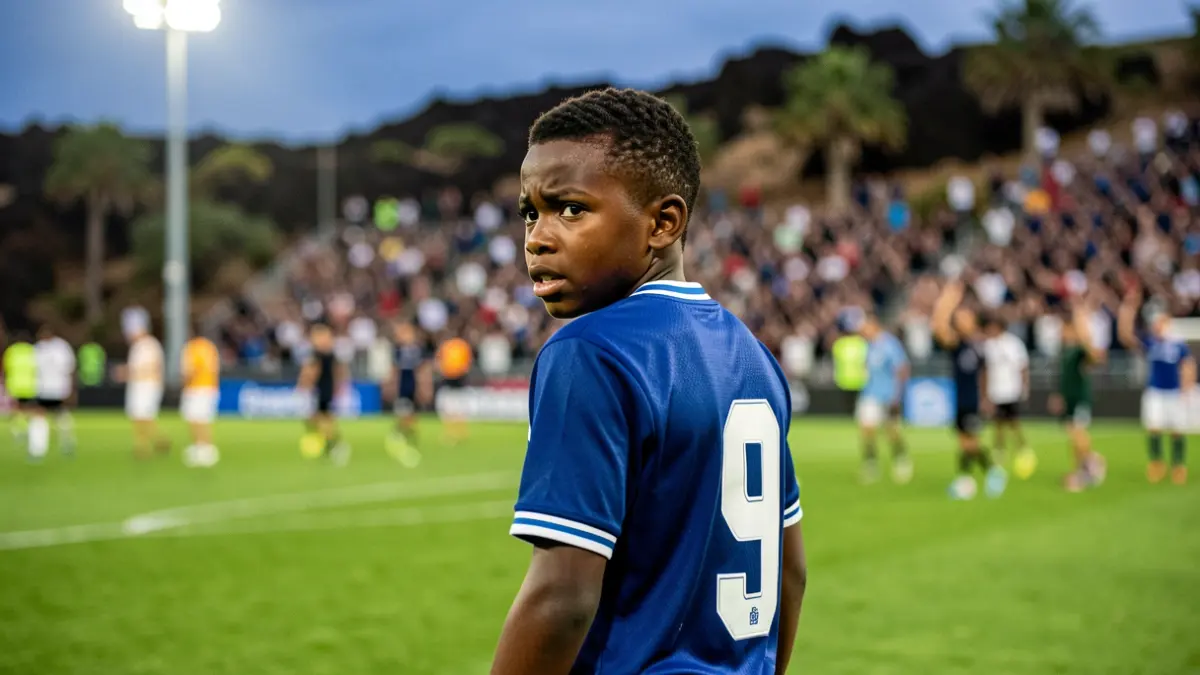
Now, Adú plays as a center forward wearing the number 9 jersey for his team in northern Tenerife, and even holds the captain's armband. "Very well, I didn't expect it. I was really looking forward to it. I was a little nervous, not much," the youngster comments, already thinking about celebrating goals like his idol, Kylian Mbappé. Although he has played the last two matches of the season, he will continue to build rhythm with the U13 team, his registered category, while playing with the U15s.
His foster father, Eduardo, emotionally recounts to EFE the moment when all the children in similar situations received the paperwork to fill out and sign, enabling them to play the following weekend. "Ultimately, it's about children," he notes. For Adú, this change has been "like taking a weight off his shoulders" after years of waiting and his persistent desire to continue playing football. "It doesn't matter if they lose, he can now play with his teammates, he can train, and he knows he can participate on weekends," summarizes Eduardo.
Eduardo also highlights the "downside" of the process: the amount of hate received, particularly on social media after his story was published. "The good part is that the bureaucratic problem has been solved, but the downside has been the inappropriate comments about something affecting 12-year-old children," he laments, criticizing the lack of empathy and the spread of "hate and lies" regarding Adú's age or situation. He believes these comments stem more from "ignorance" and advocates for "turning a deaf ear" to them.