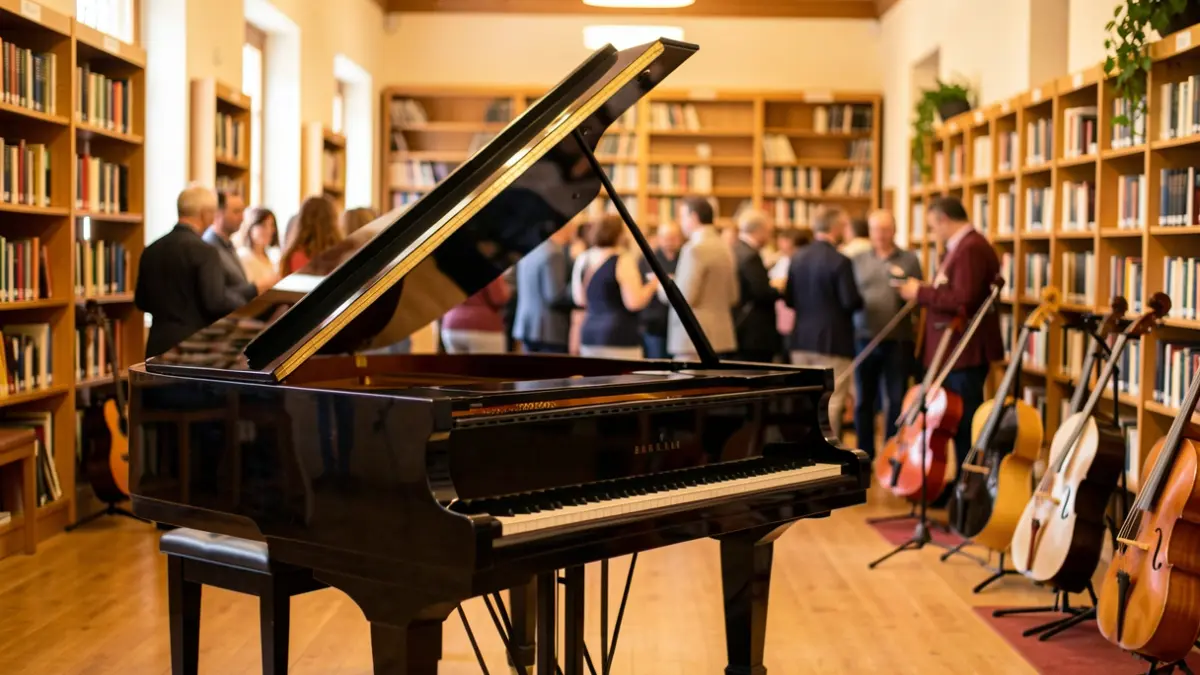
Born in Santa Cruz de Tenerife in 1971 and a resident of La Laguna for decades, David Ramos Martel, a pianist and educator, has dedicated his life to music. From his position leading the Guillermo González Municipal Music School, he argues that these institutions are much more than places to learn an instrument; they are hubs of culture and vital experiences for the municipality.
His connection with music began accidentally at the age of four, after seeing a pianist perform at a hotel in Puerto de la Cruz. This impression led him to teach himself piano at six, despite no musical background in his family. Although his family was always supportive, there was a social stigma surrounding the insecurity of a musical career, a perception he believes has lessened over time.
Ramos Martel explains that his decision to pursue music professionally was not an early choice but a natural evolution. While as a child he dreamed of being the best performer, he later understood the challenges of living solely from interpretation, which led him to teaching as a sustainable and enriching option. Teaching, he states, is a daily mirror that promotes continuous improvement and deepens the understanding of musical practice.
After completing his higher studies in Madrid, where he also taught, he returned to Tenerife in the late 1990s. The shift towards municipal music schools was initially a 'shock' for many accustomed to a more academic model. However, Ramos Martel highlights the immense potential of these schools, which he views as municipal 'cultural agencies' capable of integrating various artistic disciplines and generating meaningful projects for the community.
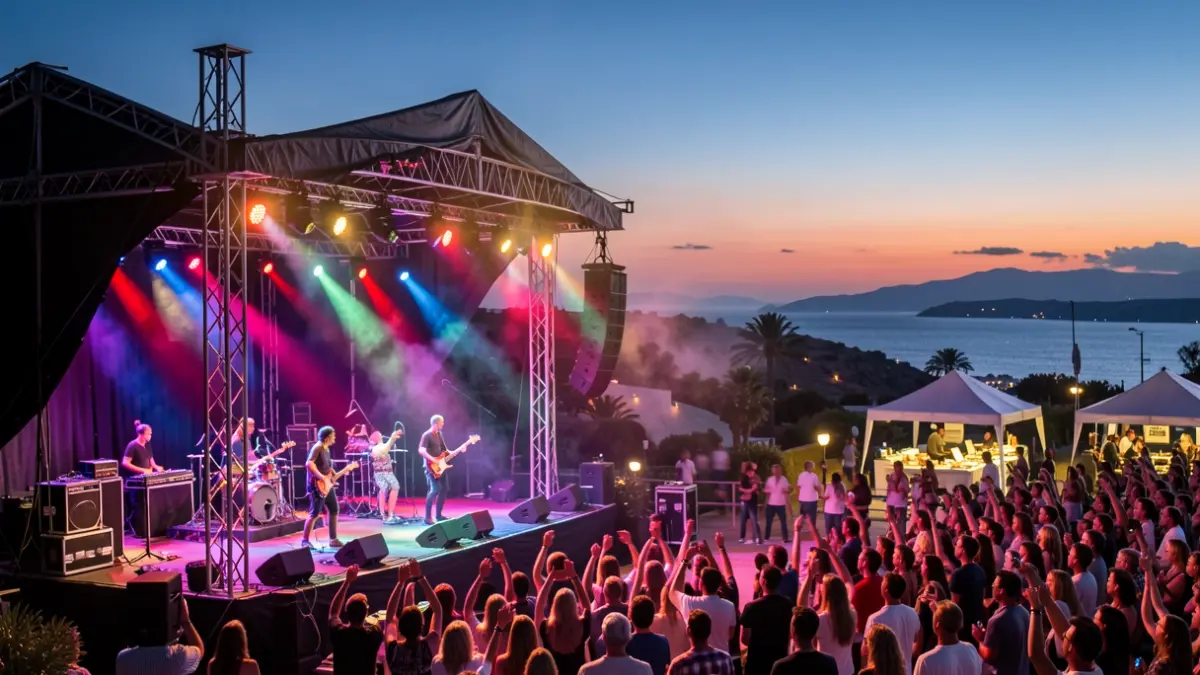
He emphasizes the importance of each school connecting with its municipality and cultural identity, using music as a vehicle to create projects that motivate the community, especially younger generations. The diversity of ages in the classrooms, where grandparents and grandchildren can learn together, is seen as a source of mutual enrichment, both musically and personally. He also points to inter-school projects and ensembles that bring together students from different schools, fostering valuable experiences beyond the final artistic outcome.
For Ramos Martel, the primary goal is to provide 'musical experiences' to society as a whole, creating a return to the municipality. On a personal level, teaching represents a close relationship where music serves as a channel for expression. Although management responsibilities consume much of his time, limiting his piano practice, he remains connected to music through composition. The feeling of 'building something' and witnessing the emotional connection with students is what continues to motivate him after all these years.