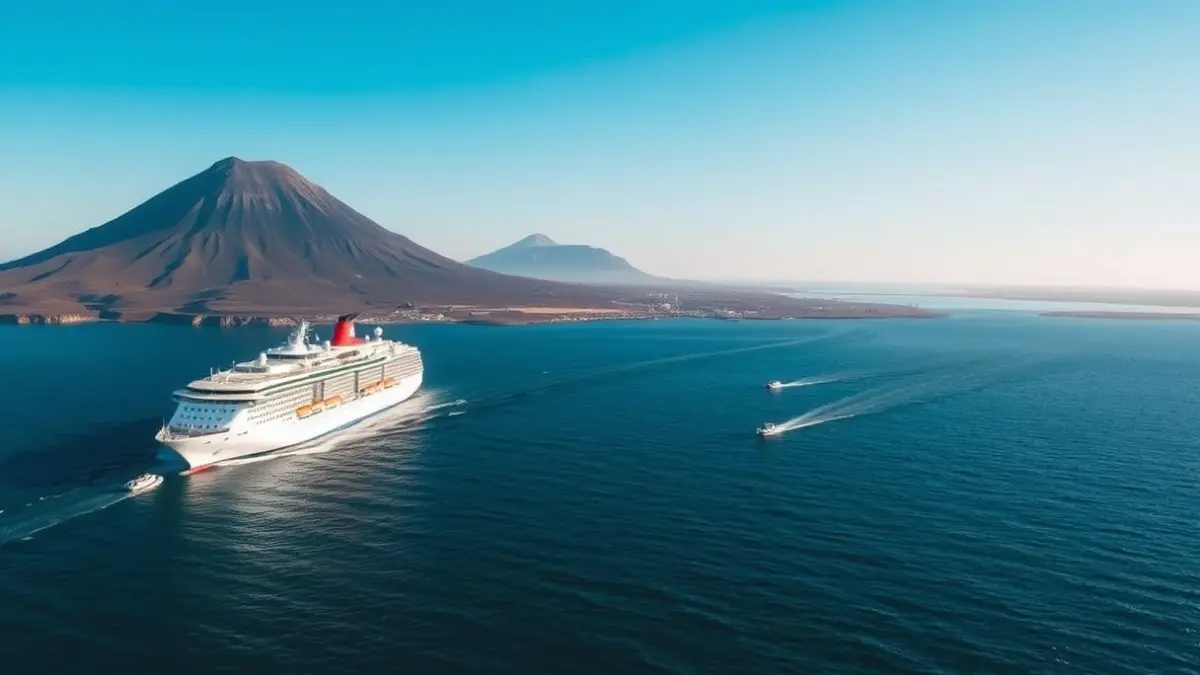
The measure, promoted by the regional administration, aims for a supposed increase in health security by preventing the vessel from directly touching land. However, experts have expressed reservations, noting that disembarkation by small tender boats from the anchorage to the pier could complicate the operation.
This transfer process by boat implies more time and more complex logistics compared to direct docking. Once ashore, passengers will be transported by bus to Reina Sofía-Tenerife South Airport to fly to their countries of origin, a procedure that would be identical if the ship had docked.
“"Anchoring or docking does not influence whether there are more risks or fewer risks. Among other things, because the risk associated with hantavirus is very low. For the population of our land, it is extremely low."
Weather conditions in the anchorage area, characterized by trade winds reaching average speeds of 20 kilometers per hour and exceeding 30 km/h at certain times of the year, could further hinder disembarkation, especially for elderly individuals. This area is known for hosting world windsurfing championships.
The only advantage some port experts identify in anchoring is the minimal probability that rodents aboard the vessel, the Hondius, could transfer to land or vice versa. Nevertheless, it has been highlighted that the ship has strict hygiene measures and safety discs on its moorings to prevent animal passage.