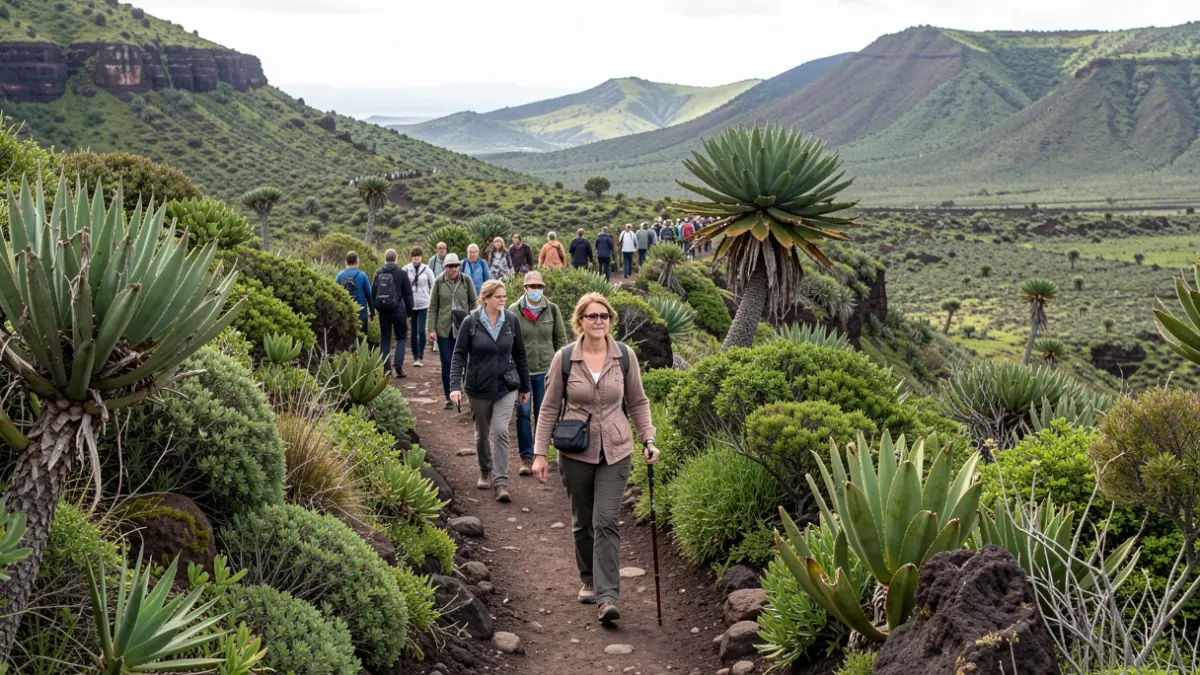
Sandra Ramos, a nature guide originally from Los Silos, has issued a stark warning about the negative impact that mass tourism is having on Tenerife's natural environment. Ramos, whose project is based on guided tours with a strong cultural and conservation component, believes the island is suffering environmental "devastation" at an "accelerated pace".
Ramos emphasizes the importance of knowing the environment to conserve it and advocates for mandatory environmental education in schools. While acknowledging the usefulness of regulatory measures in natural spaces, such as those implemented in Teide National Park, she insists that these must be accompanied by effective monitoring to ensure compliance. "The measures seem good to conserve our natural spaces, limits must be set," she states, "It cannot be that what has happened so far continues. Any national park or protected natural space in the world has rules and they must be followed. But they also have to monitor that they are complied with. If there is no surveillance, they are useless."
The guide criticizes the overcrowding in emblematic locations like Teide and Anaga, which hinders the visitor experience and affects wildlife. "I'm hardly going to work in Anaga anymore due to the mass of cars and people," she explains. "Birds won't be where there's so much human pressure. And I don't feel like continuing to contribute to that saturation."
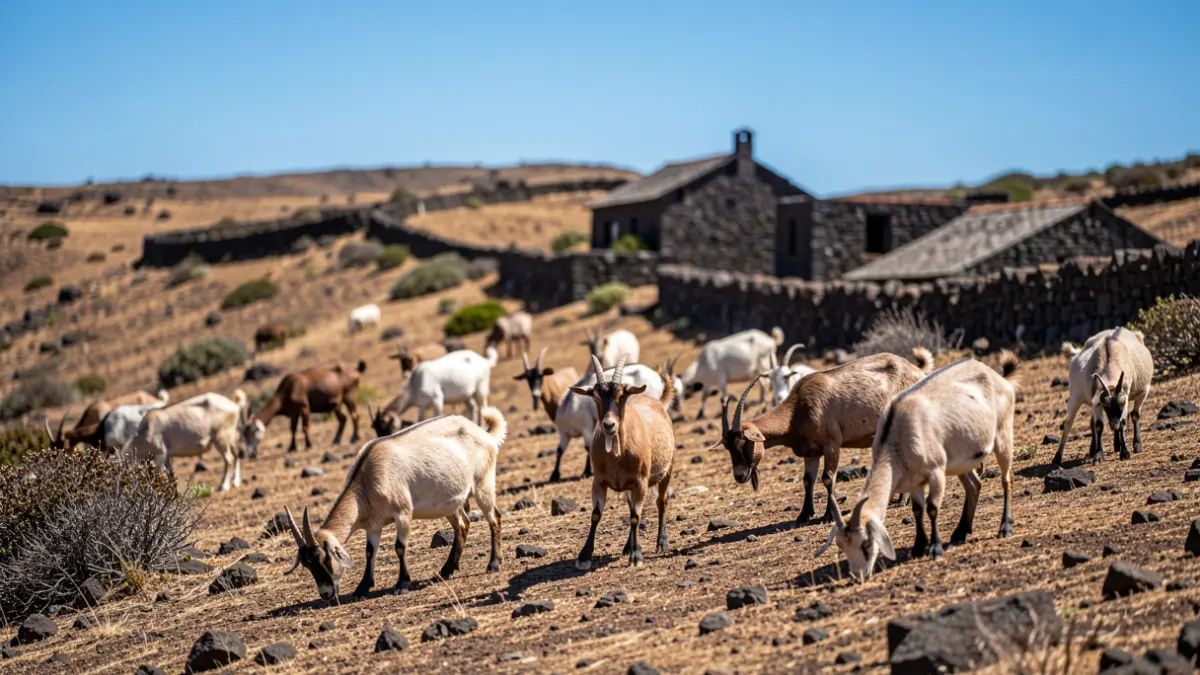
Her project, named Navaea (after an endemic plant from Tenerife), aims to offer a "feminine perspective" on active tourism, using the color violet in its logo. Her activities include interpretive hiking, ethnographic routes, bird watching, and environmental workshops, highlighting the island's natural and cultural heritage. "I'm interested in talking about the hands that produce these products, the land where they are grown or made, the related landscapes, the families behind them, and the stories that exist," she details about her innovative concept of "landscape tastings."
Ramos also emphasizes the importance of the local economy and "zero kilometer" principles, ensuring that the groups she guides patronize local restaurants and family businesses so that economic benefits remain within the territory. "I am very interested in zero kilometer, local restaurants, family projects, and ensuring that money stays in the territory," she assures.
Despite concerns about the current state of the environment, Ramos remains optimistic about the future, placing great hope in the new generations. "I believe we need to focus heavily on educational centers and conduct more environmental education activities in classrooms," she concludes. "If we don't know what's around us, we'll hardly take care of it."