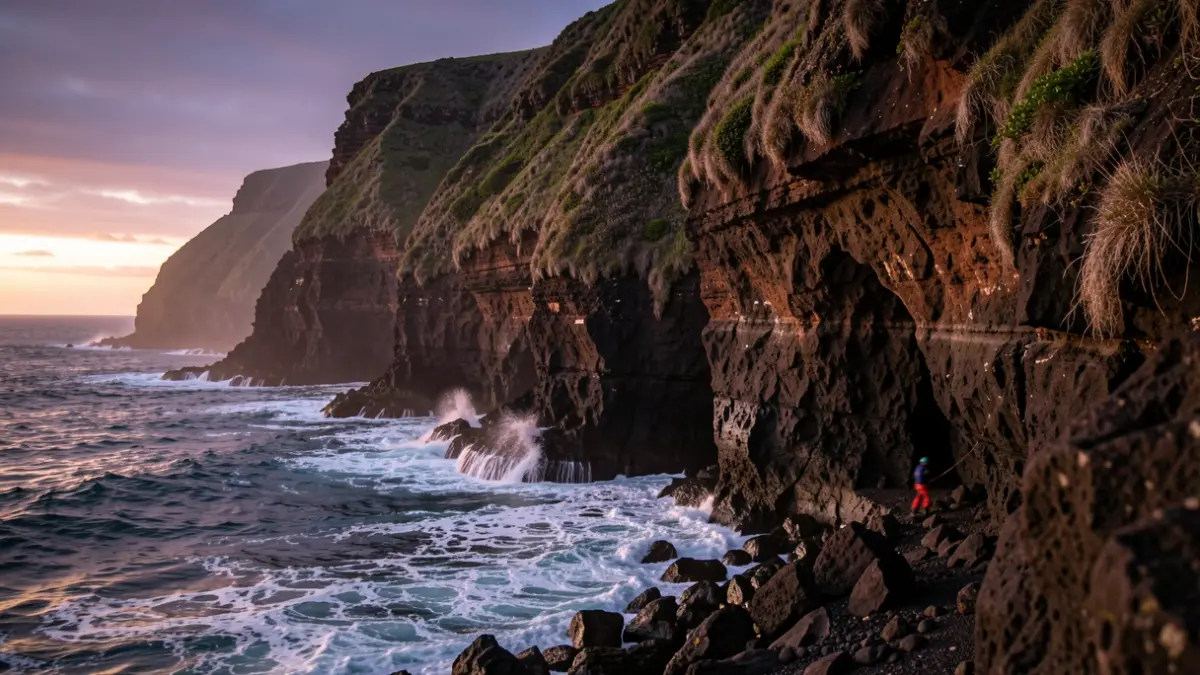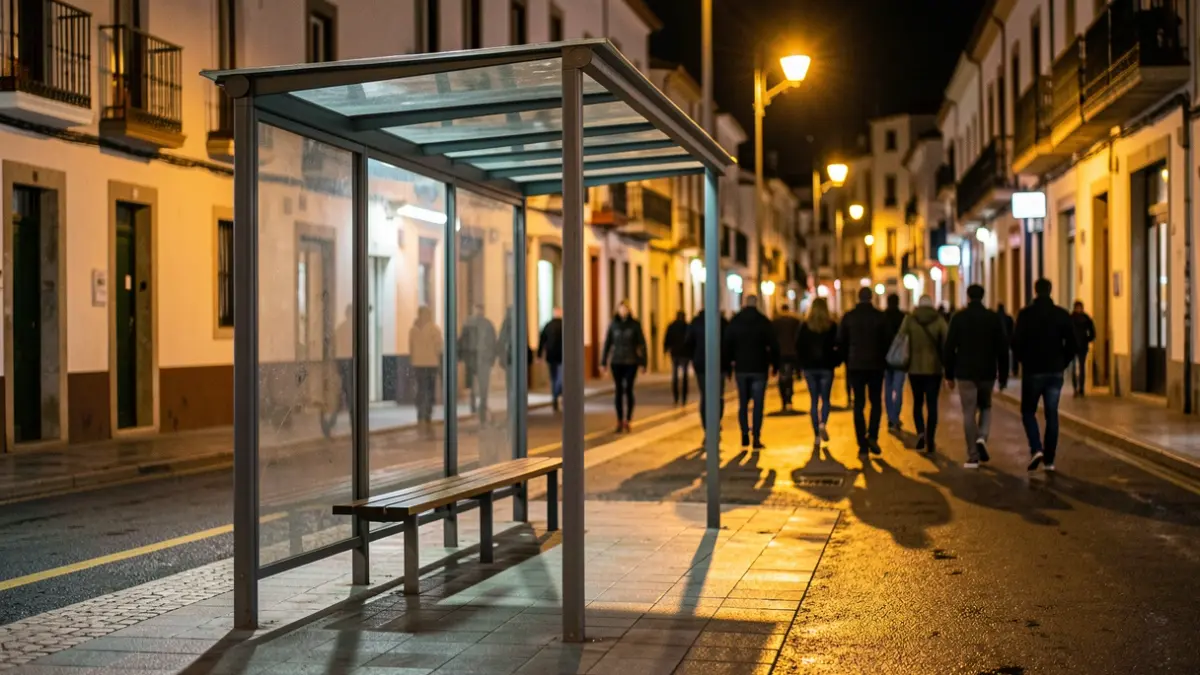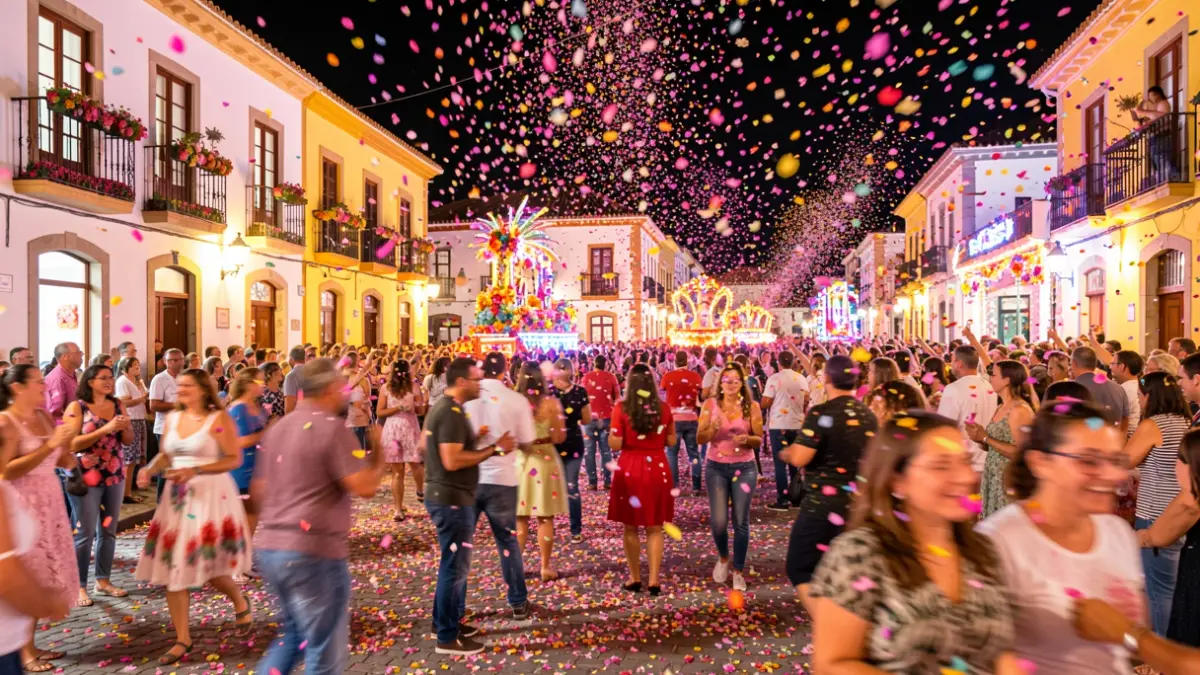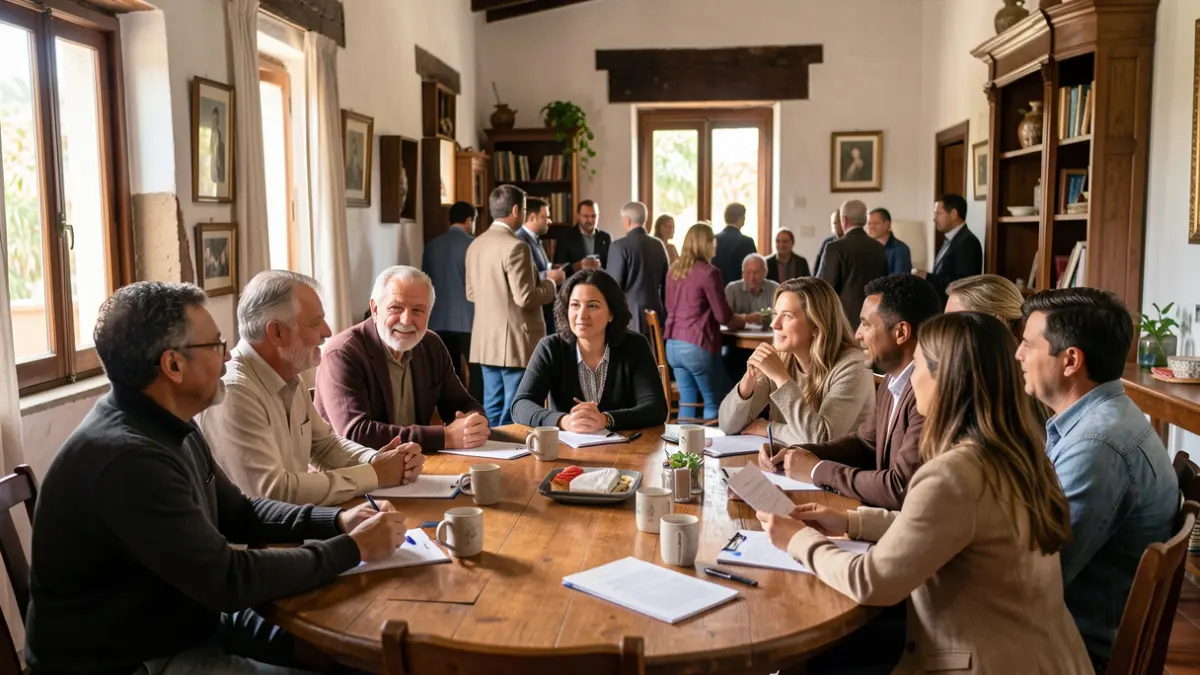
The Cultural Hall of Cultural Tourism of the University of La Laguna and the Association for the Safeguarding of Heritage of Villa de Mazo (Ancestros), together with the City Council of Villa de Mazo, have developed in this municipality the training “Heritage Community. What matters to us, transforms and connects us.” Carried out within the framework of the Camino Viejo project, it featured the participation of Ángel Portolés Górriz, a cultural manager, who emphasized the importance of “thinking of heritage as a resource and investigating its social use, which makes possible the development of structures for participation as a gear from which to constitute a heritage community”.
During the training, concepts such as cultural heritage, heritage education, heritage community, and heritage dissemination were addressed, based on the experiences of the attendees. A heritage-emotional tour or drift through the historic center of El Pueblo was also conducted, focusing on people, places, and stories, contrasting the breadth of heritage beyond its usual classification in monumental assets.
The course focused on valuing emotional heritage derived from personal experiences, everyday objects, elements linked to nature, memorable moments, or family legacies. From this broader perspective, strategies were defined for forming communities that appreciate, care for, and disseminate their local heritage resources, strengthening human relationships and social coexistence, and contributing to the viability of many localities threatened by depopulation.
The work of the participants highlighted a central idea: heritage is not only understood as a set of inherited material or immaterial assets, but as that which connects us with the course of our lives, with inhabited places, and with the shared memory of a community. The desire to revive what has been lost, to care for in order to tell, and to transmit what has been received in better conditions to new generations strongly emerged. Common challenges were also identified, such as recognizing, conserving, disseminating, and defending heritage against abandonment, destruction, or disrespectful uses.
The participants, from different parts of La Palma, reflected a deeply community-oriented vision: heritage must be known, lived, felt, and shared, becoming a lever to strengthen coexistence, education, co-responsibility, and collective pride. It is understood that it can make a valuable contribution to community development processes at the local level, serving as a strategic resource to face challenges such as the demographic challenge in particularly vulnerable rural areas.
The course also reaffirmed that heritage conservation should not be exclusively an institutional task; it is also a personal and collective responsibility, leading to its knowledge, respect, care, denunciation of deterioration, and active incorporation into the daily lives of individuals, groups, organizations, and communities. This was reinforced by shared examples and references to the Camino Viejo project, underway in Villa de Mazo since late 2022 with the participation of the ULL, the City Council, the Cabildo de La Palma and its Biosphere Reserve, educational centers, the Garehagua Occupational Center, and the Nuevo Surco Association.
The training was led by Professor Vicente Zapata, head of the Cultural Hall of Cultural Tourism, who expressed satisfaction with the joint initiative that “connects the ULL with the associative and institutional fabric of Villa de Mazo.” During November, the 21st edition of its Seminar on thematic hiking, heritage valorization, and local development will also take place there, along with a new Autumn University course. For Zapata, “trainings like this demonstrate our University's commitment to its statutory objectives, especially those demanding interaction with social entities like ANCESTROS to contribute to their strengthening”.