The company Cúrcuma, based in Tacoronte, will complete the restoration of a painting that has been hidden in the Parliament of Canarias for decades within four months. This oil painting, dated 1906, predated by two decades the biprovincial status of Canarias, which was established in 1927.
The artwork, attributed to a renowned painter from La Palma, was covered at some point during the First Legislature, although the exact reasons for its concealment remain unknown. There is no documentary or photographic record of the canvas, but oral tradition has kept its existence alive.
The decision to restore the piece stems from a request made in 2019 by the Technical Unit of Historical Heritage of the Cabildo de Tenerife. This request sought the recovery of the third canvas to restore a unified discourse to the noble hall and highlight the work of a prestigious Canarian artist.
The oil on canvas, adhered to the wall, measures 252 by 173 centimeters and was covered with a tapestry in the 1980s. The restoration, which began two years ago and involved an initial outlay of 7,284 euros, includes the removal of four layers of paint and the official tapestry that covered it. The second and final phase of the work will conclude in the next four months.
“"This work is part of the history of the Chamber, and its recovery will allow us to return an essential element of its identity to the hemicycle."
The materials applied in this second phase will be specific for Heritage interventions, given that the architectural structure of the Parliament is a Site of Cultural Interest (BIC). A report from the Royal Academy of Fine Arts of San Miguel Arcángel recognizes that the paintings attached to the wall with concrete are "an indissoluble part of the building".
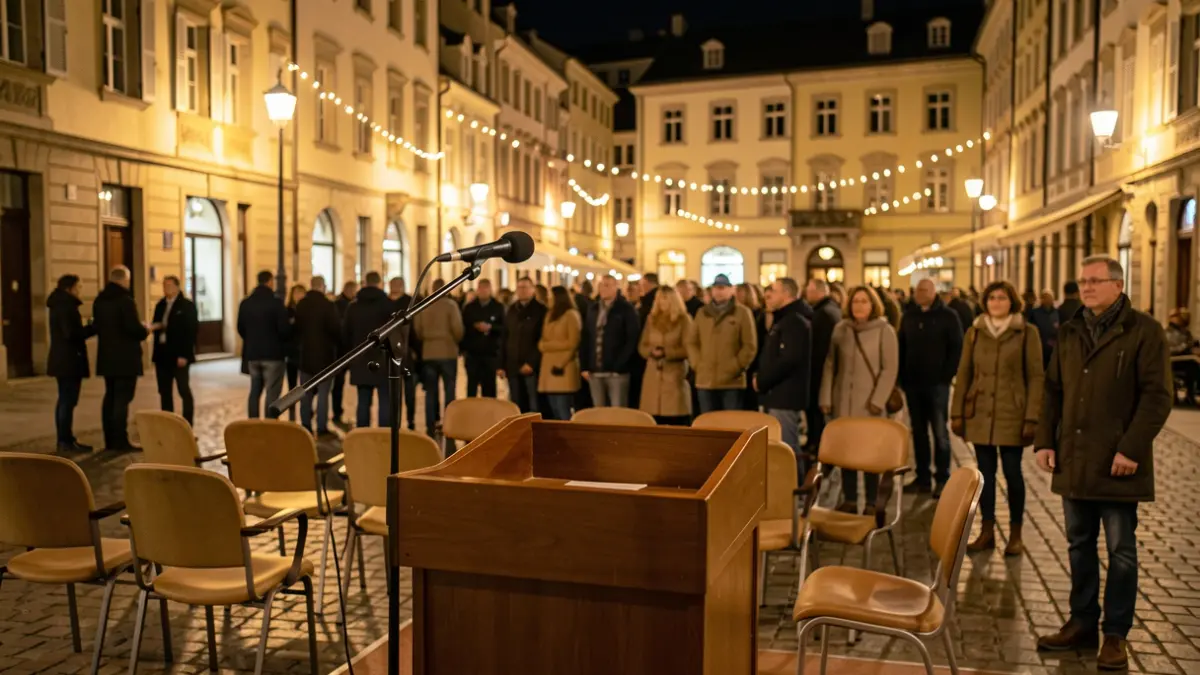
The recovery of this artwork will change the appearance of the plenary hall, as the new pictorial piece will preside over the hemicycle, replacing the tapestry that concealed it for the past four decades.