Moisés Simancas, Professor of Human Geography at the University of La Laguna, believes that social discontent in the Canary Islands regarding the current tourism model does not constitute "tourismphobia", but rather a "rejection of tourist use of the territory without limits, without defining certain thresholds".
Simancas indicates that elements directly or indirectly linked to tourism are generating tensions, mainly due to the lack of established planning limits. He cites the growth of holiday rentals as an example, which impacts housing shortages and drives up prices, leading to residents being "expelled" from their areas.
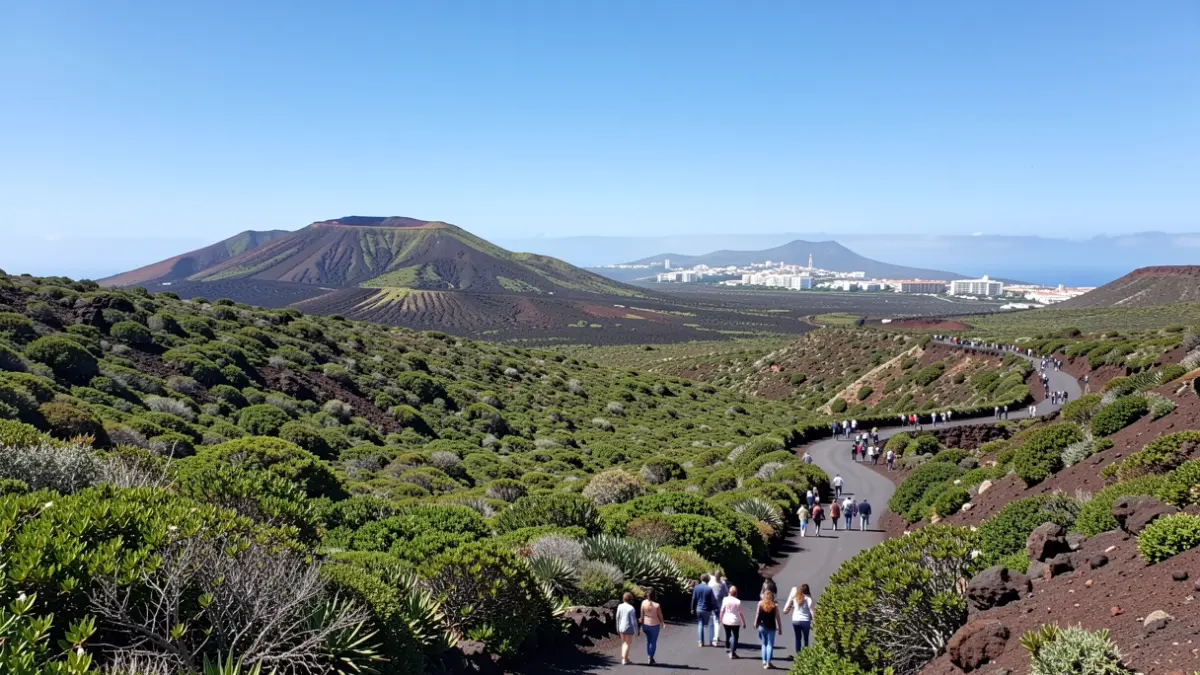
To counteract this discontent and ensure a profitable and sustainable tourism model, the expert emphasizes the need to "make decisions, in some cases very radical and brave", especially regarding the use of natural spaces and protected areas. He proposes establishing "quotas" and respecting the "carrying capacity" of these sensitive environments.
The professor also highlights the evolution of the tourist profile, who increasingly values "good sensations and emotions", seeking to be "protagonists" of their holidays through active experiences integrated into the territory. This drives the creation of new experiences that generate "good memories".
These strategies are applied in workshops where tourist experiences linked to the visitor's profile are designed. One mentioned example is the combination of whale watching with introductory diving and astronomical observation, aiming to generate emotions in the tourist.
Simancas explains that the diversification of the tourist profile, with a growing percentage of visitors who wish to "explore the island" (around 50% in Tenerife), allows for greater market segmentation and is a "success of the Canary Islands model" that should be leveraged.
This phenomenon, known as the "tourism multiplier effect", promotes the integration of the tourism product into the environment, generates more employment by requiring new experiences, and increases per-tourist spending, benefiting the quality of life for the resident population.
The Canary Islands, according to Simancas, is a model that "continuously incorporates innovations and trends in the world of tourism", applying new practices in diversification, activities, and qualification. The workshop strategy aims to create "cluster tourism packages" and "a whole network of actors", recognizing the importance of everyone involved, from the taxi driver to restaurant staff.