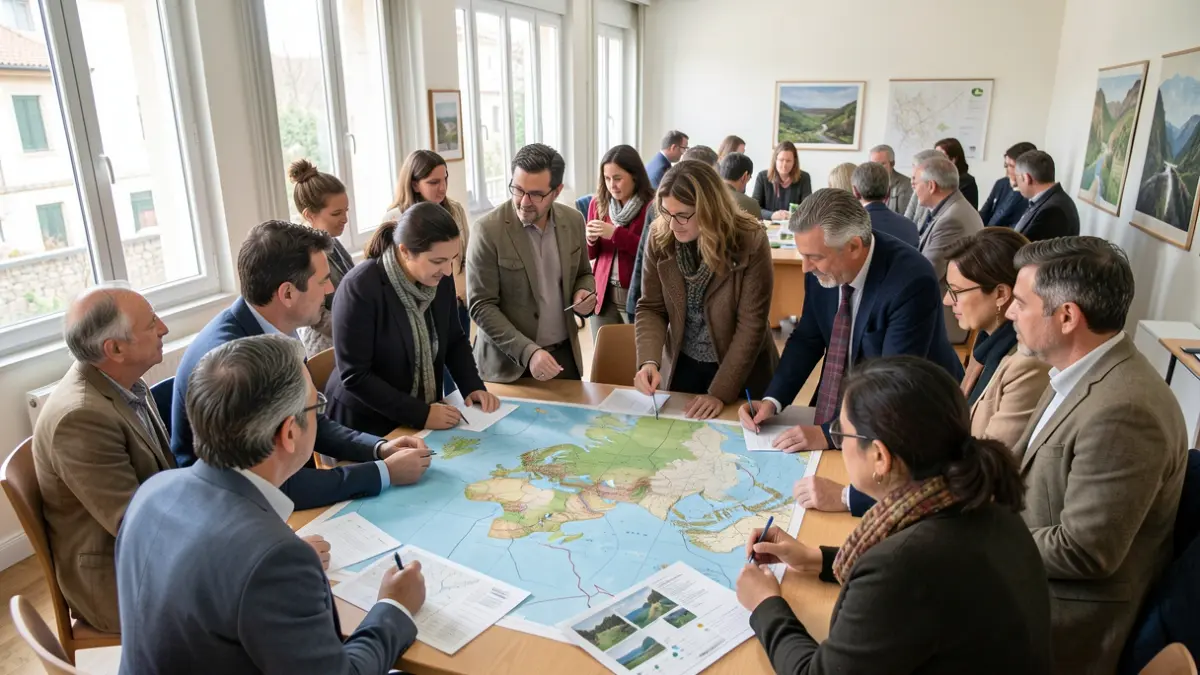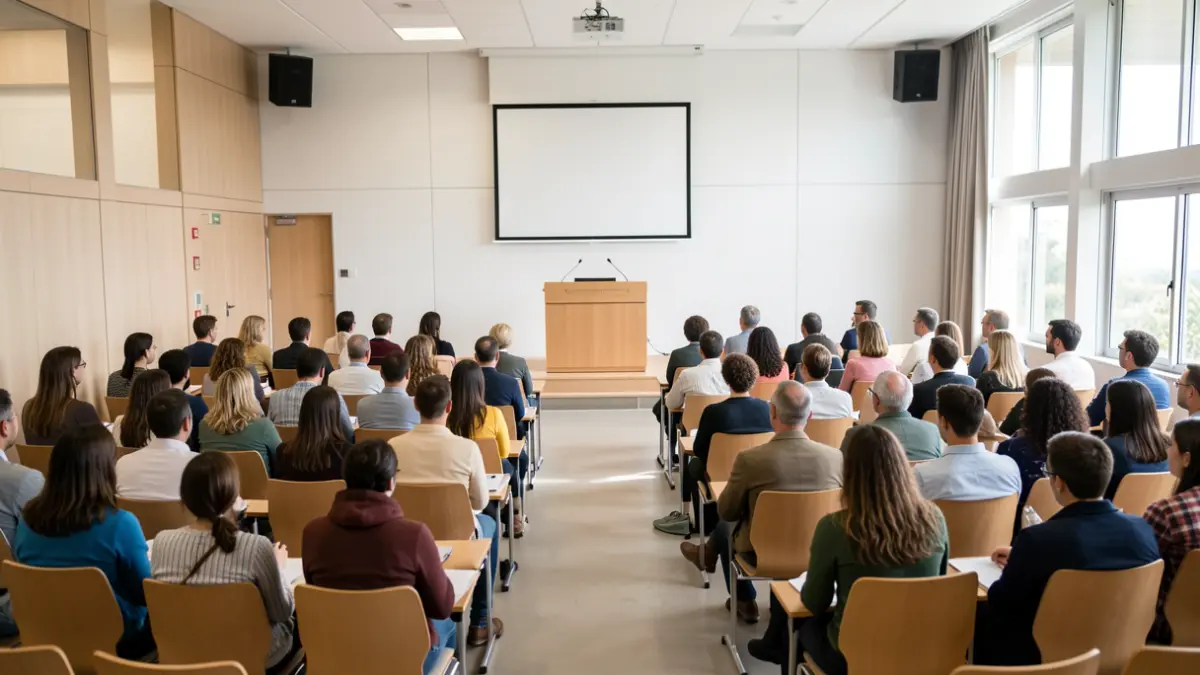
The Faculty of Economics, Business and Tourism at the University of La Laguna was the venue for a workshop focused on 'Strategic Design of the Research Career: Purpose, Balance, and Impact'. The session was led by Sofía Louise Martínez-Martínez, a professor and researcher from the University of Málaga, and was attended by over 20 people.
The activity, jointly organized by the host center and the DISA Foundation Chair of Young Entrepreneurs, was part of Conecta Campus Guajara. It was specifically aimed at students interested in research careers, doctoral candidates, and young researchers. The faculty's dean, Inés Ruiz, introduced the session, whose main objective was to help participants adopt a more conscious and strategic approach to their professional development, moving beyond a view focused solely on accumulating merits.
To encourage participation, the workshop included a speed networking activity in small groups. This allowed for sharing the diversity of trajectories, interests, and experiences during the doctoral stage, as well as addressing common challenges such as academic rejections, changes in research lines, or imposter syndrome.
The content was structured around three key dimensions: purpose, balance, and impact. In the purpose block, the importance of building a long-term career vision, aligning doctoral work with personal values and goals, and understanding available professional paths after the doctorate was highlighted. The session emphasized that there is no single valid path and that doctoral training can lead to both academic careers and other professional fields, including business, public institutions, or entrepreneurship. Ten recommendations were also presented to strategically guide this stage.
The balance block addressed the sustainability of academic work, managing limited resources such as time, attention, and energy. Common time management pitfalls in research were analyzed, such as working solely under deadline pressure, confusing being busy with being productive, accepting too many tasks, perfectionism, distractions, lack of defined goals, or fear of missing opportunities. Practical strategies based on prioritization, setting concrete objectives, and progressively building sustainable habits were proposed.
Finally, the impact block focused on maximizing the academic, social, and professional value of research. Topics covered included scientific dissemination, visibility, personal branding, developing collaborative networks, and early leadership and teamwork skills. Overall, the workshop invited participants to view a research career as a process that should be intentionally designed, combining ambition and excellence with well-being, personal coherence, and the capacity to generate impact.