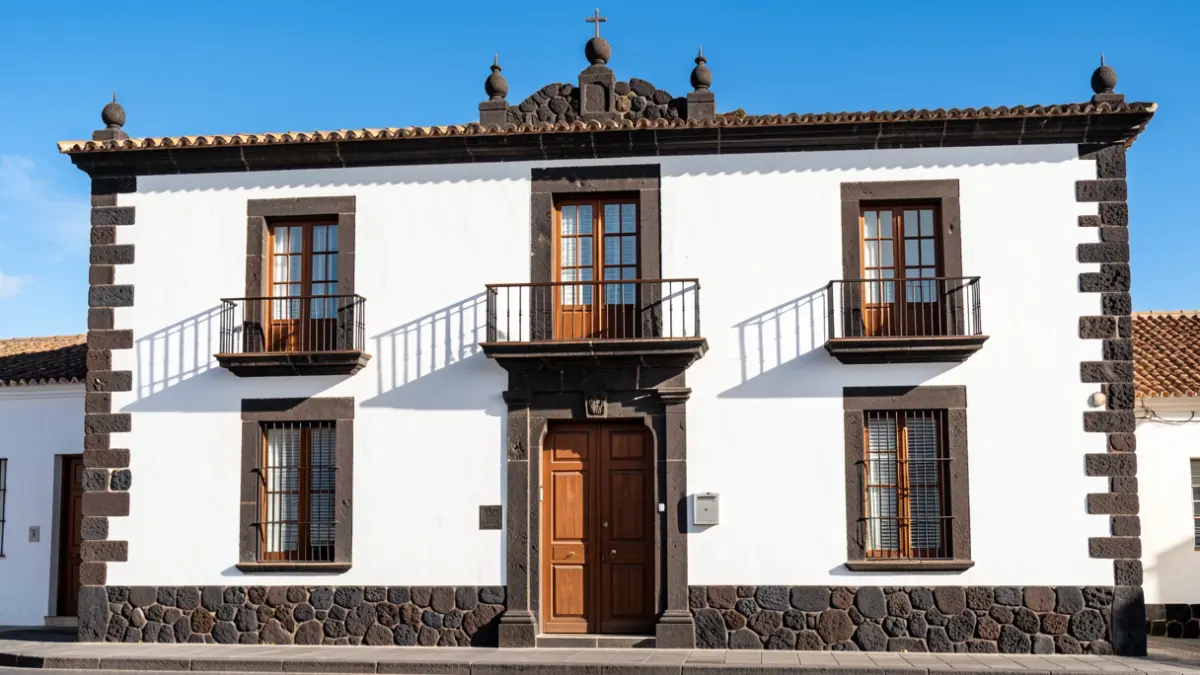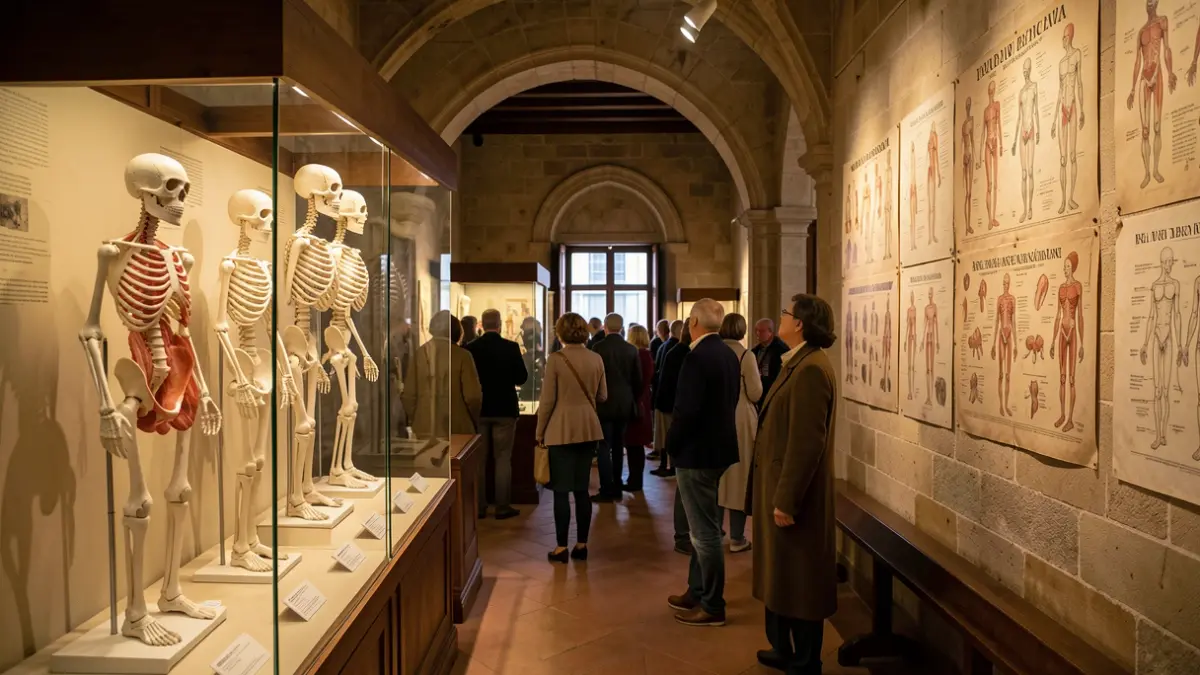
The IES Pérez Galdós, located in Las Palmas de Gran Canaria, preserves a human skeleton in its museum. Beyond the surrounding legends, its origin lies in its use as teaching material. The remains arrived at the educational center between 1900 and 1936, provided by the Ministry of Public Instruction, and were used for teaching biology and anatomy.
Over time, various theories emerged about the origin of the bones, including speculation that they belonged to a nun. However, a group of high school students conducted research, published in 2024, using scientific methods to debunk these rumors and determine the individual's sex and age.
The center's director, Vicente Ramírez Domínguez, explains that despite the skeleton having lost some parts like a hand, teeth, and ribs, it is preserved with "guarantees of conservation and respect." The student research determined the remains belonged to a man between 30 and 50 years old, with results corroborated by the Canary Museum.
Initially conceived as teaching material, the skeleton became part of the biology laboratory in the 1980s when artificial models began to be distributed. It was eventually integrated into the institute's museum, contextualized alongside other anatomical resources. The center aims to conduct genetic and paleopathology studies to learn more details about its history and cause of death.
Professor José Esteban Martín Culebras notes that no specific acquisition documents exist, but assures that its procurement at the time could not have resulted from looting or desecration, as legislation did not permit it and many bodies were donated to science. Historical Institutes like IES Cabrera Pinto in La Laguna or San Isidro in Madrid possess similar specimens.
The debate on exhibiting human remains is ongoing, but the center advocates for preserving its heritage, managing it with respect and appropriate contextualization, as stated by Ramírez.