High temperatures, lack of kitchen hygiene, and improper food handling promote the proliferation of microorganisms responsible for numerous foodborne illnesses, many of which occur at home. The Directorate General of Public Health of the Canary Islands Health Service (SCS) reminds the public of the importance of prevention, both in preparing food at home and when consuming it in dining establishments.
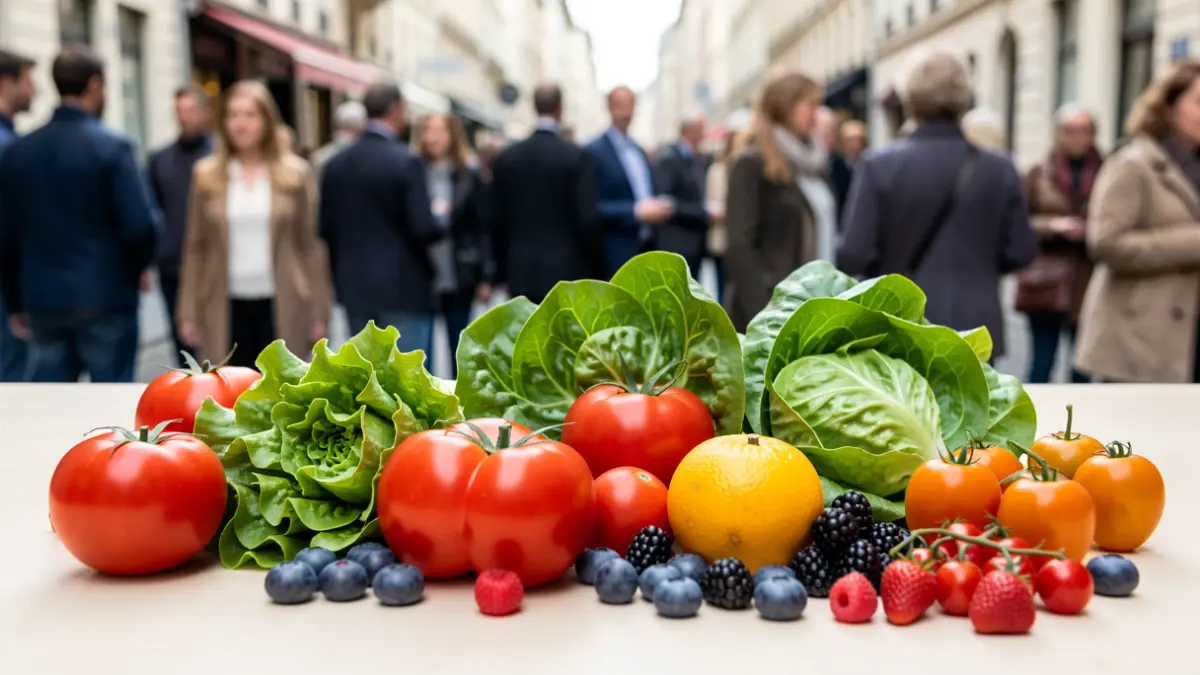
During summer, the body benefits from lighter and more hydrating meals. It is recommended to consume more seasonal fruits and vegetables, which are rich in water, essential nutrients, and antioxidants, helping to satisfy appetite and protect health. High temperatures and poor hygiene enhance bacterial growth.
The groups at higher risk for foodborne illnesses include elderly individuals, children, young people, pregnant women, and immunocompromised individuals. It is essential to strictly adhere to hygiene measures in food handling, including frequent hand washing, protecting wounds, cleaning utensils, and preventing contact between raw and cooked foods.
Sufficient cooking heat is crucial for destroying germs. Raw or undercooked poultry and minced meats are particularly dangerous. To prevent the parasite anisakis in fish, it is recommended to gut it promptly, cook it above 60 degrees Celsius, or freeze it at -20º C for at least 24 hours if consumed raw.
Prepared foods should not be left at room temperature. It is essential to keep them hot or store them cold. Cooked foods must be cooled rapidly and refrigerated. Meats, offal, cured meats, fresh cheeses, sauces, milk and dairy products, desserts with cream or eggs, salads, potato salads, and ready-to-eat meals should always be kept refrigerated.
Cooked foods stored cold must be reheated quickly to at least 65 degrees Celsius internally. Cold foods should be consumed without delay after removal from the refrigerator. Special attention should be paid to raw or lightly cooked foods, such as vegetables (lettuce, tomato), which should be disinfected with food-grade bleach before rinsing with running water.
When handling fresh eggs, avoid those with dirty or cracked shells and store them in the refrigerator. Do not wash the eggshell and prevent raw eggs from contacting other foods. Do not crack eggs on the edge of a container or separate yolks from whites using the shell. Cook egg-based dishes quickly and do not use utensils used for raw eggs to handle cooked food.
It is important to prevent the presence of insects and rodents by keeping kitchens clean and free of attractants. Pets should not be in kitchens. Only use water fit for human consumption, either from the public network or potable water, or disinfected if there are doubts about its potability.
When visiting hospitality establishments, observe the cleanliness of the premises and staff. Food should be presented in refrigerated display cases. Staff must wear clean work clothing and hair protection. Tongs are always used to handle food, and staff hands do not touch the parts of glasses or cutlery that will contact the consumer's mouth. Foods stored at room temperature without protection or refrigerated display should be rejected, as should establishments or staff that are not clean and hygienic.