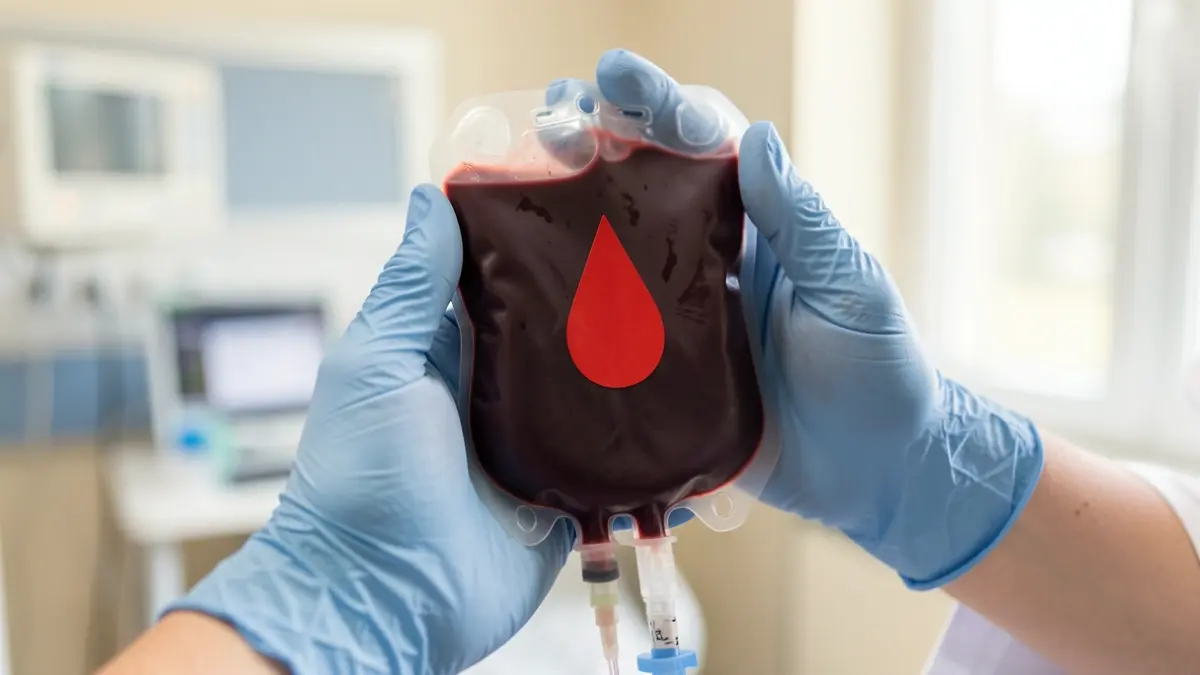
The Ministry of Health of the Government of the Canary Islands has reported that the archipelago added 536 additional donations. This growth is not only seen in the overall figures but also in hospital activity, which saw a 5.22% rise during the first five months of the year.
These data were analyzed at the II Transfusion Committee of the Canary Islands Health Service (SCS), held at the Nuestra Señora de Guadalupe Hospital in La Gomera. The meeting, organized by the General Directorate of Blood Donation and Hemotherapy on the occasion of World Blood Donor Day, brought together department heads and professionals from the public hospital transfusion services.
During the meeting, the transfusion activity for the first half of 2026 was reviewed, and future work lines were outlined. The Director General of Blood Donation and Hemotherapy, Francisco Rodríguez, presented a collaboration agreement with the SCS hospitals to advance towards an integrated Canary Transfusion Network, seeking common procedures and a greater response capacity.
Another key point was the analysis of the European Regulation on Substances of Human Origin (SOHO), which aims to enhance the quality, safety, and traceability of blood components. The implications of this regulation for the Canary Islands and the necessary adaptation measures were discussed.
The SCS also addressed the implementation of a model to improve transfusion practice and patient health outcomes through protocol review and the appropriate use of blood components.
The meeting included recognition for two distinguished professionals: hematologist Luis Marsá-Vilá for his career at the Canary Transfusion Center and the Nuestra Señora de Guadalupe Hospital, and Pablo Pedro Rodríguez, Nursing Supervisor and head of laboratory services at the La Gomera hospital, for his contribution to transfusion activity development in La Gomera.
The General Directorate of Blood Donation and Hemotherapy reminds the public of the importance of regular blood donations, as blood components have a limited shelf life and hospital needs are constant. Blood is essential for surgical interventions, oncological treatments, emergencies, and care for patients with various diseases.