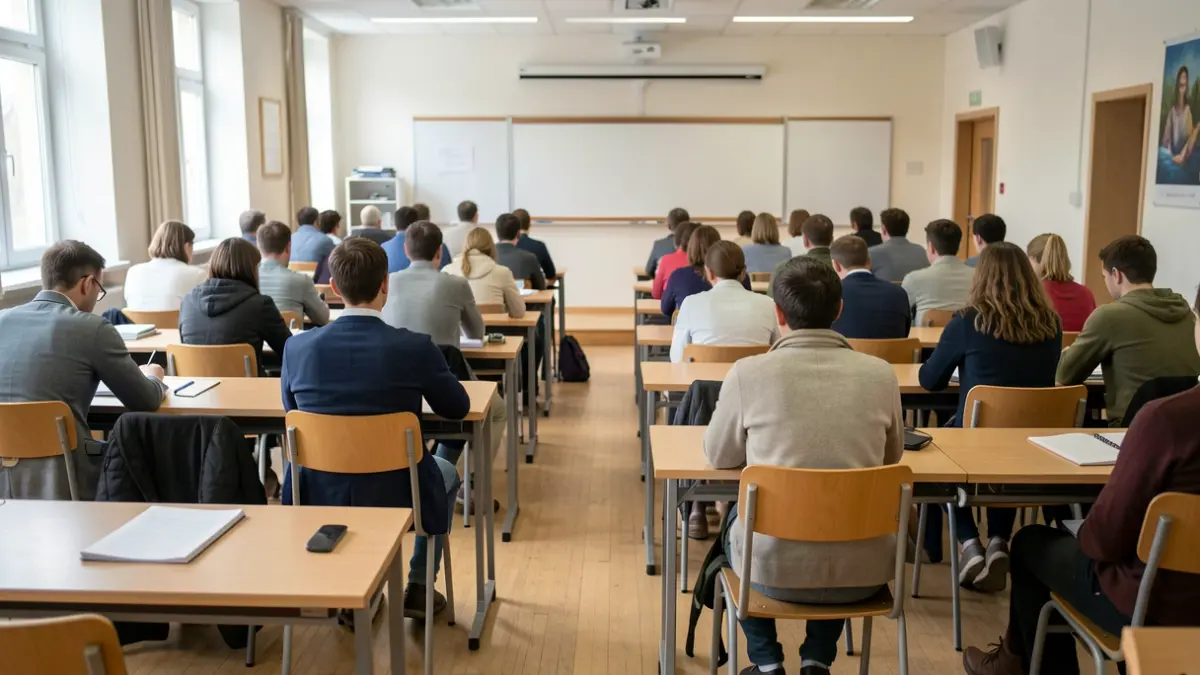
Since 2022, the Higher Polytechnic School of Engineering at the University of La Laguna (ULL) has recorded radon gas levels exceeding 300 Bq/m3 in several ground-floor classrooms, surpassing the legal health limit. Last year, these classrooms were closed, affecting approximately one thousand students.
Students have been relocated to the so-called "Aulas de Caja Canarias," study rooms that are ill-suited for teaching. According to the Student Delegation of Computer Engineering, the arrangement of tables and chairs forces half the students to face away from the professor, and visibility of the board or slides is a constant issue. The university has installed televisions to try and mitigate this situation.
The slowness and lack of transparency in managing the problem are the students' main criticisms. They claim the University has not officially communicated the situation or the timelines for returning to the classrooms. Despite formal complaints submitted in writing to several Vice-Rectorates since last July, the situation persists, causing frustration and concern for teaching quality and health.
The solution implemented by the University has been the installation of a forced ventilation system in one of the affected classrooms. However, engineering students consider this measure "trivial and deficient," proposing more efficient alternatives such as completely replacing the floor to seal the gas passage. They warn that forced ventilation is a "cheap" and impractical solution, also generating noise.
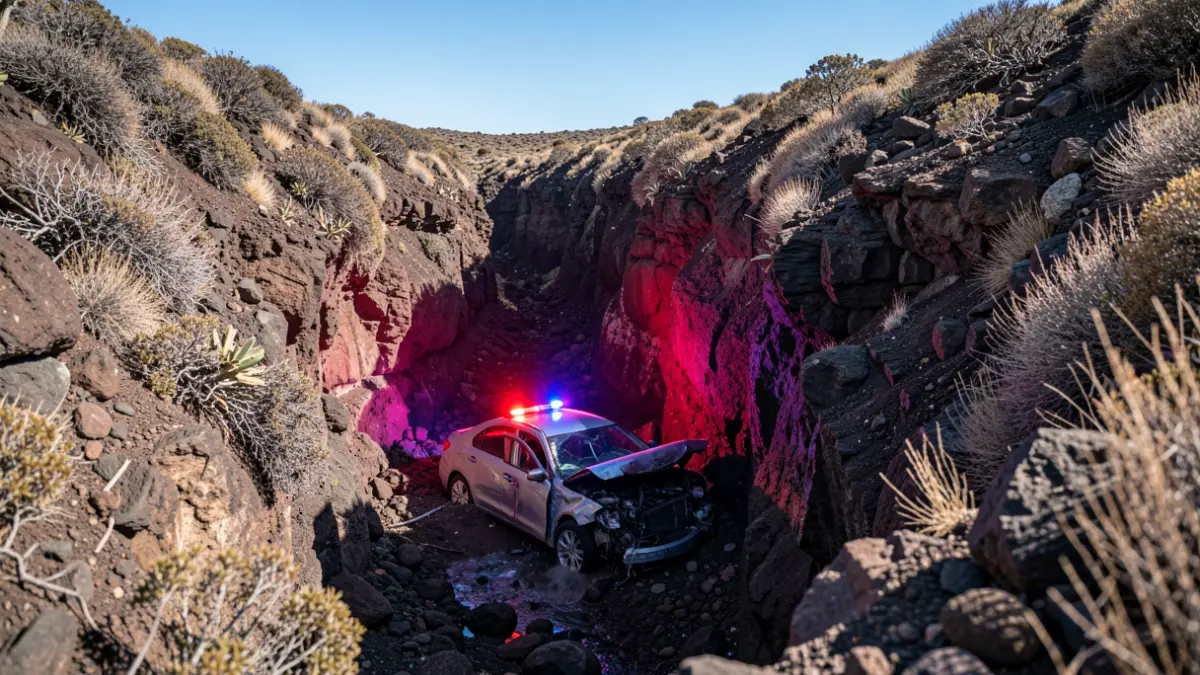
Radon gas, a radioactive, odorless, and colorless element, originates naturally from the decay of uranium in soil and rocks. Its accumulation in enclosed spaces increases the risk of lung cancer. Given the archipelago's volcanic nature, radon presence is a concern, and Royal Decree 1029/2022 establishes the reference limit.
The Management of the University of La Laguna, through its head Lidia Pereira, defends the institution's actions, describing them as "prompt, immediate, and transparent." Pereira asserts that students were informed from the outset and that technical measurements require a specific period. She denies a lack of information, stating that the measured spaces have signage with QR codes linking to the responsible environmental physics laboratory.
Regarding the forced ventilation solution, Management maintains that technical decisions rest with experts and that the option of raising the floor "is not viable at this time." Pereira guarantees that students and professors have not been at risk and that the University has acted in preventive health. However, she offers no certainty about the return date to the classrooms, pending the conclusion of the measurement period.