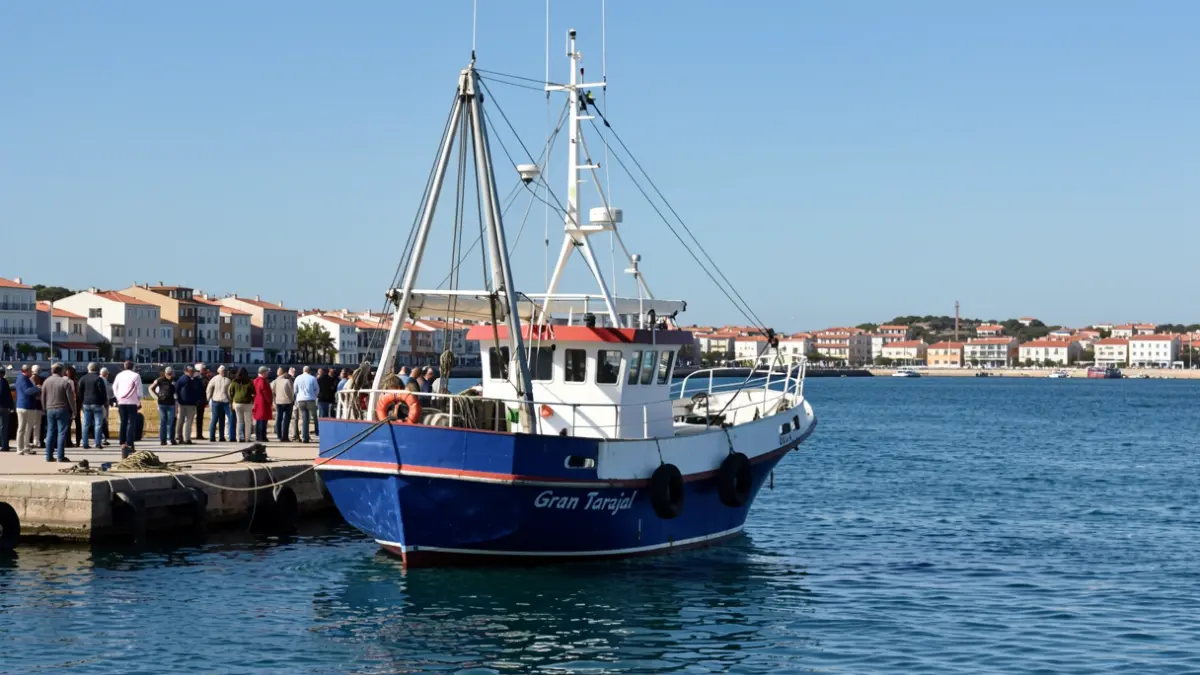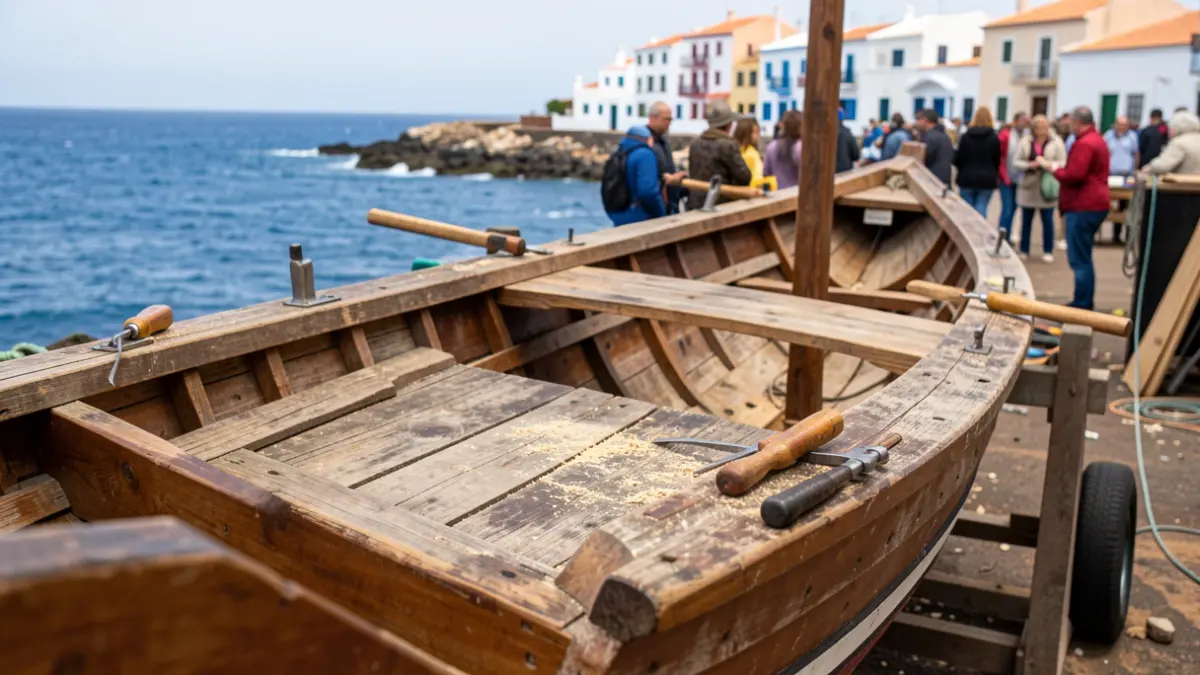
The vessel, known as 'Nauja' (meaning seagull in Danish), is nearly a century old and served as a patrol boat in Greenlandic waters during World War II. It is currently located at the Marina de Arrecife, where local shipwright Santi González is overseeing the restoration work.
According to Santiago González, the boat initially arrived in Fuerteventura as a tourist vessel before being beached in Arrecife. During a maritime inspection, defects were found, necessitating a complete restoration. A significant challenge on the island is sourcing large timbers, measuring seven, ten, or twelve meters in length and seven to ten centimeters in thickness, required for the boat's planking and ribs.
A full restoration of a boat of this size typically requires approximately 18 months of exclusive dedication from three full-time carpenters.
The techniques employed in the restoration are the traditional methods of Canarian shipbuilding, passed down through generations. Santi, who learned the craft from his father and grandfather, notes that while modern machinery is sometimes used, the fundamental construction principles remain rooted in age-old practices.
Santi González shares that his grandfather was a shipwright and also worked on salt mills. His father continued to learn and refine the trade, eventually establishing his own carpentry workshop with employees at a young age. In those days, Arrecife, particularly areas like the Charco de San Ginés, was home to many shipwrights.
A common phrase in his father's workshop was: ‘Duro que es tarde’ (roughly, 'Hurry, it's getting late'). This reflected the urgency of the fishing boat owners in Arrecife, who needed their vessels quickly to go out to sea.
Santi González represents one of the last practitioners of this maritime-linked profession with a distinct Canarian flavor, preserving a vital island tradition.