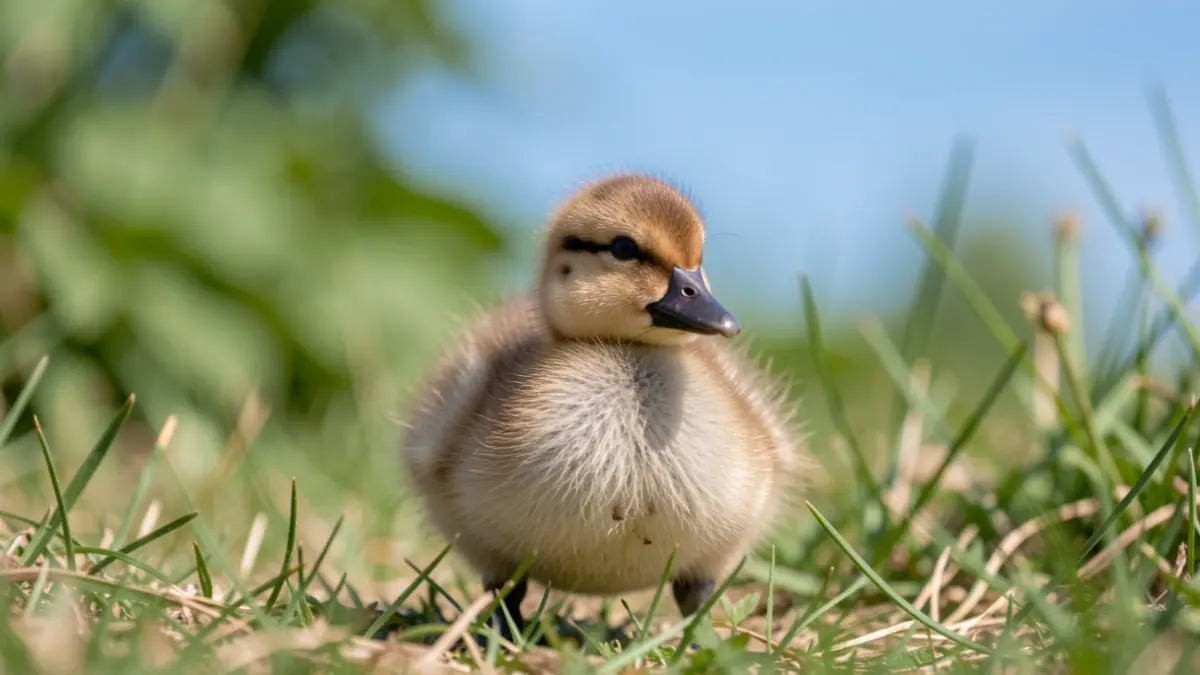
Four specimens of the Ruddy Shelduck (Tadorna ferrugínea) have been released in Fuerteventura by the Cabildo, following an extensive breeding and rehabilitation process at the Wildlife Recovery Center of the La Oliva Biological Station. These birds were admitted to the center as ducklings, after being collected by citizens—an action that, while well-intentioned, is often detrimental to the species.
The Department stresses that collecting apparently lone ducklings is a common mistake. Parents are usually nearby, watching or foraging, and their removal significantly hinders subsequent reintroduction. Center staff face the challenge of teaching them self-sufficiency, as was the case with these four Ruddy Shelducks, which required extensive work to ensure their survival in the wild.
“"The vital rule in nature is not to intervene directly. In cases of injured wildlife or ducklings at risk, it is crucial to call 112 so they can activate the relevant protocols, without needing to collect the animals."
Wildlife recovery is essential for conserving local biodiversity. The Department of Environment emphasizes the importance of citizen collaboration in wildlife protection and the need to work together to preserve Fuerteventura's natural richness. Hundreds of injured specimens, including birds like the Cory's Shearwater, Yellow-legged Gull, Common Kestrel, and Atlantic Puffin, are admitted annually for care and subsequent release.
The Ruddy Shelduck, a species under special protection in the Spanish Catalog of Threatened Species, is believed to originate from Africa and in Spain nests only in Fuerteventura, Lanzarote, and Gran Canaria. They inhabit ponds and waterlogged areas, nesting among shrubs at a distance from the water.
The president of the Cabildo of Fuerteventura, Lola García, and the Minister of Environment highlight the growing environmental awareness among the population, reinforced by educational actions and preventive measures. It is reminded that respecting existing signage and staying on designated trails is fundamental to providing safe environments for protected species, especially during breeding season.
These good practices help protect fragile habitats and minimize impact on species that use the ground or hard-to-reach areas for reproduction. Further information on best practices in natural environments can be found on the Cabildo's website.