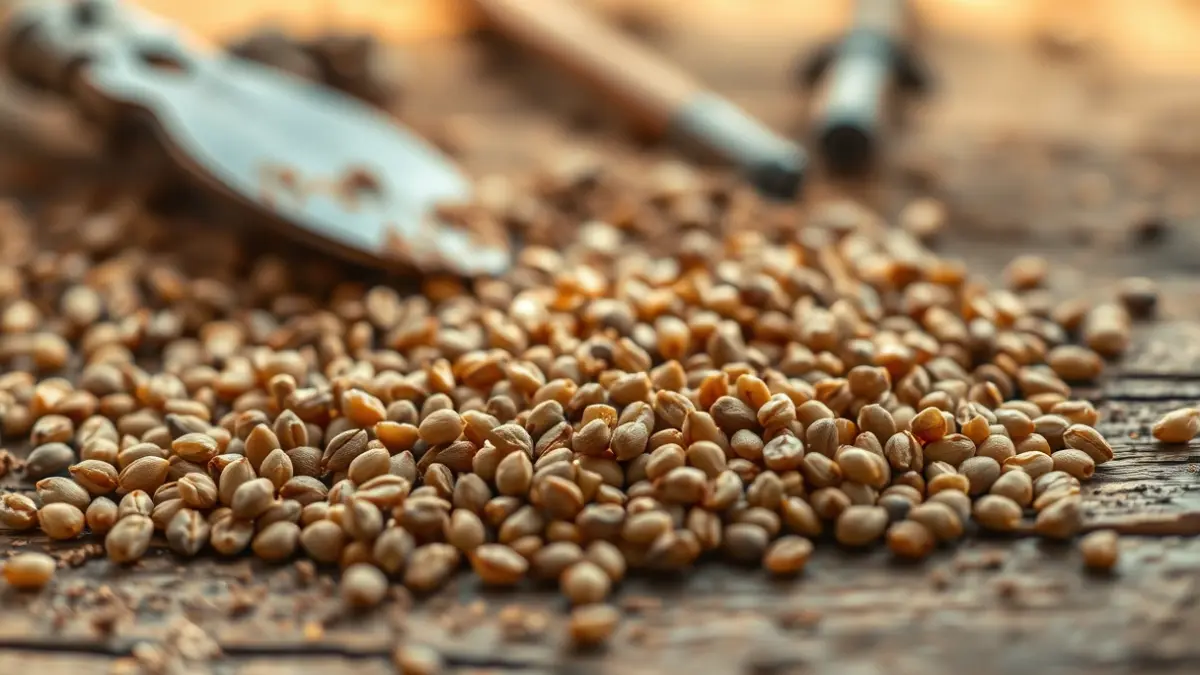
The Majorera lentil, an emblematic crop of Fuerteventura, has been the subject of an in-depth study confirming its ancient origins. Genetic research conducted by the University of Linköping (Sweden) and the University of Las Palmas de Gran Canaria (ULPGC) has shown that this variety is identical to that cultivated by the Majos, the island's ancient aboriginal inhabitants, approximately 2,000 years ago.
“"We should be proud of the Majorera lentil because it is the same one introduced by the aboriginal inhabitants of Fuerteventura (Majos). That is, it is a crop that has been maintained from the first inhabitants of the Canary Islands to the present day, and the lentil most similar to the ancient seeds has been preserved in Fuerteventura."
Geneticists, who analyzed the DNA of peninsular lentils, discovered that these retain between 1% and 3% of the Majorera variety. This finding suggests that, from the 17th and 18th centuries, lentils from Fuerteventura and Lanzarote were exported to the Iberian Peninsula, leaving a lasting genetic footprint. The reputation of these lentils was such that even today, some varieties cultivated in Canada are marketed as Lanzarote type.
In addition to lentils, sediments from the archaeological site of Cueva de Villaverde, in the municipality of La Oliva, have revealed that the Majos also cultivated barley and durum wheat, the latter used to make pasta and couscous. They supplemented their diet by gathering wild plants such as cosco, wild olive (acebuche), romame fruits (hawthorn), and white broom seeds.
The research has also debunked some popular beliefs, such as the presence of date palms or olive trees in pre-European Fuerteventura. Studies indicate that the date palm did not reach North Africa until the Middle Ages, and what has been mistaken for olive trees are actually wild olive seeds. The arrival of Europeans in the 15th century introduced new crops, such as maize, which quickly integrated into the aboriginal diet, being consumed toasted and ground to make gofio, following local culinary traditions.