The author, who previously published two books of short stories and tales, ventures for the first time into the crime novel genre, a format she always wished to explore. The idea for the novel, which had been brewing for years, has evolved into a complex plot that links two eras and two characters: Mario in the past and María in a vaguely defined present.
“"The idea had been with me for years. I always wanted to write a story about a red priest in the midst of the Civil War."
The narrative begins with a murder in Agüimes, where María, a former member of the Mossos d'Esquadra turned librarian, starts an investigation. This quest leads her to unravel a story of revenge born during the Civil War, specifically in Gernika. The author emphasizes the direct connection between past and present in the plot, centered on a young Basque man from Barakaldo who flees during the conflict and adopts a new identity.
A distinctive aspect of Oveja Negra is its temporal structure, which alternates between past and present. The author uses different typographic colors, green for the past and black for the present, to guide the reader through the two narrative lines. The novel's title, Oveja Negra (Black Sheep), symbolizes the protagonists who break with established norms or family traditions, demonstrating courage and transformation in their processes of change.
“"Being a 'black sheep' is often seen as negative, but I believe it's the beginning of finding yourself."
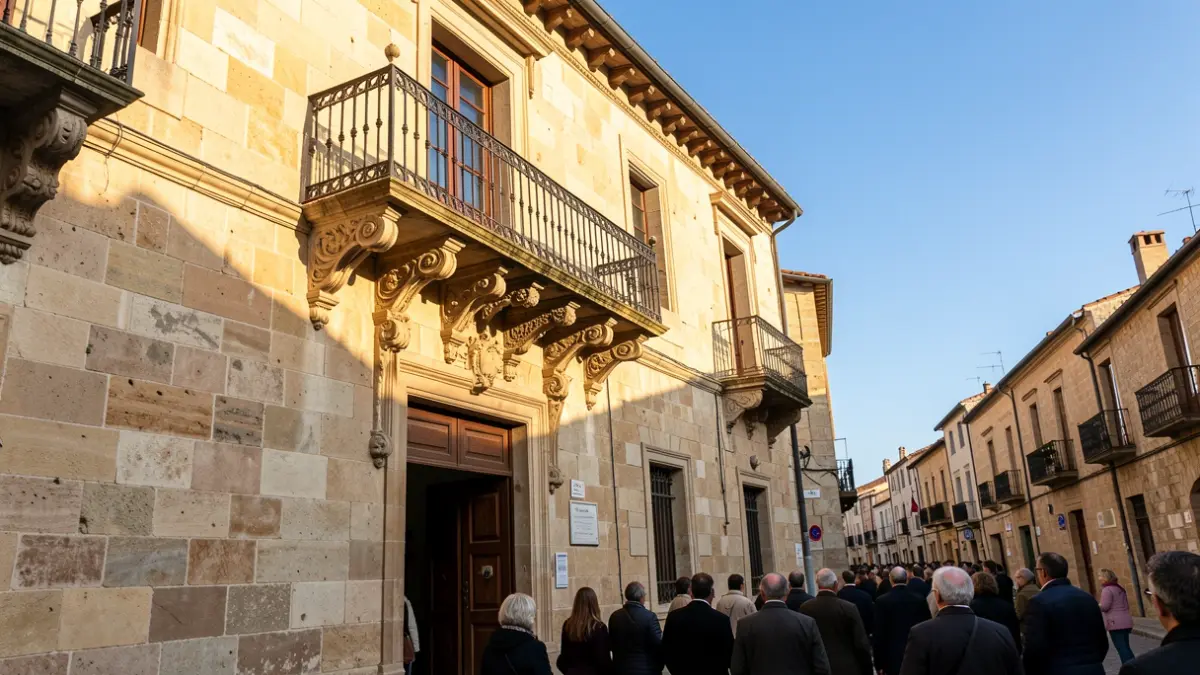
The work is deeply rooted in the local territory, featuring recognizable settings such as the Guayadeque ravine, Playa de Arinaga, and the church of San Sebastián, as well as local traditions that set the pace of the story. Published in March by Editorial Vecindario, the novel has been well-received at its initial presentations, including the Telde Book Fair and the Lasalle de Agüimes Association. The author is already working on a second story, also set in Agüimes and based on a real event.