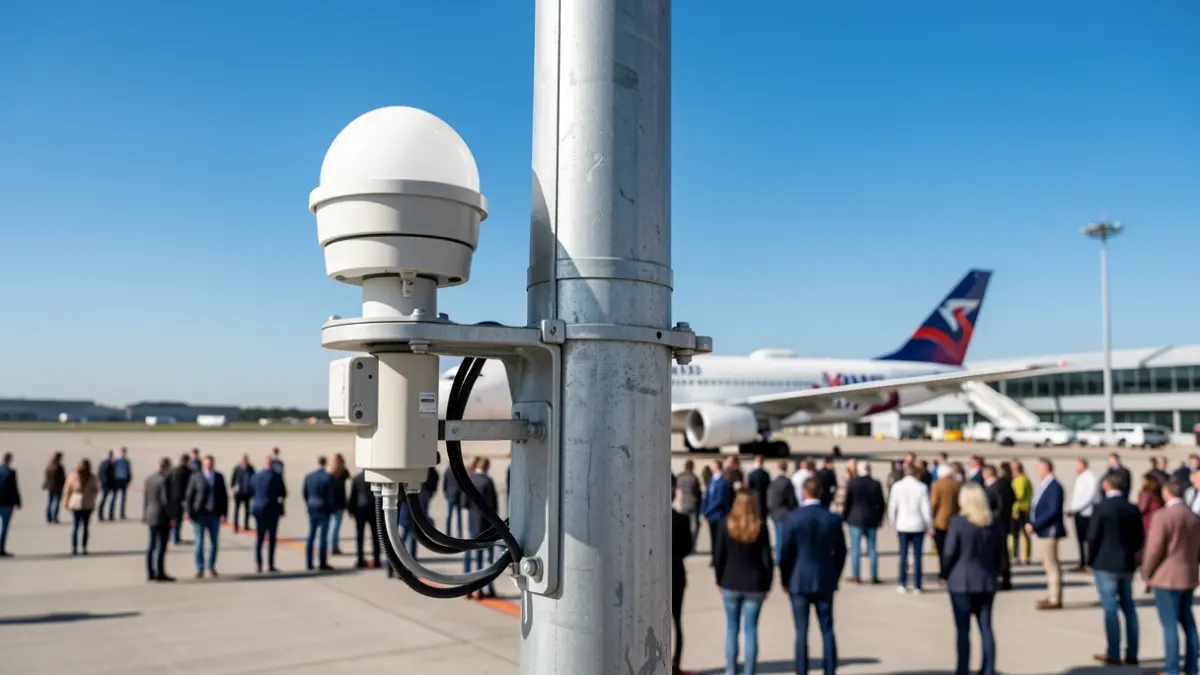
The agency has classified this project as an unavoidable necessity. The current sensors, which use forward-scatter technology, provide inaccurate data during heavy dust events, forcing meteorological staff to manually override the system to prevent incorrect information from reaching users.
The contract aims to install transmissometers, which are absorption-based devices better suited for the specific weather conditions on the island. This measure follows a technical requirement issued by the National Supervisory Authority for Meteorological Services, which is mandatory to maintain the safety standards required for air navigation.
Failure to implement these upgrades could lead to administrative sanctions and jeopardize the reliability of airport operations. While the execution period is set for three months, the logistical complexity of the island location may impact the final completion timeline.