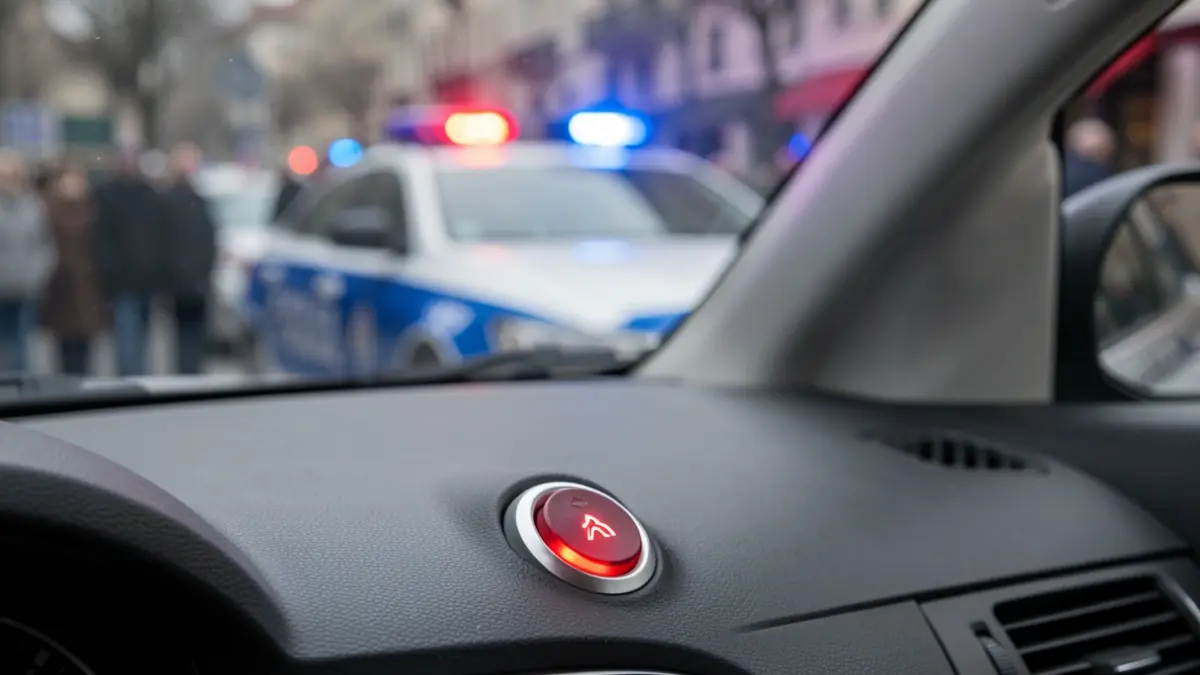
The Cabildo of Gran Canaria has announced the imminent launch of an innovative security system for the island's taxis. This system will enable a panic button installed in the vehicles to connect directly with Local Police headquarters, which will be able to receive real-time images and audio.
This measure aims to expedite responses to emergency situations. By receiving instant information from inside the taxi, officers can assess the situation and act more swiftly, as detailed in an official statement.
The island corporation made this announcement following a coordination meeting with representatives from taxi cooperatives and local police forces. The objective was to resolve doubts regarding the system's implementation and ensure the availability of necessary resources for interconnection.
Currently, taxi cameras record onto internal cards that are kept sealed, complying with data protection regulations. These recordings are frequently requested by law enforcement and courts for crime investigations, with an average of two requests per day.
The panic button connection represents a significant advancement. It will allow Local Police headquarters to access live image and sound, facilitating an immediate assessment of what is happening and the most appropriate response.
The system also includes the possibility for headquarters itself to establish two-way communication with the taxi's interior.
This new phase consolidates the project initiated by the Cabildo to integrate vehicle surveillance systems with municipal security and traffic devices, promoting interoperability.
To date, 1,160 surveillance cameras have been installed in Gran Canaria taxis, thanks to support lines from the Cabildo and collaboration from sector cooperatives.
The island institution is preparing a new call for aid, with a budget of approximately 500,000 euros, to continue expanding these devices. The planned subsidy will be 450 euros per municipal license.
Teodoro Sosa, Minister of Presidency and Sustainable Mobility, emphasized that the Cabildo's goal is to provide the taxi sector and local police forces with the necessary technology for the panic button, ensuring its real-time connection in emergencies, especially for municipalities lacking the required infrastructure.